
Size
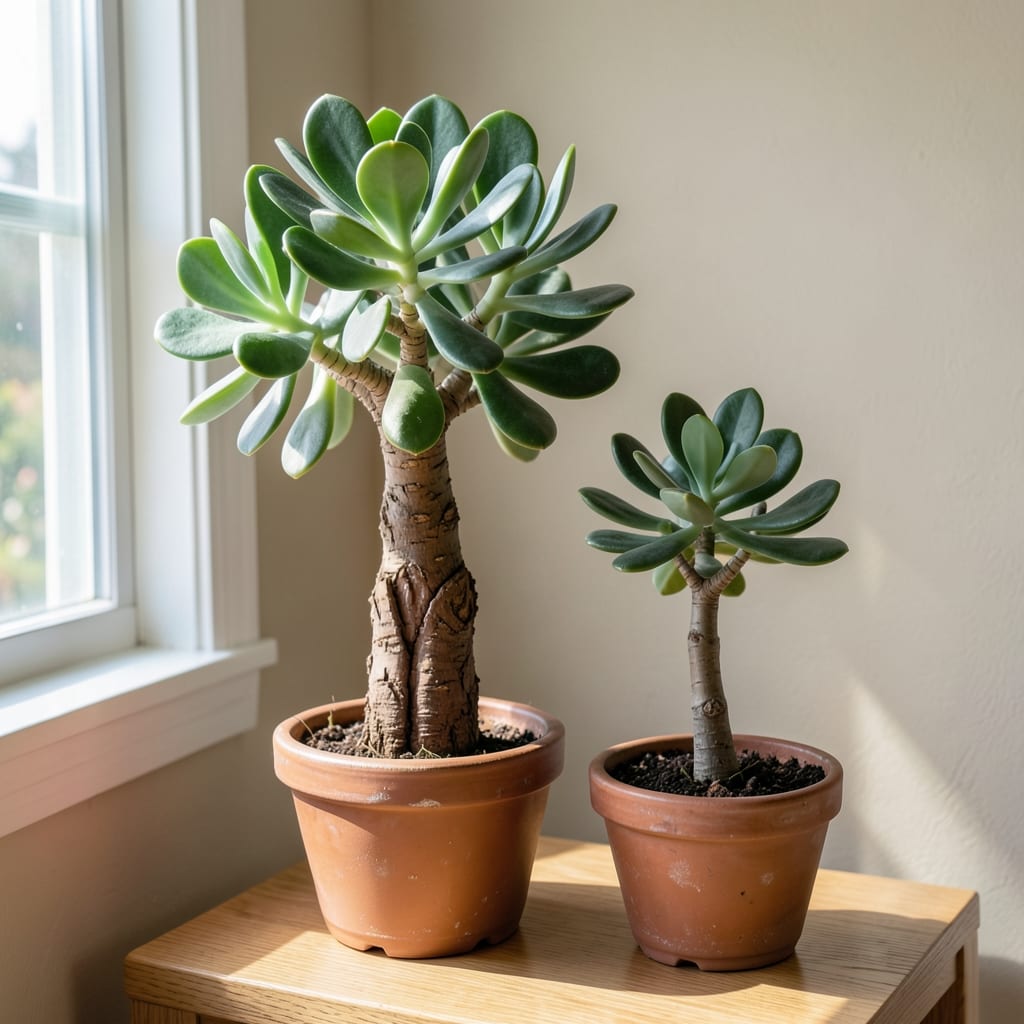
If you're wondering how tall can a jade plant grow, you might be surprised to learn that your cute, compact houseplant could one day transform into a towering indoor tree—yes, really! The height of a jade plant (Crassula ovata) depends entirely on its variety, care, and a little patience, with some reaching 10 feet or more under ideal conditions.
Most jade plants stay small and manageable, typically between 1 and 3 feet, making them perfect for windowsills or shelves. But if you're dreaming of a jungle-like statement plant, certain varieties like the 'Giant Jade' can stretch skyward with the right care—think sunlight, spacious pots, and strategic pruning.
Don’t let misconceptions fool you: indoor growth is possible, but it requires attention to detail. Whether you want a tiny tabletop plant or a floor-filling giant, understanding how sunlight, pruning, and genetics play a role is the key to controlling your jade’s height.
Ready to discover how to nurture your plant toward its full potential? Let’s break down the factors that turn a modest jade into a stunning, towering beauty—no green thumb required!


Jade plant growth heights by variety: from dwarf to tree-like giants
Jade plants (Crassula ovata) are famous for their adaptability, and their mature size can vary dramatically depending on the variety and growing conditions. While most common types stay between 1 to 3 feet tall, some rare varieties can grow into 10-foot-tall bonsai-like trees with proper care. Understanding these differences helps you choose the right plant for your space—whether you want a windowsill companion or a statement indoor tree.
The genetics of your jade plant play the biggest role in its final height. Some varieties, like the dwarf jade, stay compact, while others, such as the Portulacaria afra (a close relative), can stretch toward the ceiling. Even within the same species, sunlight exposure, pruning habits, and pot size can push a plant toward its maximum potential—or keep it small and bushy. Let’s explore the most common varieties and their growth ranges.
📌 Pro Tip: If you’re dreaming of a 10-foot jade, you’ll need a large pot, bright light, and patience—this isn’t a quick process! Most jade plants grow only 1-2 inches per year under ideal conditions. For faster growth, prioritize south-facing windows or a grow light setup.
| Variety | Mature Height | Growth Rate | Best For |
|---|---|---|---|
| Dwarf Jade (Crassula ovata 'Compacta') | 1–1.5 feet | Slow (1–2" per year) | Windowsills, small spaces |
| Standard Jade (Crassula ovata) | 2–3 feet | Moderate (2–3" per year) | Tables, shelves, indoor gardens |
| Tree Jade (Crassula ovata 'Giant') | 3–6 feet (outdoors) | Fast (3–5" per year with sunlight) | Outdoor landscapes, large pots |
| Portulacaria afra ('Elephant Bush') | 6–10 feet (outdoors) | Very fast (4–6" per year) | Outdoor hedges, tropical gardens |
| Variegated Jade (Crassula ovata 'Variegata') | 1.5–2.5 feet | Slow to moderate (1–3" per year) | Decorative displays, collectors |
🌱 Note: Indoor heights are typically 30–50% smaller than outdoor growth due to limited light.
If you’re growing a standard jade plant indoors, expect it to reach 2–3 feet over 5–10 years with proper care. However, if you move it outdoors to a sunny, sheltered spot, it can grow twice as fast and even develop a thick, woody trunk—a hallmark of mature jade plants. The key is consistency: jade plants thrive on routine, whether it’s bright light, infrequent watering, or seasonal pruning.
One common misconception is that all jade plants grow tall. In reality, many stay bushy and low if you prune them regularly or keep them in smaller pots. For example, a dwarf jade in a 6-inch pot will rarely exceed 1.5 feet, while the same variety in a 12-inch pot with full sun might reach 2 feet. The pot size directly limits root growth, which in turn caps the plant’s height.
For those chasing giant jade plants, consider grafting—a technique where a fast-growing rootstock (like Portulacaria afra) is fused with a desirable jade scion. This can create hybrid plants that grow faster and taller than standard varieties. However, grafting requires patience and skill, so it’s best left to experienced gardeners. For most of us, pruning and repotting are the easiest ways to influence height.
Another factor to consider is stem thickness. Jade plants develop thicker stems when they have more space to grow. A single-stemmed jade (often called a "pencil plant") can grow taller and straighter than a multi-stemmed bush. If you want a tall, tree-like jade, avoid heavy pruning and let it grow uninterrupted for a few years. Over time, the stem will thicken, and the plant will develop a **trunk-like base
How to control jade plant height: pruning, repotting, and care tips
If you’ve ever looked at your jade plant and wondered how to control its height, you’re not alone. Jade plants (Crassula ovata) are masters of adaptability—they can stay small and bushy or grow into tall, tree-like specimens depending on how you care for them. The good news? You have full control over their growth trajectory with just a few simple techniques. Whether you want a compact windowsill plant or a floor-filling giant, understanding pruning, repotting, and light exposure is your secret weapon.
Pruning is the most effective tool for shaping your jade plant. When you prune regularly, you encourage bushier growth and prevent legginess. Simply snip off the top few inches of stems just above a leaf node (where new leaves sprout). This redirects the plant’s energy toward side branches instead of vertical growth. For a taller jade, avoid heavy pruning—let the plant grow uninterrupted for 2–3 years to develop a thick, sturdy trunk. The key is timing: prune in spring or early summer when the plant is actively growing.
📌 Pro Tip: Always use sterilized pruners or sharp scissors to avoid damaging the plant. After pruning, let the cuttings dry for 1–2 days before planting them in soil—they’ll root easily and give you free baby jade plants! This is also a great way to propagate and expand your collection without spending a dime.
🌱 Pruning for Height Control
Goal: Keep it small? Prune often (every 3–6 months). Want it tall? Prune lightly (once a year).
Tools: Sterilized pruners, rubbing alcohol (to clean tools), well-draining soil (for cuttings).
Best Time: Spring or early summer (active growth phase).
Pro Move: Pinch off new growth tips to encourage branching.
Repotting is another game-changer for controlling height. Jade plants outgrow their pots quickly, and when roots become root-bound, growth slows dramatically. If your plant is leggy or stunted, it’s likely pot-bound. Choose a pot that’s only 1–2 inches larger in diameter than the current one—too much space can encourage rapid (but weak) growth. Use a well-draining cactus/succulent mix to prevent root rot, and always add a layer of gravel or perlite at the bottom for aeration.
Light exposure plays a critical role in height control. Jade plants crave sunlight—6+ hours of direct light daily is ideal. Without enough light, they’ll stretch toward any available source, becoming weak and leggy. If your plant is indoors, place it near a south-facing window. For outdoor growth, move it to a sunny, sheltered spot in spring or summer. Lack of light isn’t just about height—it also leads to pale, weak stems and fewer leaves. A grow light can help if natural light is limited.
One common mistake that stunts growth is overwatering. Jade plants are succulents, meaning they store water in their leaves. When you water too often, roots suffocate, and the plant focuses energy on survival instead of growth. Let the top 1–2 inches of soil dry out completely between waterings. In winter, reduce watering to once every 3–4 weeks—growth slows during dormancy, and overwatering can kill your plant. Stick your finger in the soil: if it’s dry up to your first knuckle, it’s time to water.
For those chasing a 10-foot jade plant, patience and consistency are key. It can take 10–15 years to reach that height indoors, but with outdoor conditions, growth accelerates. Start with a healthy, mature plant, provide abundant sunlight, and avoid heavy pruning. Over time, the stem will thicken and develop a woody trunk, giving it that miniature tree look. If you’re short on space, consider training it as a bonsai—this involves pruning, wiring, and careful repotting to keep it small but shaped like a tree.