
How To
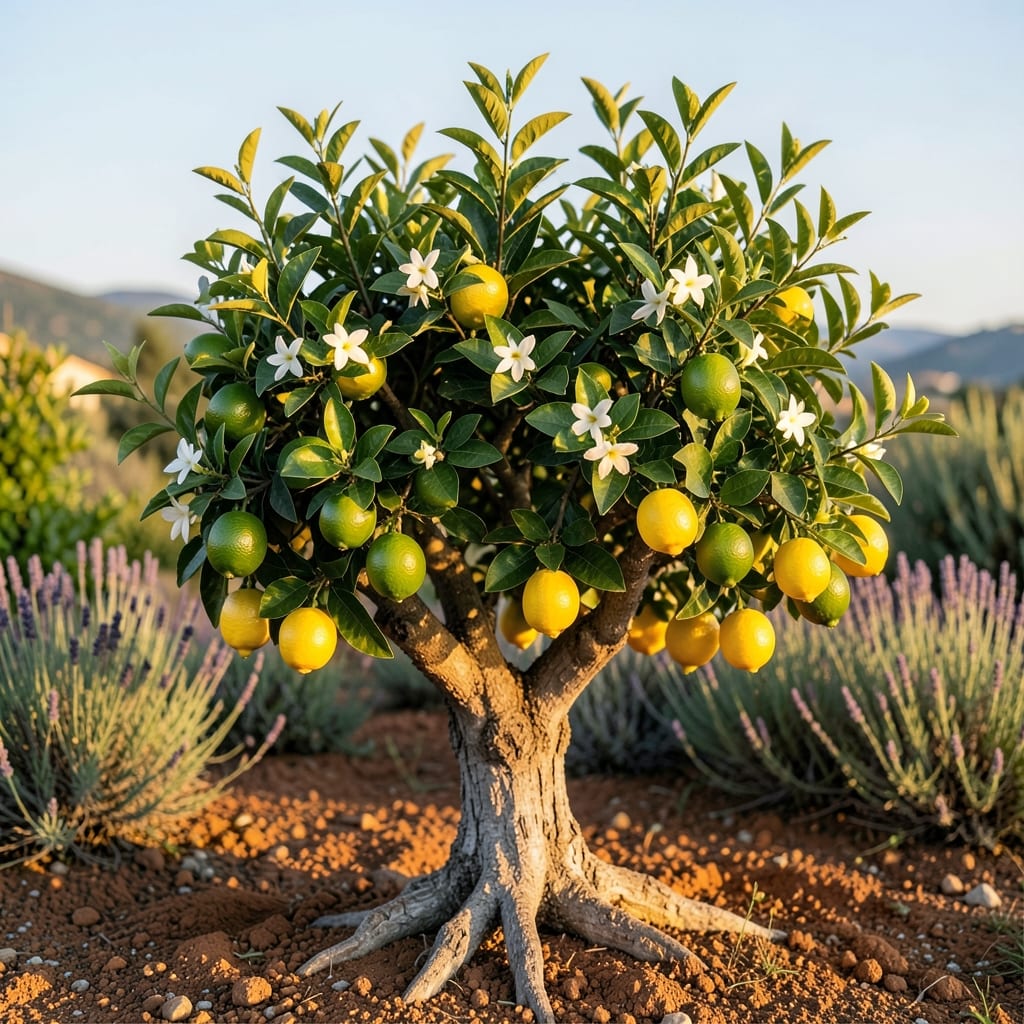
Wondering how tall can a lemon tree grow in your backyard? The answer might surprise you—some varieties stretch toward the sky like a citrus skyscraper, while others stay compact enough for a sunny windowsill. Whether you’re dreaming of a 🍋 lemon tree that rivals your neighbor’s oak or a manageable dwarf that fits your patio, the right choice depends on space, climate, and a little pruning know-how.
Standard lemon trees can reach 20 to 30 feet tall, towering over most homes, but dwarf varieties stay between 6 to 12 feet, making them perfect for containers or small gardens. The key to controlling height isn’t just picking the right type—it’s also understanding how sunlight, soil, and seasonal care play into the equation. Let’s break down what you need to know to keep your lemon tree at the perfect height for your space.
If you’ve ever struggled with a lemon tree that outgrows its welcome, you’re not alone. Many gardeners assume these trees will naturally stay small, only to be shocked when they need a ladder to pick fruit. The good news? With the right techniques—like strategic pruning, container training, or even espalier—you can shape your tree to fit your life, not the other way around.
Ready to grow a lemon tree that works for you? I’ll walk you through the heights of popular varieties, how to keep them in check, and the simple tricks that make all the difference. Let’s get started!

Lemon tree height by variety: dwarf vs. standard vs. giant sizes explained
Choosing the right lemon tree variety is the first step to controlling its height. Standard varieties like Eureka and Lisbon can grow 20 to 30 feet tall, making them better suited for large gardens or rural properties. These giants need space to spread their roots and branches, so they’re not ideal for urban backyards or containers. If you’re working with limited space, dwarf varieties are your best bet—they stay between 6 to 12 feet tall, perfect for patios or even large pots.
The Meyer lemon, a popular dwarf variety, typically reaches 8 to 10 feet at maturity, making it a favorite for home gardeners. Another compact option is the Improved Meyer lemon, which shares similar height traits but produces slightly larger fruit. Even semi-dwarf varieties like Femminello St. Teresa top out around 12 to 18 feet, offering a middle ground for those with moderate space. Understanding these differences helps you pick a tree that fits your landscape without sacrificing fruit production.
Container growing is a game-changer for managing height. Dwarf varieties thrive in 15-gallon or larger pots, while standard trees need at least 25-gallon containers to prevent root-bound stress. The key is choosing a pot with drainage holes and using a well-draining citrus mix to mimic outdoor soil conditions. Without proper container size, even dwarf trees can grow leggy or produce fewer lemons, as their roots become restricted.
Climate also plays a role in height. In USDA Zones 9-11, lemon trees grow year-round and can reach their full potential height faster. However, in cooler zones like Zone 8 or below, trees may stay smaller due to seasonal dormancy or need winter protection. If you’re in a colder region, opt for dwarf varieties or use containers that can be moved indoors during winter. This ensures your tree stays healthy and doesn’t outgrow its space unexpectedly.
Here’s how the most common lemon tree varieties stack up in terms of height:
| Variety | Mature Height | Best For | Notes |
|---|---|---|---|
| Eureka | 20–30 ft | Large gardens, rural properties | Needs full sun, prune annually |
| Lisbon | 20–25 ft | Warm climates, in-ground planting | Drought-tolerant once established |
| Meyer Lemon | 6–10 ft | Containers, patios, small yards | Cold-hardy, sweet fruit |
| Improved Meyer | 8–12 ft | Balconies, large pots | Larger fruit than Meyer |
| Femminello St. Teresa | 12–18 ft | Moderate spaces, semi-dwarf | High yield, needs pruning |
If you’re growing lemons in a container, remember that root space directly impacts height. A 20-gallon pot can support a Meyer lemon up to 8 feet, but if you want to keep it shorter, opt for a 15-gallon pot and prune regularly. The trade-off? Smaller pots may limit fruit production, so balance size with your yield goals. For example, a 5-gallon pot might keep your tree under 6 feet, but it’ll produce fewer lemons per year.
Sunlight is another critical factor. Lemon trees need 6 to 8 hours of direct sun daily to grow at their expected height. Without enough light, they’ll stretch toward the sun (a condition called etiolation), becoming leggy and weak. If your space lacks full sun, consider a south-facing window for indoor containers or use grow lights to supplement. Even dwarf varieties will struggle to reach their full height potential in low-light conditions, so prioritize placement early in their growth cycle.
Pruning young trees early sets the stage for controlled growth. By removing suction shoots (vertical growth) and shaping the canopy, you encourage a bushier, more compact form. For dwarf varieties, aim to prune 2 to 3 times a year: once in early spring to shape the tree, again after harvest to remove dead wood, and lightly in summer to control new growth. Standard trees may need more aggressive pruning to keep them manageable, especially if you’re growing them in a small yard.
Don’t overlook the role of soil and nutrients
How to control lemon tree height: pruning, training & space-saving techniques
If you’ve chosen a dwarf lemon tree variety but still see it stretching toward the sky, don’t panic—height control is all about timing and technique. The secret to keeping your tree manageable lies in pruning, training, and smart container gardening. These methods don’t just limit height; they also boost fruit production by encouraging a bushier, more productive canopy. Let’s dive into the proven strategies that work for both Meyer lemons and larger varieties.
First, pruning is your best friend for height management. For dwarf varieties like the Improved Meyer lemon, aim to prune 2 to 3 times a year: once in early spring to shape the tree, again after harvest to remove dead or crossing branches, and lightly in summer to control new vertical growth. Use sharp, sterilized pruners to cut just above a leaf node or outward-facing bud. This encourages branches to grow outward rather than upward, creating a compact, fruit-bearing structure. For standard trees, prune more aggressively in late winter to remove up to 30% of the canopy, focusing on vertical shoots that steal energy from fruit production.
🌱 Pro Tip: Always prune in the morning when the tree is hydrated. This reduces stress and helps wounds heal faster. Seal larger cuts (over ½ inch) with pruning sealant to prevent disease entry.
Next, consider espalier training, a technique that turns your lemon tree into a decorative, space-saving work of art. By attaching branches to a trellis or wall in a flat, fan-like shape, you can grow a 10-foot tree in a 6-foot vertical space. Start training young trees by gently tying branches to the support with soft plant ties or cotton strips. As the branches grow, adjust their direction by tying them at 45-degree angles. This method not only saves space but also improves air circulation, reducing the risk of fungal diseases like citrus blight. Plus, espaliered trees are easier to harvest from!
For container growers, root pruning is a game-changer. Every 2 to 3 years, gently loosen the root ball and trim 10-20% of the roots with sterilized shears. This encourages the tree to branch out rather than grow taller in search of nutrients. Pair this with regular repotting—move up to a 1-2 gallon larger pot every 2-3 years—to give roots room to spread horizontally. A well-draining citrus mix with perlite or sand is essential to prevent root rot, which can stunt growth and make trees leggy.
Here’s a step-by-step guide to managing your lemon tree’s height, whether you’re pruning, training, or container gardening:
-
Step 1: Prune for Shape
Cut back vertical shoots (suction growth) to encourage outward branching. Aim for a rounded canopy. -
Step 2: Train Branches
Use a trellis or wall to guide branches into a fan or espalier shape. Tie with soft material to avoid damaging bark. -
Step 3: Root Prune Annually
Loosen roots and trim 10-20% to promote horizontal growth over vertical. -
Step 4: Repot Every 2-3 Years
Upgrade to a 1-2 gallon larger pot with fresh well-draining soil. -
Step 5: Fertilize Strategically
Use a balanced citrus fertilizer (6-6-6 or 10-10-10) every 4-6 weeks during growing season to support compact growth.
One common mistake is pruning at the wrong time. Avoid heavy pruning in late summer or fall, as this can stimulate new growth that won’t harden off before winter. Instead, focus on light pruning to remove only dead or diseased branches. For container-grown trees, also watch for overcrowded roots, which can lead to stunted growth. If your tree’s roots are circling the pot, it’s time to repot—even if it’s not yet time for a size upgrade. This simple step can make a huge difference in height control.
Finally, don’t underestimate the power of light and nutrients. Lemon trees grown in low-light conditions will stretch toward the sun, becoming leggy and weak. If your space lacks full sun, supplement with a grow light for 12-14 hours daily. As for nutrients, a balanced fertilizer (like 6-6-6) applied every 4-6 weeks during the growing season promotes healthy, compact growth. Avoid over-fertilizing with nitrogen, which can lead to excessive foliage at the expense of fruit production. Instead, focus on a balanced approach that supports both growth and yield.
With these techniques, you can keep your lemon tree at the perfect height for your space—whether that’s a 6-foot patio tree or a 10-foot espaliered masterpiece. The key is consistency: prune regularly, train branches early, and give your tree the right conditions to thrive without outgrowing its home. 🪴