
How To
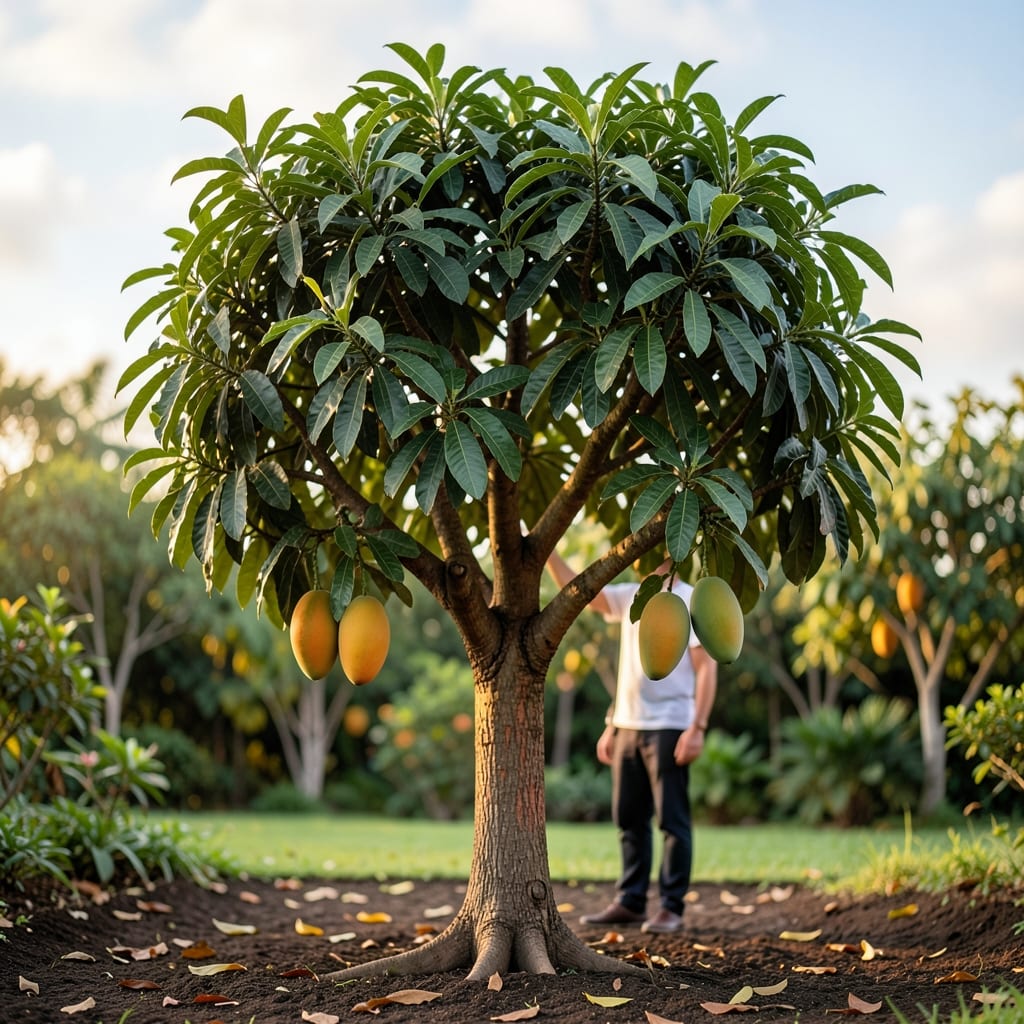
If you’ve ever wondered how tall a mango tree can grow, you’re not alone. The truth is, its eventual height depends entirely on the variety you choose—and it might surprise you how much control you have over its size.
Standard mango trees can soar to 100 feet or more, but dwarf varieties stay compact at just 15–25 feet, making them perfect for backyards or even large containers. The difference comes down to genetics, care, and where you live. Whether you’re in Florida’s frost-free zones or California’s coastal microclimates, the right approach can turn a sky-high giant into a manageable backyard staple.
Curious about how to pick the right tree for your space? Or maybe you’re wondering how pruning and training can keep a mango tree from becoming a jungle giant? I’ll break down everything you need to know—from the fastest-growing varieties to the pruning secrets that keep trees in check without sacrificing fruit production.
Let’s dive into the factors that shape your mango tree’s height and how you can steer its growth—no matter how small (or large) your garden is.


Mango tree height by variety: dwarf to giant species explained
When it comes to mango tree height, the difference between a backyard-friendly dwarf and a towering tropical giant can be 80 feet or more. The variety you choose isn’t just about aesthetics—it directly impacts your tree’s space requirements, fruit production, and even how much pruning and care you’ll need to manage. For example, the 'Cogshall' dwarf variety tops out at just 15–20 feet, while the 'Haden' standard variety can reach 80–100 feet in ideal conditions.
Your climate plays a huge role too. In USDA Zones 10–11 (like Florida or Hawaii), mango trees grow faster and taller due to year-round warmth. But in Zone 9b (like coastal California), even standard varieties may stay slightly shorter—around 60–80 feet—because of cooler winters. The key is matching your variety to your space and climate to avoid a tree that outgrows your yard in just a few years.
Here’s the breakdown: dwarf varieties are perfect for containers or small yards, semi-dwarf types fit medium spaces, and standard varieties need large properties or orchards. I’ll walk you through the most popular options, their mature heights, and which ones thrive in home gardens vs. commercial farms.
🥭
| Variety | Mature Height | Best For | Climate Zones | Fruit Size | Notes |
|---|---|---|---|---|---|
| 'Cogshall' | 15–20 ft | Containers, small yards | 9b–11 | Medium (12–16 oz) | Dwarf, early bearing |
| 'Julie' | 15–25 ft | Urban gardens, patios | 10–11 | Large (20–24 oz) | Cold-hardy dwarf |
| 'Keitt' | 30–50 ft | Medium yards, orchards | 9b–11 | Large (24–32 oz) | Semi-dwarf, popular commercial |
| 'Kent' | 35–45 ft | Suburban yards, farms | 10–11 | Medium (16–20 oz) | Cold-tolerant, reliable |
| 'Haden' | 60–80 ft | Large properties, farms | 10–11 | Large (20–28 oz) | Standard, high yield |
| 'Tommy Atkins' | 80–100+ ft | Tropical farms, orchards | 10–11 | Very large (28–36 oz) | Giant, needs space |
If you’re growing mangoes in a container, stick to dwarf varieties like 'Cogshall' or 'Julie'. These can thrive in 15–25 gallon pots with proper drainage, making them ideal for patios or balconies in Zones 10–11. However, even dwarf trees need regular pruning to control height and shape—especially if you want to encourage fruit production instead of rapid vertical growth.
For standard varieties, plan ahead: a 'Haden' or 'Tommy Atkins' tree will need at least 30 feet of clear space in all directions to avoid shading out other plants or blocking sunlight. In smaller yards, consider topworking—a technique where you graft a dwarf scion onto a standard tree’s rootstock to limit height while keeping the original tree’s fruit-bearing potential.
🌳
One common mistake I see is assuming all mango trees grow to the same height. In reality, genetics dictate 70% of a tree’s mature size, while care and climate account for the remaining 30%. For example, a 'Keitt' mango in Florida might hit 50 feet, but the same tree in Zone 9b could stay around 40 feet due to cooler winters slowing growth. Always check a variety’s origin and ideal climate before planting to avoid disappointment.
Whether
5 Key factors that determine how tall your mango tree will grow
Your mango tree’s height isn’t set in stone—it’s shaped by a mix of genetics, climate, and care. Even the same variety can grow taller in ideal conditions or stay compact with the right pruning. Understanding these five key factors will help you steer your tree’s growth toward your space and goals.
First, your local climate plays a huge role. Mangoes thrive in tropical and subtropical zones (USDA 10–11), where they grow aggressively. In cooler zones like Zone 9b, growth slows, and trees often stay shorter. For example, a 'Haden' mango in Florida might hit 80 feet, while the same tree in Southern California could max out at 50 feet due to milder winters.
🌡️ Numbered Highlights: Growth Factors
- 1. Climate & Zone: Tropical heat = faster growth (100+ ft); cooler zones stunt height (30–50 ft).
- 2. Soil & Nutrition: Rich, well-draining soil with high potassium fuels vertical growth.
- 3. Pruning Technique: Heading cuts slow height; open-center pruning encourages spread.
- 4. Watering Habits: Deep, consistent watering supports rapid growth; drought stress stunts trees.
- 5. Root Space: Container-grown trees stay dwarfed (15–25 ft); in-ground roots expand = taller growth.
Next, soil quality and nutrition directly impact height. Mango trees crave well-draining, slightly acidic soil (pH 5.5–7.0). Amend heavy clay with compost or sand to prevent root rot, which can stunt growth. Fertilize with a balanced NPK (6-6-6 or 8-3-9) during spring and summer to fuel vertical expansion. Too much nitrogen? You’ll get leafy growth but fewer fruits—and potentially a taller, weaker tree.
Pruning is where you take control. If you want a shorter, bushier tree, use heading cuts (trimming back new growth) to encourage lateral branches. For a taller, more open tree, practice open-center pruning, removing lower branches to let light reach the canopy. Pro tip: Prune in late winter or early spring before new growth starts—this gives your tree time to heal and redirect energy.
Watering habits might seem simple, but they’re critical. Mango trees need deep, infrequent watering (10–20 gallons per watering for young trees) to develop strong roots. Shallow watering leads to weak roots and stunted growth. In containers, trees dry out faster—water every 2–3 days in summer. Overwatering? Root rot sets in, and your tree’s growth slows to a crawl.
Finally, root space determines how tall your tree can get. In-ground trees have room to spread their roots, which fuels rapid vertical growth. But in containers or raised beds, roots hit barriers, forcing the tree to stay compact. Choose a pot at least 24 inches wide and deep for dwarf varieties, and upgrade every 2–3 years as the tree grows. With the right container and care, even a 'Tommy Atkins' can stay under 20 feet!