
Size
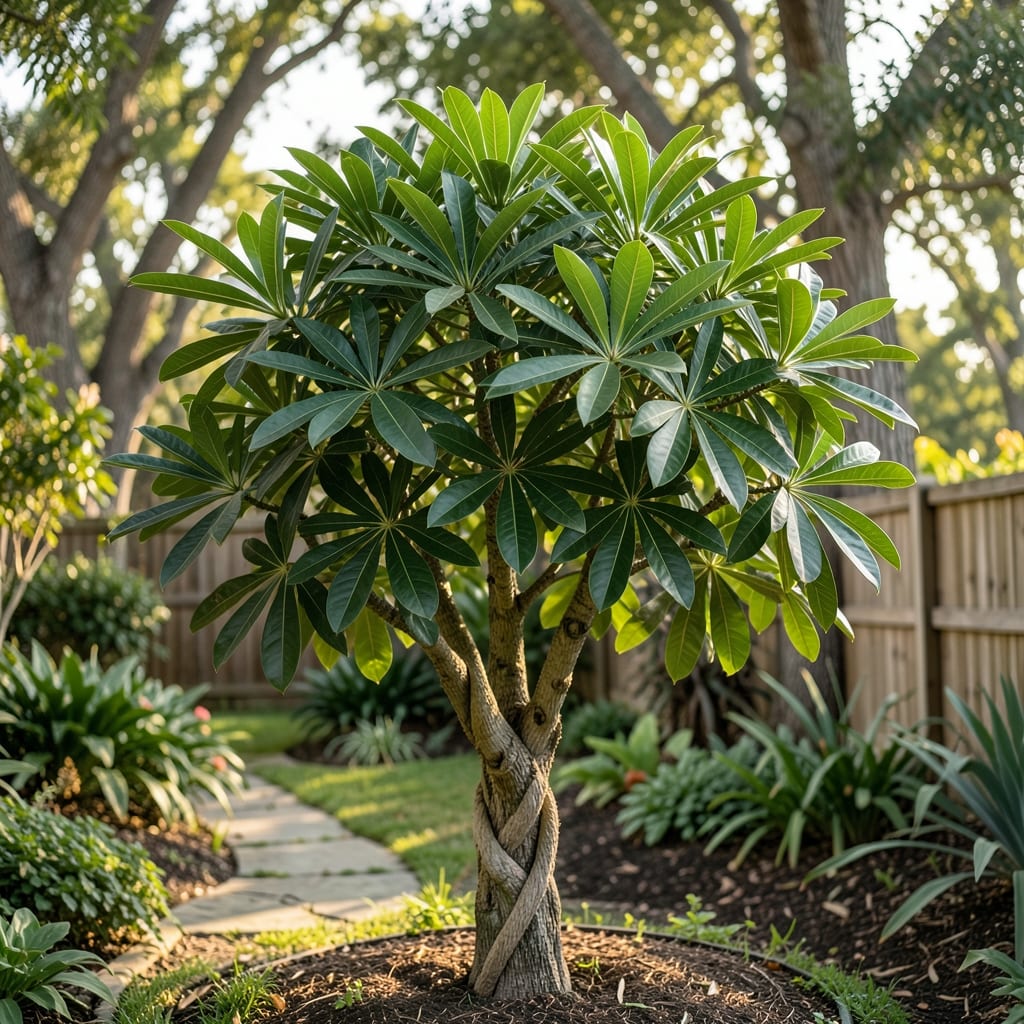
If you’ve ever wondered how tall a money tree can grow indoors, you’re not alone—but the reality might surprise you. The truth is, its height depends on its variety, care routine, and a little patience. Some varieties can stretch up to 10 feet over time, while others stay compact, making them perfect for smaller spaces.
Let’s cut through the guesswork. Whether you’re growing a classic single-stem Money Tree or a trendy braided variety, understanding its growth potential is key. With the right conditions—like bright, indirect light and proper pruning—you can guide its height to match your space and vision. I’ll break down exactly what to expect, so you can set realistic goals and enjoy your Money Tree’s journey from sapling to statement plant.
Here’s the game-changer: most Money Trees grow 1-2 feet per year, but with consistent care, they can reach impressive heights indoors. The secret isn’t just time—it’s knowing how to nurture it without overpowering your home. Whether you’re aiming for a floor-length centerpiece or a manageable tabletop plant, this guide will help you control its growth and keep it thriving for years.
Ready to transform your space with a Money Tree that grows just the way you want? Let’s dive into the details—from variety-specific heights to the care tips that’ll keep your plant happy and healthy. You’ll learn how to encourage vertical growth, troubleshoot slow development, and even prune for the perfect size. Your ceiling-height Money Tree dream is closer than you think!


Money Tree height by variety: indoor growth expectations explained
The money tree (Pachira aquatica) comes in stunning varieties, each with its own growth potential indoors. If you're dreaming of a towering plant, your choice of variety matters most. The most popular types—braided and standard single-stem—have distinct height expectations, and understanding them will help you set realistic goals for your space.
For example, a braided money tree often grows slightly slower than its single-stem counterpart, thanks to the extra energy required to maintain those intricate braids. Meanwhile, a standard money tree can shoot upward more aggressively when given ideal conditions. Let’s break down what you can realistically expect from each variety over time.
🌱
As you can see, a standard single-stem money tree has the highest potential to reach ceiling height indoors, while braided varieties take a bit longer to mature due to the extra energy required for their unique structure. If you're working with limited ceiling space, a dwarf variety is a fantastic choice—it still delivers that lush, tropical look without the vertical commitment.
But here’s the kicker: even within the same variety, growth rates can vary based on care. For instance, a single-stem money tree in a sunny east-facing window with regular pruning can grow 2 feet per year, while one in a dim corner might only add 6 inches annually. The key is creating the right environment to unlock its full potential.
If you’re aiming for a 10-foot money tree indoors, focus on providing bright indirect light, well-draining soil, and consistent moisture. Over time, with patience and proper care, you’ll be rewarded with a stunning vertical statement piece that adds drama to any room.
🌿
One common misconception is that braided money trees are always shorter. While they do grow slightly slower, their height potential isn’t drastically limited. The real difference lies in their growth energy distribution. Braiding requires extra care during the early stages, which can slow initial growth, but given enough time and proper conditions, they can still reach impressive heights.
For example, I’ve seen braided money trees in optimal conditions hit 8 feet indoors within 5–6 years. The trick is to avoid over-pruning the braids during the first few years, as this can stunt their vertical development. Instead, let them establish their structure before guiding their growth direction.
If you’re considering a money tree for a small apartment or office space, a dwarf variety is your best bet. These compact plants typically max out at 3–5 feet, making them perfect for tables, desks, or shelves. They still offer the same lush foliage and symbolic appeal but without the space requirements of their taller cousins.
🪴
No matter which variety you choose, remember that height isn’t the only factor in creating a beautiful money tree. A well-maintained plant with healthy leaves and a sturdy trunk will always be more visually appealing than a leggy, overgrown specimen. Pruning isn’t just about controlling height—it’s about shaping your plant into a work of art that complements your space.
How care affects Money Tree height: 5 key factors for maximum growth
Your money tree’s height isn’t just about time—it’s about creating the perfect growing environment. While some varieties naturally reach 10 feet indoors, others stay compact. The difference? Care. Let’s explore the 5 key factors that determine how tall your Money Tree will grow, so you can fine-tune its development to match your space and goals.
First, light exposure is the foundation. Money Trees thrive in bright, indirect light, but too little can stunt growth. Place yours near a north-facing window where it gets 2-4 hours of filtered sunlight daily. Without enough light, your plant will grow leggy and slow, maxing out at 3-4 feet instead of its full potential. Think of light as the fuel—without it, your Money Tree won’t reach its ceiling-height dreams.
Next, pot size and soil quality play a surprising role. A pot that’s too large can slow growth because the plant focuses on filling the space instead of shooting upward. Choose a container that’s 1-2 inches wider than the root ball, and use well-draining, airy soil to encourage vertical growth. Poor soil? Your Money Tree will struggle to absorb nutrients, leading to weak stems and slower height gains. Aim for a mix of peat, perlite, and compost to keep roots happy and healthy.
- 💡 Light Exposure: 2-4 hours of bright indirect light daily fuels growth. Too little = stunted height.
- 🪴 Pot Size: 1-2 inches wider than root ball encourages upward growth. Avoid oversized pots.
- 💧 Watering Routine: Deep watering every 7-10 days keeps roots active for vertical growth.
- ✂️ Pruning Strategy: Trim leggy stems to encourage bushier, fuller growth and redirect energy upward.
- 🌡️ Humidity Levels: 40-60% humidity prevents stress, helping your Money Tree reach its full height potential.
Don’t underestimate the power of watering habits. Overwatering or underwatering can both limit your Money Tree’s height. Aim for deep watering every 7-10 days, allowing the top 1-2 inches of soil to dry out between sessions. Soggy soil leads to root rot, while dry soil stresses the plant, slowing growth. A consistent watering routine keeps your Money Tree’s roots active and eager to support upward expansion.
If you’re dreaming of a tall, lush Money Tree, pruning is your secret weapon. Regularly trimming leggy or overgrown stems encourages the plant to grow bushier and redirects energy toward new vertical growth. Prune just above a leaf node in early spring to promote fuller, healthier growth. Without pruning, your Money Tree might grow tall but sparse—think of it as training your plant to reach its full height potential while staying balanced and sturdy.
Lastly, humidity levels can make or break your Money Tree’s growth. These tropical plants love 40-60% humidity, which mimics their natural habitat. Low humidity causes stress, leading to slower growth and even leaf drop. To boost humidity, place a tray of water near your plant or use a humidifier. With the right humidity, your Money Tree will thrive, reaching heights of 6-10 feet over time—without the stress of stunted growth.
Ready to give your Money Tree the care it needs to reach its full height? Start with these 5 key factors, and you’ll be well on your way to growing a stunning indoor statement plant. Whether you’re aiming for a ceiling-height giant or a compact tabletop beauty, the right care makes all the difference. 🌿