
Size
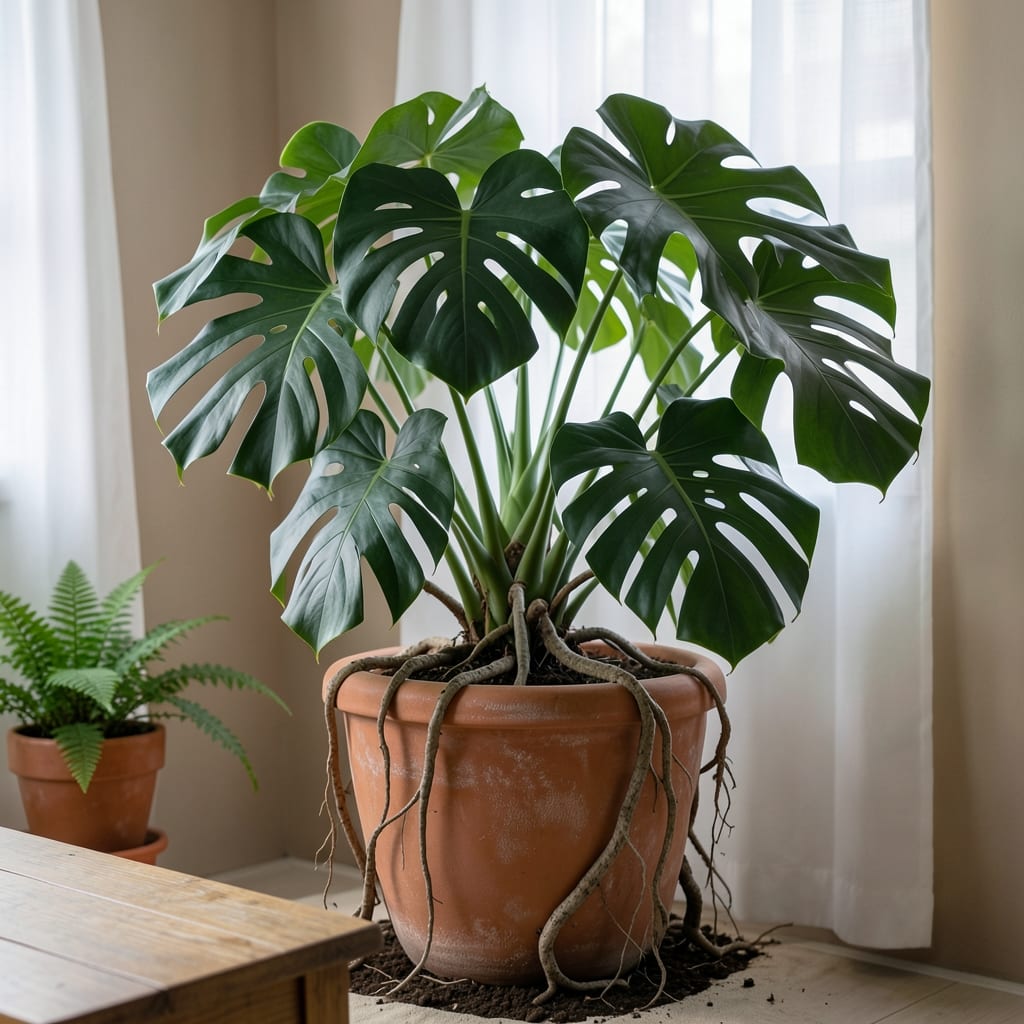
If you've ever wondered how tall can a Monstera grow before it starts looking like a jungle vine from a Tarzan movie, you're not alone. This stunning 🌿 Monstera deliciosa can reach heights that'll make your ceilings feel like they're in a treehouse—sometimes 20 feet or more with proper care.
The truth is, your Monstera's growth depends on where you live and how you nurture it. Indoors, with the right light and support, it can climb to 10 feet or taller over time, while outdoors in warmer climates, it might stretch toward 70 feet if given space to sprawl. That's not just a houseplant—it's a statement piece!
But before you start measuring your walls, there are key factors to consider. Sunlight, pruning habits, and even the type of Monstera you choose can dramatically change its size. Some varieties stay compact, while others grow like they're racing for the sky. Let's break down what you need to know to keep your Monstera thriving—whether you want a ceiling-high giant or a manageable vine.
Whether you're dealing with a Monstera adansonii that stays more compact or the classic deliciosa reaching for the heavens, understanding these growth patterns will help you create the perfect environment. Ready to turn your plant parenting into a green thumb success story?


Monstera growth height: how big can it really get indoors vs. outdoors?
The Monstera deliciosa is famous for its dramatic growth potential, but its height depends entirely on where you grow it. Indoors, with proper care, this tropical beauty can climb to 10-20 feet—often reaching your ceiling or higher. Outdoors in ideal conditions, it can stretch an astonishing 20-70 feet, turning into a sprawling vine that rivals jungle giants.
Your Monstera's growth trajectory isn't random—it's influenced by light exposure, space, and support structures. Without a moss pole or trellis, it may grow leggy and weak, while proper climbing support encourages faster, healthier growth. Even indoors, a well-supported Monstera can grow 3-5 feet per year under optimal conditions.
Outdoors, where it faces no ceiling constraints, a Monstera can become a 70-foot vine in tropical climates like Florida or Hawaii. However, in cooler zones (like USDA Zone 6a), it may stay more compact unless grown as an annual or overwintered indoors. The key difference? Outdoor Monsteras have unlimited vertical space, while indoor plants are limited by your home's height.
Here's the critical comparison: indoor Monsteras typically max out at 10-20 feet with proper care, while outdoor specimens can dwarf even the tallest trees. The growth rate also varies—indoor plants may take 5-10 years to reach maturity, while outdoor plants grow faster when conditions are ideal.
If you're growing your Monstera indoors, don't be surprised if it starts testing your ceiling within a few years. The key to managing its height is providing a moss pole or trellis—this encourages vertical growth and prevents those long, floppy stems. Without support, your Monstera will grow, but it'll look more like a sprawling mess than a structured vine.
Outdoors, Monsteras thrive in USDA Zones 9-11, where they can grow aggressively. In cooler zones, treat it as an annual or bring it indoors during winter. The good news? Even in containers, a Monstera can reach 6-10 feet with proper care, making it a stunning vertical feature for patios or large indoor spaces.
One common misconception is that Monsteras grow at the same rate year-round. In reality, their growth slows dramatically in winter months (especially indoors) due to reduced light. To keep your Monstera growing steadily, supplement with grow lights during darker months or move it to a brighter spot.
For those with high ceilings or outdoor gardens, the sky's the limit—literally. A Monstera in ideal conditions can grow 5-10 feet per year, so if you're dreaming of a jungle vibe, start early and give it the space it deserves. Just remember: patience is key—these plants take time to reach their full potential.
5 Factors that control Monstera height (and how to manage them)
Your Monstera’s growth height isn’t just luck—it’s science! Five key factors determine whether your plant becomes a 10-foot vine or stays a manageable 3-foot beauty. Understanding these will help you steer its growth in the right direction, whether you want a jungle statement or a compact centerpiece.
The first factor is light exposure. Monsteras thrive in bright, indirect light, but too little light stunts growth, while too much direct sun can scorch leaves. Place yours near an east-facing window for optimal growth—this balances energy for climbing without risking leaf burn. Without enough light, your plant may grow slowly and leggy, reaching for the sun but never reaching its full potential height.
A moss pole or trellis is the second game-changer. Monsteras are climbers by nature, and without support, they’ll sprawl horizontally instead of growing vertically. Installing a 6-foot moss pole early on encourages upward growth, helping your plant reach ceiling heights faster. Without support, expect your Monstera to max out at half its potential height—think sprawling vines instead of towering giants.
🌱 5 Factors That Shape Your Monstera’s Height
- 💡 1. Light Exposure: Bright indirect light = faster, healthier growth; too little = leggy, slow growth.
- 🪴 2. Support Structures: Moss poles or trellises direct vertical growth; without them, vines sprawl.
- 💧 3. Watering Consistency: Overwatering stunts roots; underwatering slows growth—aim for moist but not soggy soil.
- ✂️ 4. Pruning Habits: Regular pruning encourages bushier growth; neglect leads to tall, sparse vines.
- 🌡️ 5. Humidity Levels: Low humidity = slower growth; use a humidifier or pebble tray to keep leaves lush.
Pruning is often overlooked but critical for managing height. Prune leggy stems in early spring to encourage bushier, fuller growth. If you want a taller Monstera, avoid heavy pruning—let it climb! But if you prefer a compact shape, trim back the longest vines regularly. Think of pruning as sculpting: you’re shaping the plant’s future growth pattern.
Don’t underestimate humidity levels, either. Monsteras love 60-80% humidity, and dry air can slow growth or cause brown leaf tips. Use a humidifier, place a pebble tray under the pot, or group plants together to create a microclimate. In dry climates, this simple trick can double your plant’s growth rate by keeping its leaves healthy and its roots active.
Finally, pot size matters. A pot that’s too large holds excess moisture, which can stunt root growth, while a pot that’s too small restricts expansion. Choose a container with drainage holes and repot every 2-3 years to give roots room to grow. A happy root system equals a taller, stronger Monstera—so don’t skimp on space!