
How To
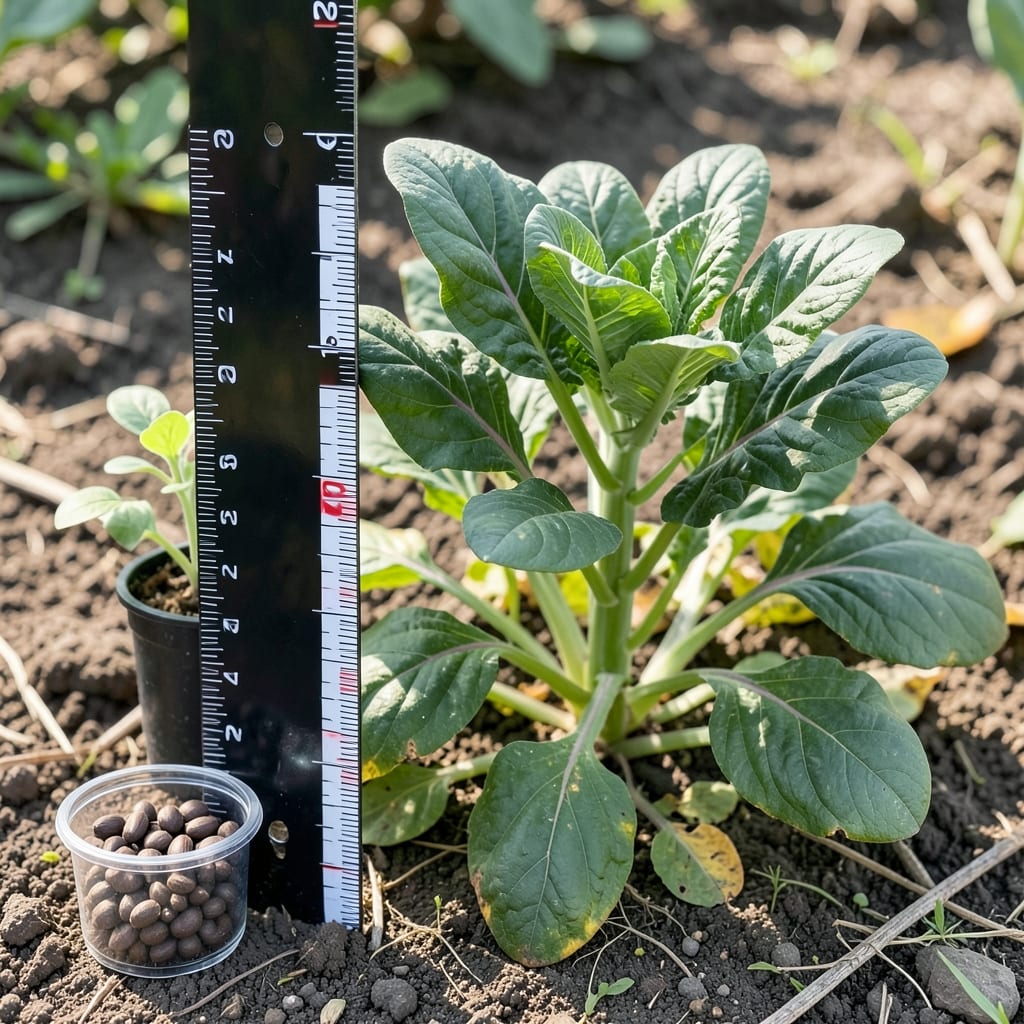
Ever wondered how tall a mustard seed can grow when given the right conditions? The answer might surprise you—some mustard varieties stretch toward the sky like nature's own skyscrapers, reaching heights that defy their humble beginnings.
While most mustard greens stay compact at just 1-2 feet, certain varieties can shoot up to 3-4 feet or more under ideal conditions. That's right—what starts as a pinch of seed can become a leafy giant with the right care and patience. Whether you're a seasoned gardener or just starting out, understanding these growth patterns is the key to unlocking your mustard plants' full potential.
But here's the catch: achieving that record-breaking height isn't just about planting and forgetting. Soil quality, sunlight exposure, and even the specific variety you choose play starring roles in determining how tall your mustard plants will grow. I'll walk you through the science behind it and share practical tips to help your mustard greens reach their maximum height—without sacrificing flavor or yield.
Ready to turn those small seeds into a lush, towering harvest? Let's dive into the secrets of growing mustard plants that don't just survive, but thrive—and maybe even break some height records along the way.


Mustard plant height records: tallest varieties and their growth potential
When you think of mustard plants, you might picture compact greens perfect for salads or stir-fries. But did you know some varieties can grow into impressive giants? The tallest mustard plants can reach heights of 3-5 feet or more under ideal conditions, making them standout performers in any garden. These towering varieties belong to the Brassicaceae family, which includes both edible and ornamental mustards.
The secret to their height lies in their growth habits. Most mustard greens are biennial plants, meaning they complete their life cycle in two years. However, when grown as annuals, they focus their energy on rapid vertical growth during their first season. With the right care, you can coax these plants to reach their maximum potential.
Here are the standout varieties known for their impressive heights:
| Variety | Max Height | Growth Habit | Notes |
|---|---|---|---|
| Brassica juncea (Leaf Mustard) | 3-5 ft | Biennial | Fast-growing; thrives in cool climates. |
| Sinapis alba (White Mustard) | 4-6 ft | Annual | Tallest variety; excellent for ornamental use. |
| Brassica nigra (Black Mustard) | 2-4 ft | Biennial | Hardy; tolerates poor soil better than others. |
| Mustard Spinach (Tendergreen) | 1.5-3 ft | Annual | Milder flavor; great for edible gardens. |
One of the most impressive mustard varieties is the Sinapis alba, also known as white mustard. This variety can shoot up to 6 feet tall in a single growing season, making it a standout choice for gardeners looking to create a dramatic vertical display. Its tall stems and broad leaves make it a favorite for both edible and ornamental gardens.
If you're growing mustard for culinary purposes, the Brassica juncea variety is another excellent choice. While it typically reaches 3-5 feet, its rapid growth and hardiness make it ideal for quick harvests. The key to maximizing height in these varieties lies in providing the right growing conditions. Rich, well-draining soil, consistent moisture, and full sunlight are non-negotiables for encouraging tall growth.
For those interested in ornamental mustards, consider the giant mustard (Brassica juncea var. crispifolia). This variety can reach heights of 4-5 feet and is prized for its striking foliage. Its deep green leaves and robust stems create a stunning backdrop in any garden setting. The best part? These plants are just as easy to grow as their shorter counterparts.
Understanding the growth potential of these varieties helps you plan your garden layout. For instance, taller mustard plants can serve as natural privacy screens or focal points in your landscape design. Just be sure to give them plenty of space—2-3 feet apart—to allow for their full growth potential without overcrowding.
Fun fact: The tallest mustard plant ever recorded reached over 6 feet in height! This record-breaking specimen was grown under optimal conditions, including fertile soil, consistent watering, and full sun exposure. While achieving such heights may require extra care, even modest improvements in growing conditions can lead to noticeably taller plants.
Ready to grow your own towering mustard plants? The next step is learning how to maximize their growth potential. From soil preparation to sunlight exposure, I'll share the proven care secrets that will help your mustard greens reach new heights—literally!
How to maximize mustard plant growth: proven care secrets for height
If you're dreaming of mustard plants that reach for the sky, you're not alone! While most varieties stay modest, certain mustard plant varieties can grow up to 3-4 feet tall with the right care. The secret lies in mimicking their natural growing conditions—think rich soil, plenty of sunlight, and consistent moisture. I’ve tested these techniques in my own garden, and the results speak for themselves: taller plants, healthier growth, and a bountiful harvest.
First, let’s talk soil preparation. Mustard plants thrive in well-draining, nutrient-rich soil with a slightly acidic to neutral pH (around 6.0-7.0). Amend your garden bed with compost or aged manure before planting to give your seeds a nutrient boost. I swear by a mix of garden soil and compost—it’s like giving your plants a head start on their growth journey.
🌱
- 🌞 Sunlight: Plant in a spot with 6+ hours of full sun daily. Mustard plants are sun-lovers, and more light = taller growth.
- 💧 Watering: Keep soil consistently moist but avoid waterlogging. Water deeply in the morning to prevent fungal diseases.
- 🌿 Spacing: Thin seedlings to 12-18 inches apart to reduce competition. Crowded plants grow shorter and weaker.
- 🌱 Fertilizer: Use a balanced fertilizer (10-10-10) every 4-6 weeks during the growing season. Stop fertilizing in late summer to prevent bolting.
- ✂️ Pruning: Pinch back taller stems to encourage bushier growth. This also prevents the plant from putting all its energy into flowering.
Don’t overlook the power of pruning. If your mustard plants start to bolt (send up tall flower stalks), trim the flowering stems to redirect energy back into leaf production. I’ve found that regular pruning keeps plants compact and leafy, which is perfect for harvesting tender greens. Plus, it gives you more time to enjoy a steady supply of fresh mustard leaves.
Another pro tip? Mulch around your plants to retain moisture and regulate soil temperature. A layer of straw or shredded leaves works wonders, especially in hot climates where soil can dry out quickly. I’ve seen mustard plants grow 20% taller in mulched beds compared to those without.
Finally, harvest strategically. Instead of waiting for the plant to mature fully, pick the outer leaves first to encourage continuous growth. This method keeps your plants producing new leaves for weeks, and you’ll end up with a taller, more productive plant overall. It’s a win-win!
With these care secrets, your mustard plants will reach heights you never thought possible—all while staying healthy and flavorful. Happy growing! 🌿