
Size
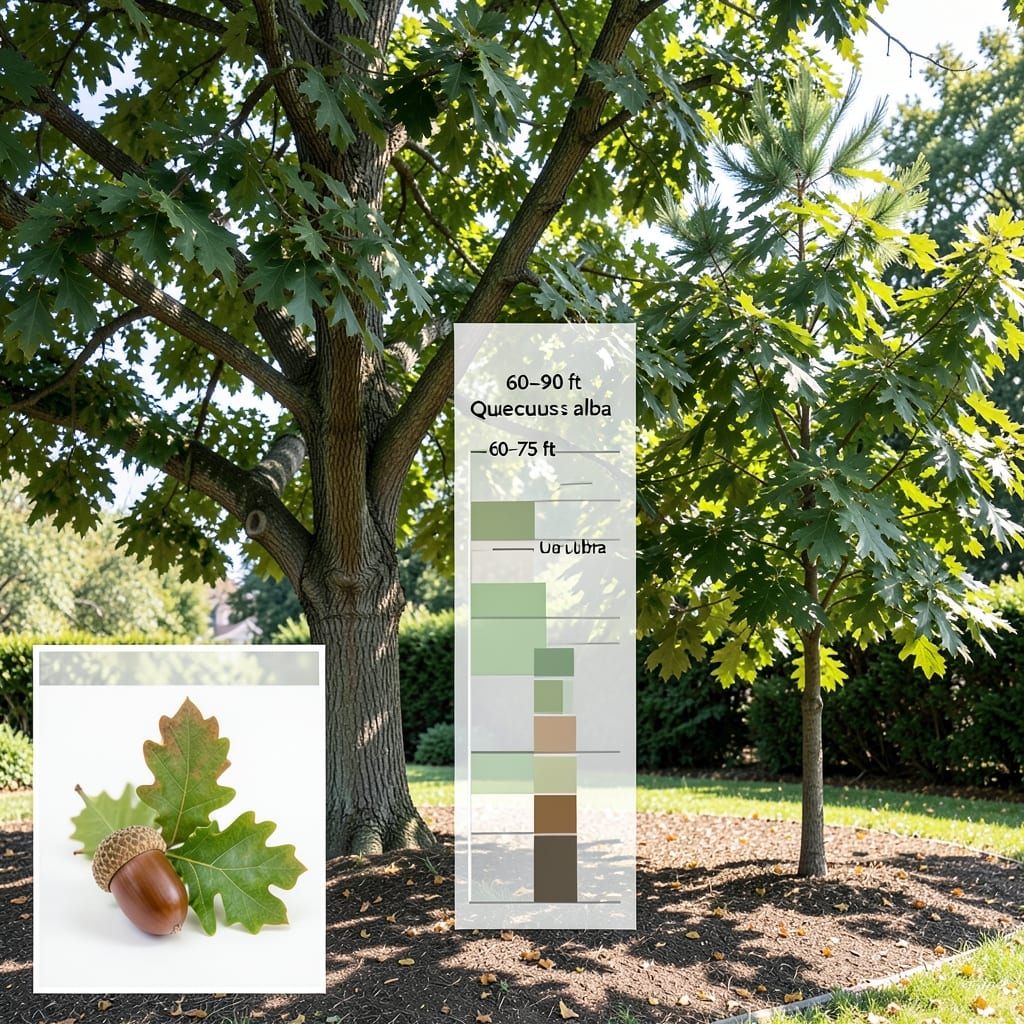
If you’ve ever wondered just how tall an oak tree can grow, the answer might surprise you—some of these majestic 🌳 oak trees can reach heights that dwarf even the tallest buildings, stretching up to 100 feet or more. Whether you're planning to plant one in your yard or simply admiring their grandeur, understanding their growth potential is key to making the right choices.
The height of an oak tree depends on several factors, including its species, soil quality, and climate conditions. For instance, white oaks and red oaks often grow taller than their counterparts, while dwarf varieties stay much smaller. Knowing these differences can help you select the perfect oak tree for your space and climate.
If you're considering adding an oak tree to your landscape, it's important to think about long-term growth. These trees aren’t just impressive in height—they also require ample space to thrive. By learning about their growth habits and care needs, you can ensure your oak tree grows strong and healthy for decades to come.
In this guide, I’ll break down everything you need to know about oak tree heights, from the tallest species to practical tips for managing their growth. Let’s dive in and discover how to make the most of these incredible trees in your outdoor space.


Mature heights of oak tree species: from dwarfs to skyscrapers
Oak trees are nature’s skyscrapers, with some species reaching heights that rival the tallest buildings in cities. The coast live oak and white oak are among the tallest, often surpassing 100 feet in ideal conditions, while others like the dwarf oak varieties stay compact at just 10-15 feet. Understanding these differences helps you choose the perfect oak for your yard or landscape.
For most gardeners, the red oak and bur oak strike a balance, typically growing between 60-80 feet tall. These medium-height oaks are popular choices for suburban landscapes because they provide shade without overwhelming smaller properties. Meanwhile, the pin oak and willow oak tend to stay slightly shorter, around 50-70 feet, making them great for urban environments.
The summary-table below breaks down the height ranges of common oak species, including their mature sizes and ideal growing conditions. This will help you visualize which oaks fit best in your space and climate zone.
| Oak Species | Mature Height (ft) | Spread (ft) | Growth Rate | Best For |
|---|---|---|---|---|
| Coast Live Oak | 80-100+ | 60-100 | Slow to Moderate | Large properties, coastal areas |
| White Oak | 70-90 | 50-80 | Moderate | Suburban yards, parks |
| Red Oak | 60-80 | 40-60 | Fast | Urban landscapes, quick shade |
| Pin Oak | 50-70 | 30-50 | Moderate | Small yards, containers |
| Dwarf Oak (e.g., 'Little Giant') | 10-15 | 8-12 | Slow | Patios, small gardens |
If you’re planting an oak in a small yard, consider the pin oak or willow oak, which stay shorter but still provide ample shade. For large properties or rural areas, the coast live oak or white oak will thrive and create a stunning focal point. Always check your local climate and soil conditions, as these can significantly impact how tall your oak tree grows.
One surprising fact is that oaks in coastal regions often grow taller than those in inland areas due to higher humidity and nutrient-rich soils. For example, a coast live oak in California might reach 120 feet, while the same species in the Midwest may only hit 80 feet. This variation is why it’s crucial to research your specific USDA hardiness zone before planting.
For gardeners in urban areas, dwarf oak varieties like the 'Little Giant' are excellent choices. These trees stay under 15 feet tall but still offer the classic oak aesthetic. They’re perfect for patios, small yards, or even large containers. Just be sure to prune them regularly to maintain their compact shape and encourage healthy growth.
When selecting an oak tree, also consider its canopy spread, which can be just as important as height. A white oak with a 60-foot spread will need plenty of room to avoid crowding other plants or structures. Always measure your space and give the tree room to grow—oaks have long taproots that make transplanting difficult once established.
Finally, remember that young oak trees grow slowly in their first few years. Don’t expect dramatic height gains right away! With proper care, including well-draining soil,
What determines an oak tree’s height: soil, climate, and care secrets
When it comes to how tall an oak tree can grow, soil quality plays a starring role—think of it as the foundation for your tree’s future skyscraper ambitions. Well-draining, nutrient-rich soil with a pH between 6.0 and 7.5 gives oak trees the boost they need to reach their full potential. Sandy loam soils, for example, allow roots to spread easily, while clay-heavy soils can stunt growth by restricting oxygen flow. If your soil is compacted, amending it with organic matter like compost can make a world of difference over time.
Next up is climate, which acts like a growth thermostat for your oak. Trees in USDA hardiness zones 4 through 9 tend to thrive, but regional microclimates matter too. Coastal areas with mild winters and high humidity often produce taller oaks, like the coast live oak, which can soar past 100 feet with ideal conditions. In contrast, colder inland climates may limit height due to shorter growing seasons. If you’re in a drought-prone zone, consider drought-tolerant species like the bur oak, which adapts better to water scarcity.
Don’t overlook the power of sunlight exposure—oaks are sun-worshippers and need at least 6 hours of direct light daily to maximize height. Planting in a south-facing location ensures they get the most sunlight, especially in northern latitudes. Shade from buildings or other trees can slow growth dramatically, so always scout your planting spot before committing. Even mature oaks will struggle to reach their full height if deprived of light, so prioritize open spaces.
Watering might seem like a no-brainer, but how you water can dramatically affect height. Young oak trees need deep watering once a week to establish strong roots, while mature trees become drought-tolerant but still appreciate occasional deep soakings during dry spells. Overwatering, however, can suffocate roots and lead to stunted growth, so always let the top 6 inches of soil dry out between waterings. Mulching around the base with wood chips or straw helps retain moisture and regulate soil temperature, creating ideal conditions for upward growth.
Finally, pruning techniques can either hinder or accelerate height development. Most gardeners make the mistake of pruning too aggressively, which can slow growth or even trigger multiple leaders (multiple trunks). Instead, focus on removing dead, diseased, or crossing branches annually in late winter or early spring. This redirects the tree’s energy upward, encouraging a single, strong leader. Avoid "topping" oaks—this brutal practice stunts growth and weakens the tree long-term.
By mastering these five key factors—soil, climate, sunlight, watering, and pruning—you’ll give your oak tree the best shot at reaching its full height potential. Whether you’re aiming for a 60-foot white oak or a 30-foot pin oak, understanding these secrets ensures your tree grows tall, strong, and healthy for generations. 🌳