
How To
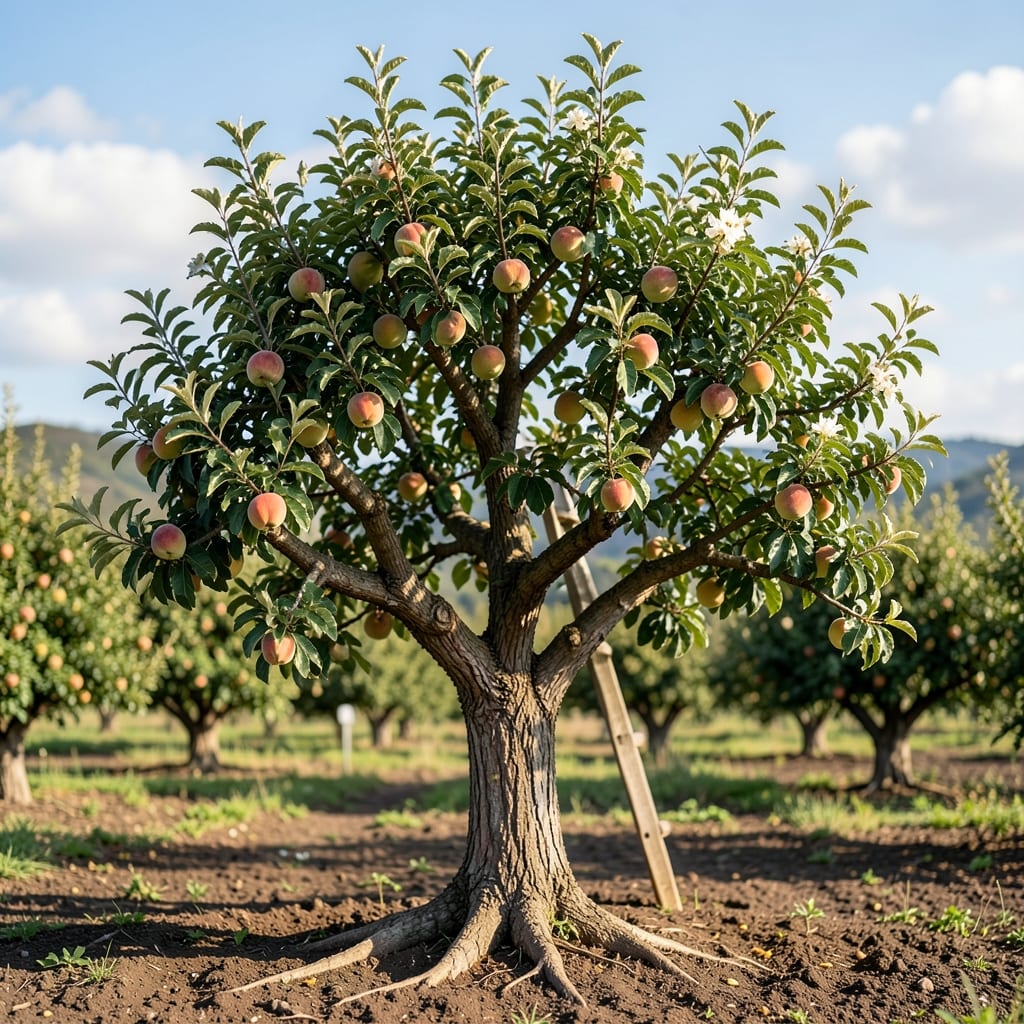
If you’ve ever wondered how tall can a peach tree grow, the answer might surprise you—these fruiting giants can stretch from compact backyard dwarfs to towering 30-foot trees that need serious space. Whether you’re dreaming of a 🍑-filled orchard or just want a single tree for fresh fruit, size matters.
The right variety can make all the difference. Dwarf peach trees stay manageable at 8-12 feet, perfect for small gardens or containers, while standard varieties reach 20-30 feet, dominating landscapes like a natural shade provider. But size isn’t just about aesthetics—it affects pruning, spacing, and even fruit yield.
Before planting, ask yourself: Do you have the room for a 20-foot tree, or would a dwarf variety fit better in your 6a zone? I’ll break down the best options for your space, plus tips to control height and maximize harvests—no matter how much (or little) room you’ve got.
Ready to pick the perfect peach tree for your backyard? Let’s dive into the details so you can grow the 🍑 tree of your dreams—without the space headaches.

Peach tree height variations: from dwarf to standard to giant sizes
Peach trees aren’t one-size-fits-all—some stay petite enough for container gardening, while others grow tall enough to shade your entire backyard. Understanding these height variations helps you pick the perfect tree for your space and goals. Dwarf varieties top out at 8-12 feet, making them ideal for urban gardens or small patios, while standard trees can soar to 20-30 feet, rivaling mature oak trees.
The key difference lies in their rootstocks—the underlying root system that determines growth habit. Dwarf trees are grafted onto stunted rootstocks like 'Lovell' or 'Halford,' while standard trees use seedling rootstocks for unchecked growth. Semi-dwarf varieties strike a balance at 12-18 feet, offering manageable size with higher yields than dwarfs.
Here’s how these sizes break down in real-world terms:
| Type | Mature Height | Space Needs | Best For |
|---|---|---|---|
| Dwarf | 8–12 ft | 6–10 ft wide | Containers, small yards, urban gardens |
| Semi-Dwarf | 12–18 ft | 10–15 ft wide | Backyards, orchards, moderate spaces |
| Standard | 20–30 ft | 20–30 ft wide | Large properties, shade trees, orchards |
Your USDA Zone 6a climate plays a role too—cooler zones may see slightly slower growth, but with proper care, peach trees thrive even in shorter seasons. For example, a dwarf 'Bonanza' might take 3 years to reach 6 feet, while a standard tree could grow 10 feet in the same time under ideal conditions.
Growth rates also depend on pruning practices. Regular pruning can keep a standard tree 20% shorter than its natural height, while neglect can lead to tangled branches and reduced fruit quality. I’ll cover pruning tips later, but for now, know that even giant trees can be managed with the right techniques.
Another factor? Soil and sunlight. Peach trees need full sun (6+ hours daily) and well-draining soil to reach their full potential. In shady spots, growth slows, and fruit production drops. If your yard lacks ideal conditions, dwarf varieties are your best bet—they adapt better to less-than-perfect sites.
Let’s say you’re working with a 10x12-foot patio. A dwarf tree fits perfectly, while a standard tree would dominate the space and block sunlight for other plants. Always measure your area before choosing—spacing rules apply even to dwarfs (keep them 8 feet apart for airflow and disease prevention).
Height isn’t just about space—it affects fruit accessibility too. Standard trees require ladders to harvest, while dwarf trees let you pick 🍑 at waist height. If you’re growing for family use, consider how much effort you’re willing to put into harvesting. Some gardeners opt for semi-dwarf trees as a compromise between size and convenience.
Finally, remember that tree age matters. A 5-year-old dwarf tree might still be 6 feet tall, while a 20-year-old standard tree could reach its 30-foot ceiling. Plan ahead—if you want peaches in 2 years, a dwarf variety is your fastest route to harvest.
Now that you know the height spectrum, let’s explore the best 🍑 varieties for your space—whether you’ve got a postage-stamp patio or an acre of orchard land.
Peach tree height variations: from dwarf to standard to giant sizes
Peach trees come in a stunning range of heights, from dwarf varieties that fit in containers to giant trees that dominate your landscape. The size you choose depends on your space, sunlight access, and how much fruit you want to harvest. Let’s break down the four main categories: dwarf, semi-dwarf, standard, and giant peach trees—each with its own growth habits and space needs.
Dwarf peach trees are the space-savers of the orchard, typically reaching 8-12 feet at maturity. These are perfect for small gardens, urban backyards, or even large containers. They grow slowly, making them easier to manage and prune. Semi-dwarf varieties strike a balance, growing 12-18 feet tall, ideal for medium-sized yards where you want a tree that’s manageable but still substantial.
Standard peach trees are the classic 20-30 foot giants you might picture in a traditional orchard. They require ample space, robust pruning, and often need a full sun location to thrive. Giant varieties, while rare, can exceed 30 feet, making them more suited for rural properties or large estates. Each size category has unique care requirements, so choosing the right one ensures your tree stays healthy and productive.
| Category | Mature Height | Space Needs | Pruning Needs | Best For |
|---|---|---|---|---|
| Dwarf | 8-12 ft | Small gardens, containers | Minimal, annual shaping | Urban yards, patios |
| Semi-Dwarf | 12-18 ft | Medium yards, orchards | Moderate, annual pruning | Family gardens, small farms |
| Standard | 20-30 ft | Large properties, orchards | Intensive, annual pruning | Rural homes, commercial farms |
| Giant | 30+ ft | Very large estates | Specialized, professional care | Orchard settings, landscapes |
The height of a peach tree isn’t just about aesthetics—it directly impacts how you care for it. Dwarf trees need less aggressive pruning and can even be grown in large containers on patios. Standard trees, however, require regular pruning to manage their size and shape, especially if you want to keep them near your home or driveway. Giant trees, while stunning, demand significant space and professional care to maintain their health and fruit production.
If you’re in a USDA Zone 6a like many gardeners, dwarf and semi-dwarf varieties are your best bets for manageable growth. These trees also tend to bear fruit earlier, often within 2-3 years of planting, compared to standard varieties that may take 4-5 years. Early fruiting means more 🍑 for your table sooner!
Before planting, measure your space and consider how tall your peach tree will grow. A 20-foot tree needs at least 15 feet of clearance all around for airflow and sunlight. If space is tight, opt for a dwarf variety and pair it with regular pruning to keep it in check. The right size ensures your tree thrives—and so does your garden!