
How To
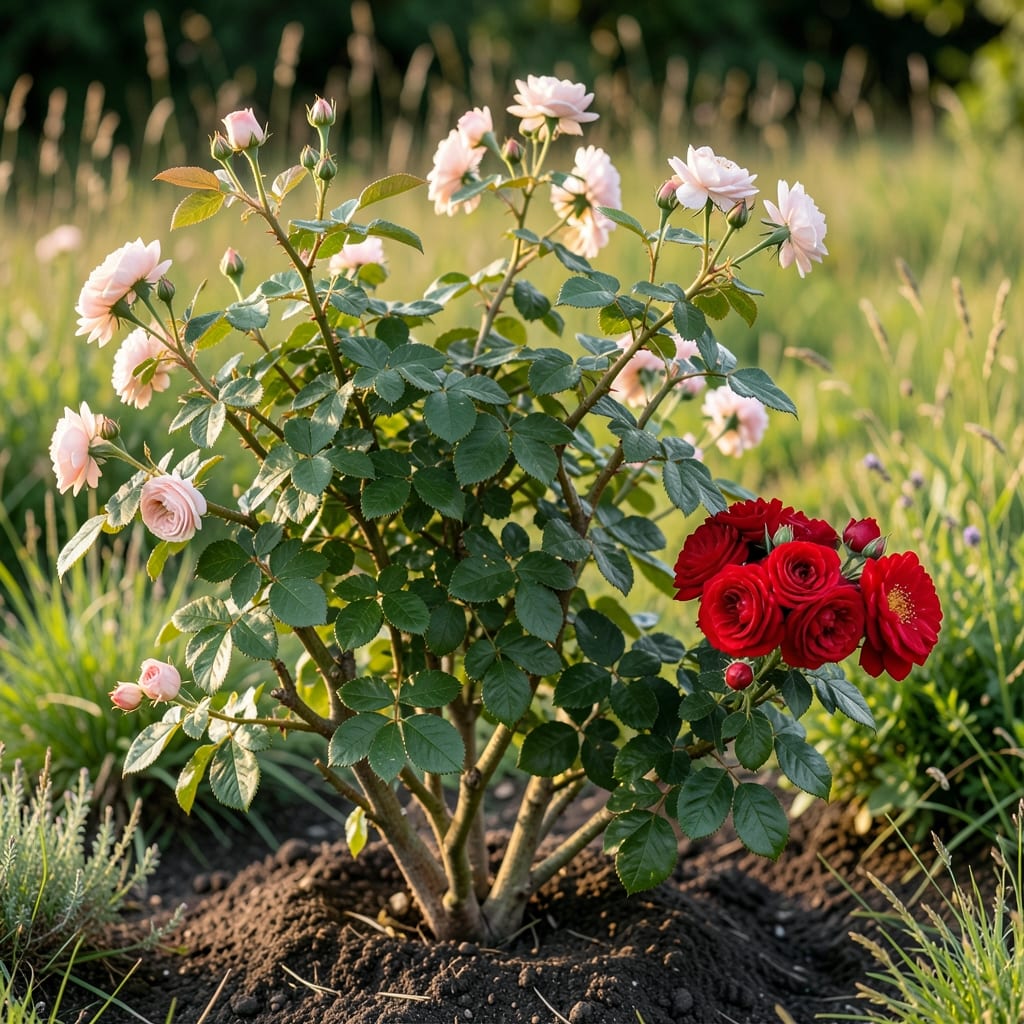
Have you ever wondered how tall a rose bush can grow and whether yours could one day stretch toward the sky? The answer might surprise you—some varieties reach heights taller than a basketball hoop, while others stay compact enough for a patio. But here's the kicker: your pruning habits and care routine can push those limits even further.
If you're dreaming of a rose bush that rivals a trellis or just want to keep your garden tidy, understanding the natural growth potential of different types is the first step. From delicate miniature roses to towering climbers, each variety has its own sky-high ambitions—and with the right techniques, you can help them reach their full potential.
Let’s break down what determines a rose bush’s height, from genetics to sunlight exposure, and share practical pruning tips to control or encourage growth. Whether you're a first-time gardener or a seasoned green thumb, these insights will help you shape your roses into the perfect vertical display.
Ready to transform your garden into a lush, fragrant masterpiece? Grab your pruners, and let’s get growing!


Rose bush height by variety: from dwarf to towering climbers
The height of your rose bush depends entirely on its variety. Some stay compact enough for window boxes, while others climb trellises like jungle vines. Understanding these differences helps you choose the perfect rose bush for your space and design goals.
For example, miniature roses max out at just 1-2 feet, making them ideal for fairy gardens or container displays. Meanwhile, climbing roses can stretch 10-20 feet or more when trained properly—perfect for arbors or fences.
Let’s break down the height ranges for common rose varieties so you can plan your garden layout with confidence.
| Variety | Mature Height | Growth Rate | Best For |
|---|---|---|---|
| Miniature Roses | 1-2 ft | Slow (6-12 in/year) | Containers, fairy gardens |
| Shrub Roses | 3-5 ft | Moderate (12-24 in/year) | Borders, hedges, mass planting |
| Hybrid Teas | 3-6 ft | Moderate (12-18 in/year) | Cut flowers, garden focal points |
| Climbing Roses | 10-20+ ft | Fast (24-36 in/year) | Arbors, pergolas, trellises |
| Floribunda Roses | 2-5 ft | Moderate (12-18 in/year) | Bushes, mixed borders |
If you’re planning a vertical garden, climbing roses like ‘New Dawn’ or ‘Blaze’ can reach 15-20 feet with proper support. These varieties need strong trellises or arbors to guide their growth upward, but the payoff is dramatic seasonal blooms.
For small spaces, shrub roses or miniature roses are game-changers. They stay compact, bloom prolifically, and fit perfectly in containers or tight garden corners. My patio garden features a miniature rose bush in a terracotta pot—it’s thrived for years with minimal pruning!
Remember, even within a variety, individual rose bushes can vary slightly in height. Factors like soil quality, sunlight exposure, and pruning habits play a role. For instance, a hybrid tea rose might stay shorter if pruned aggressively each spring.
Pro tip: Check the rose bush tag at the nursery for expected mature height. This helps avoid surprises when your 6-foot dream rose ends up sprawling instead of soaring.
Now that you know the height potential of different rose varieties, let’s explore how pruning techniques can help you shape your rose bush to fit your vision—whether that’s a towering trellis or a neatly trimmed shrub.
Pruning techniques to control or maximize rose bush height
Pruning isn’t just about keeping your rose bush tidy—it’s the secret weapon to control or maximize height. Whether you want your climbing roses to reach the clouds or your shrub roses to stay compact, the right cuts at the right time make all the difference. Think of pruning as sculpting your rose bush into your dream shape.
For taller growth, focus on encouraging upward stems by cutting back lower branches and redirecting energy. If you’re dealing with a wildly overgrown rose bush, strategic pruning can tame its height while boosting blooms. The key is timing—prune at the right season, and you’ll see dramatic changes in just one growing season.
Let’s dive into step-by-step pruning techniques tailored to your rose bush goals, whether you’re aiming for a 6-foot giant or a 2-foot patio gem. Grab your pruners, and let’s get started!
- 🌱 Early Spring Pruning (Late February - Early March): Cut back dead or weak canes to the base. For taller growth, leave 3-5 strong buds on remaining canes. This jumpstarts upward energy.
- 🌿 Summer Light Pruning (June - July): Trim spent blooms just above a leaf node to encourage more flowers. Avoid heavy cuts—this keeps the rose bush balanced.
- ✂️ Fall Cleanup (October - November): Remove diseased or crossing branches. For climbing roses, shorten side shoots to 1-2 buds to redirect growth upward next spring.
- 🌹 Winter Dormant Pruning (December - January): Shape your rose bush aggressively. For shrub roses, cut back 1/3 of the oldest canes to the ground. For climbers, prune to 2-3 buds from the base.
- ☀️ Year-Round Training (For Climbers): Tie new vertical shoots to a trellis or arbor as they grow. This encourages upward growth and prevents sprawling.
If you’re growing a climbing rose, training is everything. Every time you see a new shoot reaching upward, gently tie it to your support structure. This simple step can turn a 3-foot bush into a 15-foot masterpiece in just a few seasons. I once trained a ‘Zephirine Drouhin’ rose up a 10-foot arbor—now it’s a fragrant canopy every summer!
For height control, the trick is cutting back aggressively in early spring. Remove any long, leggy canes and shorten others to 12-18 inches. This forces the rose bush to put energy into new, shorter stems with more blooms. Just be patient—it may take a year or two to see the full effect.
One common mistake? Pruning too late in the season. Late summer or fall cuts can stimulate new growth that won’t harden off before winter, leading to frost damage. Always aim to finish pruning at least 6 weeks before your first frost.
Pro tip: Disinfect your pruners between cuts with rubbing alcohol to prevent disease spread. A clean tool is a happy rose bush!