
Trees
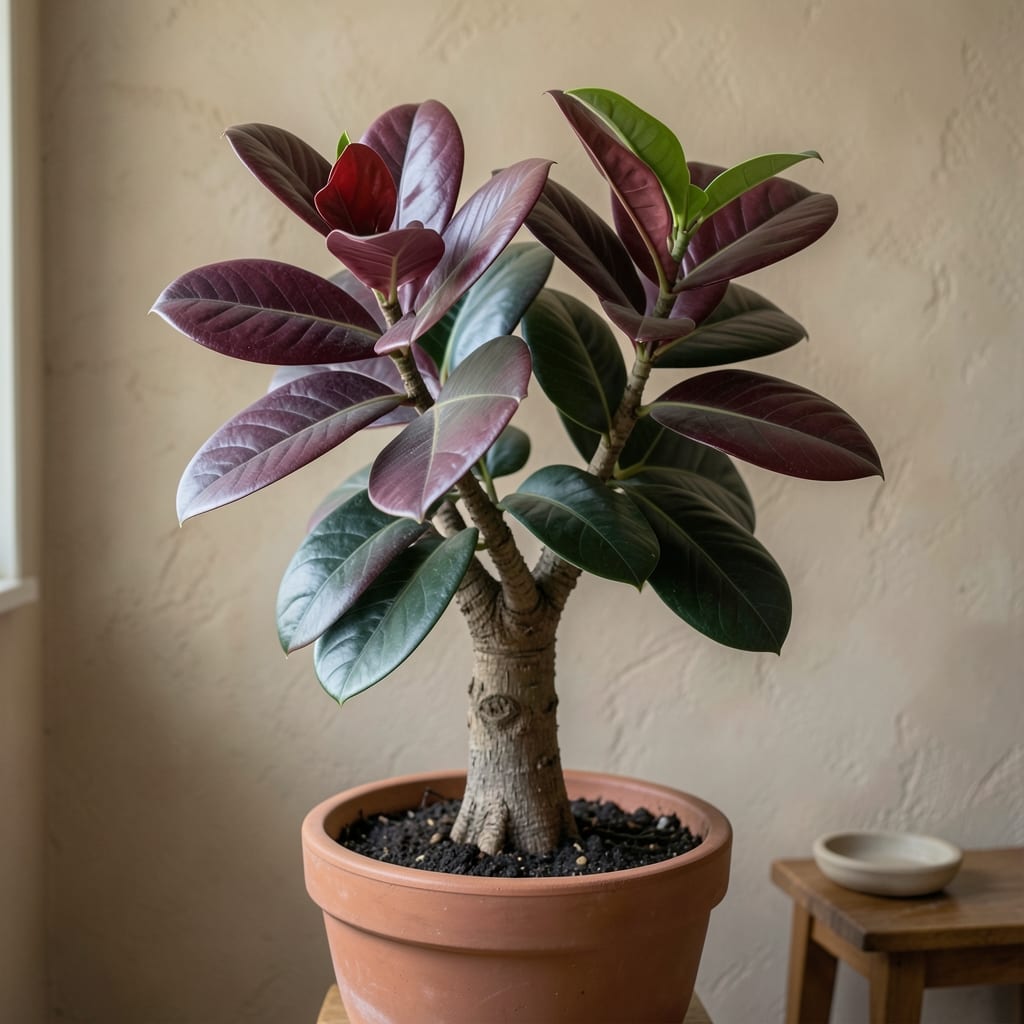
Curious about how tall your rubber tree (🌿 Ficus elastica) can grow? The answer might surprise you—these glossy-leaved giants can stretch from a modest 10 feet to an impressive 30 feet or more, depending on where you grow them.
Indoors, most rubber trees stay between 6 and 10 feet tall, but with the right conditions—like bright, indirect light and proper care—they can reach ceiling heights and beyond. Outdoors in warmer climates, they thrive as small trees, sometimes towering over 20 feet.
But don’t worry if your space is limited! With smart pruning and care techniques, you can keep your rubber tree at a manageable height while still enjoying its lush, vibrant foliage. I’ll show you how to control its growth and keep it healthy, no matter your ceiling’s limits.
Whether you’re dealing with a leggy plant or dreaming of a towering indoor tree, understanding the factors that influence height is the first step. Let’s dive into the secrets of managing your rubber tree’s growth—from genetics to pruning hacks.


Natural height limits of rubber trees: how tall they can grow indoors vs. outdoors
Rubber trees (Ficus elastica) are natural growth champions, capable of reaching 10 to 30 feet tall when given ideal conditions. Their height depends heavily on whether they’re grown indoors or outdoors, with outdoor specimens often outpacing their indoor counterparts by 50% or more. The key factors? Genetics, sunlight exposure, and space to stretch.
Indoors, most rubber trees max out around 6 to 10 feet due to limited light and container constraints. Varieties like the 'Black Prince' or 'Tineke' (with their striking variegation) tend to stay on the shorter side unless actively trained to climb. Outdoors in tropical or subtropical climates, they behave more like small trees, easily surpassing 20 feet with broad canopies.
Here’s the surprising part: some rubber trees in greenhouses or conservatories have been documented reaching over 30 feet with proper care. The 'Robusta' variety, in particular, is known for its rapid vertical growth when given ample light and space. But don’t let these heights intimidate you—with the right techniques, you can manage even the most ambitious growers.
🌿
| Factor | Indoor Growth | Outdoor Growth |
|---|---|---|
| Max Height | 6–10 ft | 10–30+ ft |
| Light Needs | Bright indirect | Full sun to partial shade |
| Growth Rate | 1–2 ft/year | 3–5 ft/year |
| Space Needs | Container-bound | Ground or large pots |
| Best Varieties for Height | 'Robusta' | 'Decora' |
Note: Outdoor heights vary by climate and soil quality.
Sunlight is the single biggest factor in determining your rubber tree’s height. Indoors, these trees thrive near north-facing windows where they receive bright, indirect light for 6–8 hours daily. Without enough light, they’ll stretch dramatically (a condition called etiolation), growing tall and leggy with sparse leaves. Outdoors, they love morning sun and afternoon shade, especially in hotter zones like USDA Zones 10–12.
Container size also plays a critical role. Rubber trees in small pots will grow slower but may develop root-bound stress, which can stunt their height. If you’re aiming for a taller tree, choose a pot that’s at least 12–18 inches wide and repot every 2–3 years to accommodate growth. For outdoor planting, ensure the hole is twice as wide as the root ball to encourage deep root development.
Humidity levels can’t be overlooked either. Rubber trees are tropical plants and prefer 40–60% humidity. In dry indoor environments, their growth slows, and they may develop brown leaf tips—a sign they’re struggling. Use a pebble tray or humidifier to keep them happy, especially in winter when indoor air gets dry from heating systems.
🌳
One common misconception is that rubber trees will always reach their maximum height if given enough time. In reality, their growth rate slows significantly after 5–7 years, especially indoors. This is why many gardeners opt for regular pruning to maintain a manageable size. Even outdoors, mature rubber trees may only add 6–12 inches per year once they’ve established a strong trunk.
If you’re growing a rubber tree as a bonsai-style plant, you can keep it under 3 feet tall with careful pruning and training. However, this requires patience and consistent care. For most home gardeners, aiming for a 6–10 foot indoor tree is a realistic and rewarding goal—especially when paired with the right light and nutrients.
Controlling rubber tree height: pruning, topping, and growth hacks for small spaces
If your rubber tree is reaching for the ceiling faster than you’d like, don’t panic! With the right techniques, you can manage its height while encouraging a fuller, bushier shape. The key is understanding when and how to prune—plus a few clever tricks for small spaces. I’ll walk you through the best methods to keep your plant at your desired height without sacrificing its health or beauty.
Pruning isn’t just about cutting back growth; it’s about stimulating new branches and maintaining a balanced shape. Rubber trees respond well to pruning, especially when done at the right time. The best season to prune is spring or early summer, when the plant is actively growing. This gives it time to recover and sprout fresh leaves before winter dormancy sets in.
For a bushier look, focus on trimming the top growth and pinching back new shoots. Use clean, sharp pruning shears to make cuts just above a leaf node. Avoid tearing the bark, as this can introduce diseases. If you’re dealing with a leggy rubber tree, you might need to prune more aggressively—but don’t worry, it’ll bounce back with proper care!
Step-by-Step Pruning Guide for Rubber Trees
- Step 1: Wait until spring or early summer to prune, when new growth is starting.
- Step 2: Use sterilized pruning shears to make clean cuts just above a leaf node.
- Step 3: Trim back leggy stems to encourage branching—cut just above a set of leaves.
- Step 4: For a shorter height, prune the top growth, but leave at least 3-4 nodes to ensure regrowth.
- Step 5: After pruning, place the plant in bright, indirect light and increase watering slightly to support new growth.
If your ceiling is particularly low, you might consider topping your rubber tree. Topping involves cutting the main stem back drastically to encourage multiple branches to grow from the remaining stem. This technique is often used to create a bushy, multi-stemmed plant instead of a single tall trunk. Just be prepared for a temporary setback—your tree will focus on regrowing leaves and branches for a few weeks.
For those with ultra-small spaces, like apartments or offices, consider growing a dwarf variety of rubber tree. Varieties like 'Tineke' or 'White Princess' stay smaller and are perfect for tables or shelves. Even standard varieties can be kept compact with regular pruning and proper care. Just remember, the smaller the pot, the slower the growth—so choose a container that matches your desired height.
Finally, don’t forget that light and nutrients play a huge role in controlling height. If your rubber tree isn’t getting enough light, it’ll stretch toward the nearest window, becoming leggy. Rotate the pot occasionally to ensure even growth. And while fertilizing encourages growth, over-fertilizing can lead to rapid, unchecked height increases. Stick to a balanced fertilizer every 4-6 weeks during the growing season.
With these tips, you can enjoy a rubber tree that fits your space perfectly—whether you want a tall statement plant or a compact desk companion. The key is consistency in pruning and care, so your tree stays healthy and happy at any height! 🪴