
Succulent
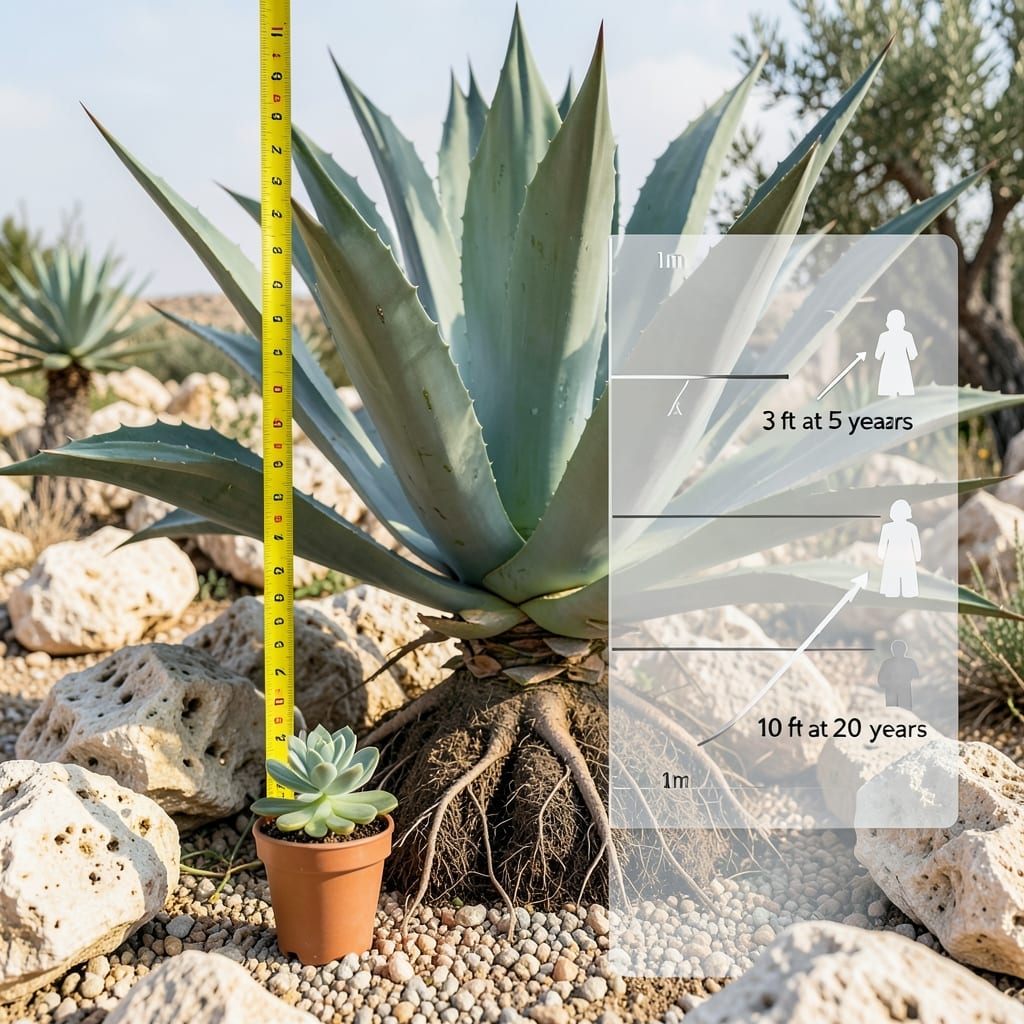
If you’ve ever wondered how tall can a succulent grow, the answer might surprise you—these plants range from tiny desk companions to towering giants that dwarf most houseplants. Whether you’re dreaming of a 🌵 garden or just curious about your current collection, understanding their growth potential is key to keeping them happy (and contained).
Some succulents, like the delicate Haworthia, stay compact at just a few inches, while others, such as the majestic Agave americana, can stretch up to 10 feet tall—yes, taller than most people! The secret lies in their species, care routine, and environment, all of which we’ll break down to help you predict (and control) their height.
Light, soil, and watering habits play a huge role in whether your succulent stays petite or shoots for the sky. With the right tips, you can encourage lush growth in small spaces or rein in overzealous varieties. Let’s explore how to nurture your 🌵—no matter how big (or small) you want it to be.
From dwarf varieties perfect for windowsills to sun-loving giants that thrive in landscapes, we’ll cover everything you need to know. Ready to transform your green thumb into a growth expert? Let’s get started!


Succulent growth heights by variety: from teaspoons to trees
Succulents are famous for their compact sizes, but some varieties can reach surprising heights—even 10 feet in ideal conditions! The key lies in their species-specific growth patterns. Dwarf varieties like Haworthia stay tiny, while giants like Agave americana grow like small trees. Understanding these ranges helps you choose the perfect 🌵 for your space.
Most succulents fall into three height categories: dwarf (1-6 inches), medium (6-36 inches), or towering (3+ feet). Your choice depends on whether you want a windowsill gem or a landscape statement plant. Let’s explore the extremes—and everything in between.
📊 Here’s a quick guide to mature heights for popular varieties:
| Variety | Mature Height | Growth Timeline | Best For |
|---|---|---|---|
| Haworthia (Zebra Plant) | 2–4 inches | 1–2 years | Desks, shelves |
| Echeveria (Mexican Hens & Chicks) | 6–12 inches | 2–3 years | Containers, rock gardens |
| Jade Plant (Crassula ovata) | 3–5 feet | 5–10 years | Indoor trees, bonsai |
| Agave americana (Century Plant) | 6–10 feet | 10–20 years | Xeriscapes, desert gardens |
| Aloe vera | 2–3 feet | 3–5 years | Kitchens, patios |
| Snake Plant (Sansevieria) | 1–4 feet | 2–4 years | Low-light corners |
Even dwarf succulents like Haworthia can offset and multiply, creating lush clusters. Meanwhile, Agave and Jade Plants grow slowly but steadily—patience is key! If you’re short on space, prune or propagate to keep them manageable.
For fast-growing varieties, like Kalanchoe or Sedum, expect 6–12 inches per year with ideal care. These thrive in bright light and well-draining soil, making them perfect for sunny windowsills or outdoor containers.
If you’re growing succulents outdoors, taller varieties like Agave or Yucca can dominate landscapes. Pair them with ground covers to soften their bold presence. In containers, root-bound plants often grow taller as they stretch for light.
Pro tip: Rotate your pots every few weeks to ensure even growth. This prevents leggy, stretched stems and keeps your succulents compact and healthy. A little care goes a long way in controlling height!
Now that you know the height potential of your favorite 🌵, let’s dive into what controls their growth—and how to tailor care to your space. Ready to take charge of your succulent’s size?
What determines a succulent’s height? Key factors to control growth
Your succulent’s height potential isn’t just about its species—it’s a mix of genetics, environment, and care habits. While some varieties are naturally dwarf or towering, others respond dramatically to light exposure, pot size, and watering routines. Let’s break down the biggest influencers so you can shape your succulent’s growth to fit your space.
First, sunlight is the #1 growth regulator. Succulents stretch toward light, creating leggy, weak stems when deprived. Place them in 6+ hours of direct sun daily to encourage compact, sturdy growth. Without enough light, even dwarf varieties like Haworthia can elongate unnaturally, reaching twice their normal height.
📊 Here’s how key factors affect height:
- Full sun (6+ hrs/day): Promotes thicker stems and shorter internodes
- Large pots (1+ gallons): Allows root expansion, supporting taller growth
- Balanced fertilizer (5-10-10): Fuels leafy, upright growth in fast growers like Kalanchoe
- Well-draining cactus mix: Prevents root stress, letting plants focus on upward growth
- Low light (≤4 hrs/day): Causes etiolation (stretched, weak stems)
- Small pots (≤4 inches): Root-bound stress stunts height but increases bushiness
- Overwatering: Leads to soft, floppy growth and rot, halting vertical expansion
- Cold drafts (below 50°F): Slows metabolism, reducing growth rate by 50%
- Rotate pots weekly to prevent one-sided stretching
- Top-dress with gravel to reduce evaporation and encourage deeper roots
- Prune leggy stems at the base to promote bushier growth
- Use grow lights for 12+ hours/day if natural light is limited
Did you know? Agave americana can grow 2–3 feet per year in ideal desert conditions—but the same plant in a shady indoor spot might only reach 6 inches in 5 years. The difference? Light exposure and temperature. Even dwarf varieties like Gasteria can double in height if given bright, indirect light.
For container-grown succulents, pot size matters more than you think. A Jade Plant in a 1-gallon pot may max out at 3 feet, while the same plant in a 5-gallon container could reach 5 feet with enough light. The rule of thumb: Upgrade pots by 2 inches every 2–3 years to support steady growth.
Watering habits also play a sneaky role. Overwatering doesn’t just cause rot—it stunts vertical growth by forcing energy into root repair instead of stem elongation. Conversely, deep watering every 3–4 weeks encourages taller, stronger stems in varieties like Sedum. The secret? Let the soil dry completely between waterings to trigger natural growth spurts.
If you’re growing succulents outdoors, soil type becomes a game-changer. Fast-draining mixes (like 50% sand) help plants establish deep roots quickly, while clay-heavy soil can restrict growth by holding too much moisture. Amend native soil with perlite or pumice to boost height potential in heavy-clay areas.
Ready to take control? Start by auditing your succulent’s light—move it closer to a south-facing window or add a grow light if needed. Then, adjust your pot size and watering schedule based on the variety. With these tweaks, you’ll shape your succulent’s height like a pro—whether you want a tiny tabletop gem or a room-filling giant.