
Size
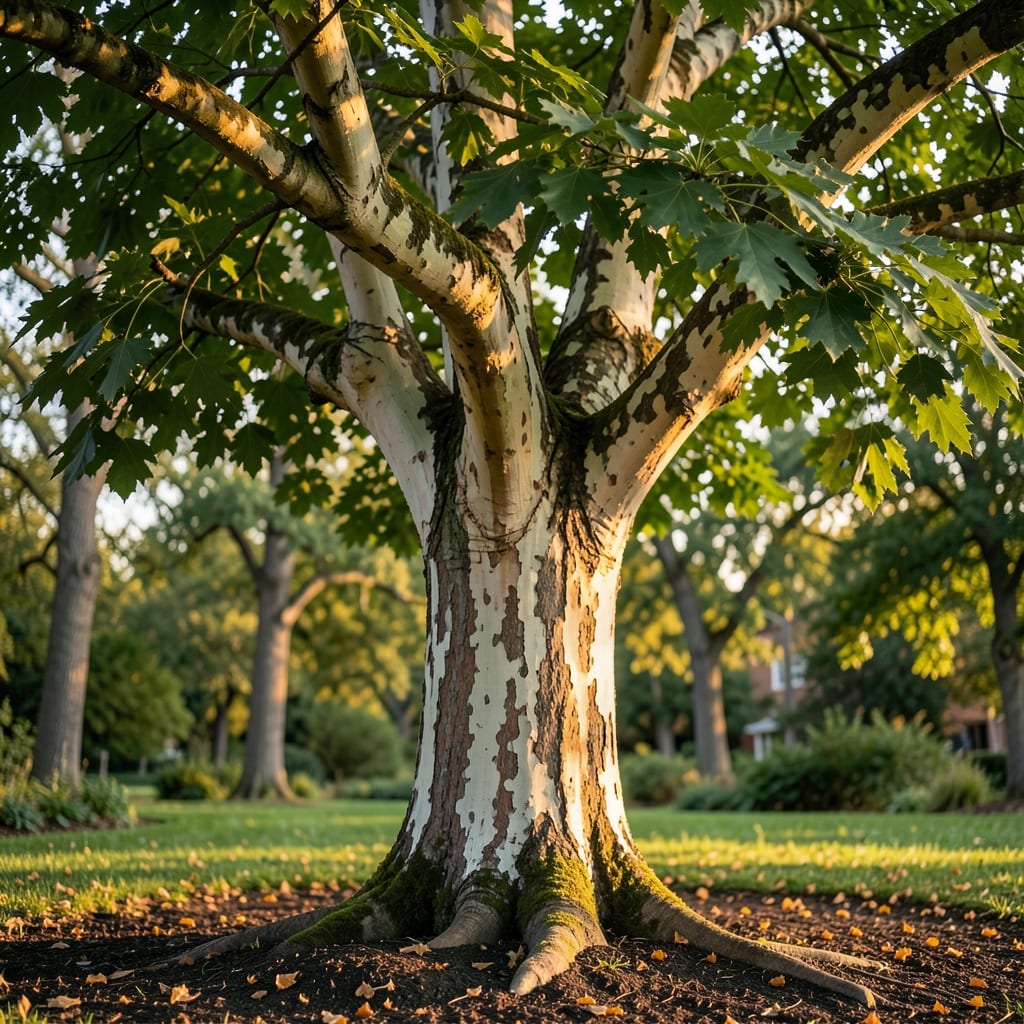
If you’ve ever gazed up at a sycamore tree 🌳 and wondered just how tall it could grow, you’re not alone. These majestic giants can reach heights that seem almost impossible—some towering over 100 feet with trunks wider than a car! But what makes them grow so massive, and how can you encourage their impressive stature in your own landscape?
The answer lies in their natural growth patterns and environmental conditions. Sycamore trees, like the American sycamore (Platanus occidentalis) or the London plane (Platanus × acerifolia), are among the fastest-growing hardwoods, capable of adding 3 to 6 feet per year under ideal conditions. With the right soil, sunlight, and space, they can easily surpass the height of a 4-story building, making them a stunning but space-demanding addition to any yard.
But before you plant one, it’s worth understanding the factors that influence their growth. From soil quality to climate, every detail plays a role in determining just how tall your sycamore tree will become. Whether you’re dreaming of a shade-providing giant or just curious about their potential, this guide will help you navigate the ins and outs of sycamore tree growth.
Let’s dive into the science behind their towering heights and explore how you can create the perfect conditions for a sycamore tree that reaches its full potential—without overwhelming your landscape.


Sycamore tree height records: how tall can they really grow?
Sycamore trees are nature’s skyscrapers, with some varieties like the American sycamore (Platanus occidentalis) and London plane (Platanus × acerifolia) reaching heights that rival the tallest buildings. The world’s tallest recorded sycamore stands at a staggering 120 feet, while most mature specimens typically reach between 60 to 100 feet. These giants don’t just grow tall—they grow wide too, with canopies spanning 50 to 100 feet in diameter.
What makes sycamores grow so tall? It’s a combination of their fast growth rate, adaptability to diverse climates, and deep root systems that anchor them firmly. In ideal conditions, a sycamore can grow 3 to 5 feet per year during its prime years, though growth slows as the tree matures. Their height potential is often limited by space, competition for sunlight, and environmental stressors like drought or poor soil.
For comparison, a 100-foot sycamore is roughly the height of a 10-story building, making it one of the tallest deciduous trees in North America. These trees aren’t just tall—they’re also long-lived, with some specimens exceeding 500 years in age. Their ability to thrive in urban environments, combined with their impressive height, makes them a favorite for parks and large landscapes.
🌳
The London plane often outgrows the American sycamore, with some urban specimens reaching heights of 120 feet or more. These trees thrive in cities because of their air-purifying bark and tolerance for pollution, making them a popular choice for urban landscapes. Their height isn’t just about genetics—it’s also about the environment. Trees planted in open spaces with full sun and well-draining soil will grow taller than those in crowded or nutrient-poor conditions.
If you’re planting a sycamore in your yard, consider its mature height early in the planning process. A 100-foot tree needs ample space to avoid crowding other plants or structures. Always check local regulations, as some areas restrict planting tall trees near power lines or buildings. With the right conditions, your sycamore could one day be a neighborhood landmark!
For those curious about growth rates, young sycamores can add 2 to 4 feet per year in their first decade, though this slows as they age. Patience is key—it can take 20 to 30 years for a sycamore to reach its full height. But the wait is worth it for the shade, beauty, and wildlife habitat these giants provide.
🌿
Key factors that influence sycamore tree growth height
Sycamore trees grow to their impressive heights thanks to a mix of genetic potential and environmental conditions. While some varieties naturally reach 100+ feet, others may stay shorter due to limiting factors. Understanding these influences helps you create the perfect conditions for a towering sycamore—or manage its growth if space is limited.
The species you choose plays a huge role. The American sycamore (Platanus occidentalis) often grows taller than the London plane (Platanus × acerifolia), which tends to have a slightly broader canopy. Even within species, individual trees can vary by 20-30 feet based on genetics alone.
🌳 Sunlight is another critical factor—sycamores thrive in full sun (6+ hours daily) and grow 20-30% faster when exposed to direct light. In shadier conditions, their growth slows significantly, often resulting in shorter, wider trees. If you’re planting one in your yard, prioritize a south-facing location for optimal height potential.
- Genetics: Species and individual tree DNA determine max height (e.g., American sycamores often exceed 100 ft).
- Sunlight: Full sun (6+ hours) boosts growth by 20-30%; shade slows height gain.
- Soil Quality: Well-draining, nutrient-rich soil with pH 6.0-7.5 supports faster vertical growth.
- Water Availability: Deep watering (15-20 gallons weekly) during dry spells prevents stunted growth.
- Root Space: Adequate room (15-20 ft radius) prevents root competition, which limits height.
- Climate: Warm, humid climates (USDA Zones 5-9) encourage rapid growth; cold snaps can stunt early growth.
Soil quality is often underestimated but critical for height. Sycamores prefer well-draining, slightly acidic to neutral soil (pH 6.0-7.5). Compacted or waterlogged soil restricts root growth, which directly limits how tall the tree can become. To encourage height, amend heavy clay with compost or sand and avoid planting in low-lying areas where water pools.
Watering habits also impact vertical growth. Young sycamores need deep, infrequent watering (15-20 gallons weekly) to establish strong root systems. Once established, they’re drought-tolerant but may grow 10-15% shorter in dry conditions. Mulching around the base with 3-4 inches of organic mulch helps retain moisture and encourages deeper root penetration, which supports taller growth.
Finally, pruning practices can influence height. While sycamores don’t require heavy pruning, removing low-hanging branches early can redirect energy upward, promoting taller growth. Avoid topping (cutting the top flat), as this stresses the tree and often leads to weaker, shorter growth patterns. For maximum height, focus on structural pruning to maintain a single, strong leader.
By paying attention to these factors, you can help your sycamore reach its full potential—or keep it manageable if space is a concern. Whether you’re aiming for a 100-foot giant or a more compact specimen, understanding these influences gives you control over the outcome. 🪴