
How To
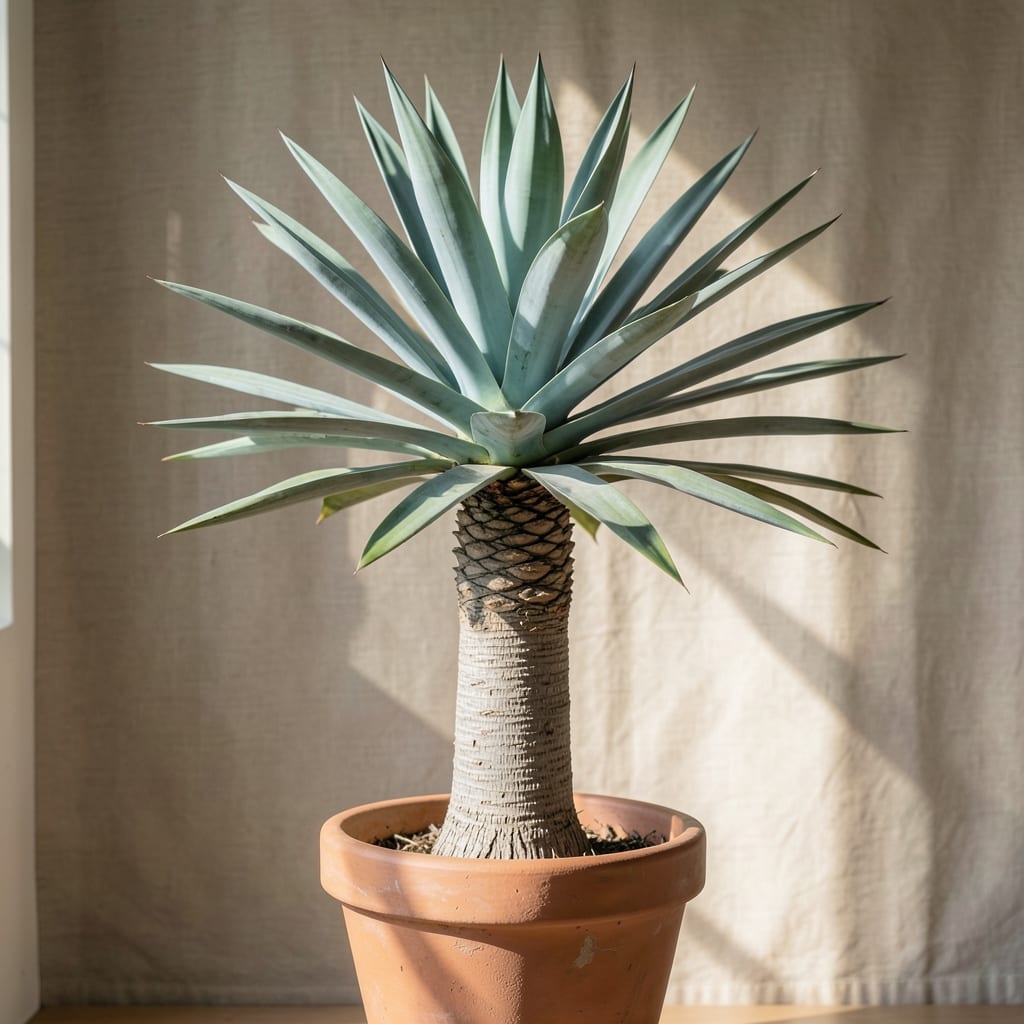
If you're dreaming of adding a striking yucca 🌵 to your landscape, you might be wondering just how tall these architectural plants can grow. The answer varies wildly—from compact shrubs under 4 feet to towering giants that reach 30 feet or more, making them a game-changer for both small gardens and expansive yards.
Not all yucca varieties follow the same growth path, which is why knowing the exact species matters. Some, like the popular Yucca filamentosa, stay neatly under 6 feet, perfect for borders or foundation plantings. Others, such as the Yucca rostrata, shoot up like skyscrapers, demanding space and sunlight to thrive. Your climate and soil play just as big a role as the plant itself.
Sunlight is the most important factor in determining how tall your yucca will grow. These plants crave full sun exposure—think 6+ hours daily—to fuel their vertical growth. Too little light, and you’ll end up with a leggy, weak specimen instead of the bold statement plant you envisioned. But don’t worry—even in USDA Zone 6a, with the right care, you can coax your yucca to reach its full potential.
Ready to transform your outdoor space? I’ll break down the exact heights of the most common yucca species, how sunlight affects their growth, and practical tips to keep them thriving—whether you’re working with a tiny balcony or a sprawling backyard. Let’s get started!


Yucca plant height by species: exact growth ranges and mature sizes
When planning your garden layout, knowing yucca height by species helps you choose the right variety for your space. Some yuccas stay compact at 3 feet tall, while others reach 30 feet or more, making them perfect for large landscapes or desert gardens. The key is selecting a species that matches your garden's size and climate.
Yuccas thrive in USDA Zones 4-10, but their mature height varies dramatically. For example, the Yucca brevifolia (Mojave yucca) grows 10-20 feet tall, while the Yucca filamentosa (Adam's needle) stays under 6 feet. Understanding these differences ensures you pick a yucca that fits your vision—whether you want a bold statement plant or a low-maintenance border.
| Species | Mature Height | Growth Rate | Ideal Climate |
|---|---|---|---|
| Yucca brevifolia (Mojave Yucca) | 10–20 ft | Slow to moderate | Arid, hot deserts |
| Yucca filamentosa (Adam's Needle) | 3–6 ft | Moderate | USDA Zones 4–9 |
| Yucca gigantea (Spanish Dagger) | 15–25 ft | Slow | USDA Zones 8–10 |
| Yucca rostrata (Beaked Yucca) | 10–15 ft | Moderate | Arid, rocky soils |
| Yucca gloriosa (Spanish Bayonet) | 4–8 ft | Moderate | USDA Zones 6–10 |
| Yucca recurvifolia (Needle Yucca) | 2–4 ft | Slow | USDA Zones 5–9 |
| Yucca whipplei (Our Lord's Candle) | 8–12 ft | Slow | USDA Zones 7–10 |
If you're working with a small garden, opt for dwarf varieties like Yucca recurvifolia or Yucca gloriosa, which stay under 4-8 feet tall. These are perfect for containers or as accent plants near patios. For larger properties, Yucca gigantea or Yucca brevifolia create stunning focal points with their towering heights.
Another factor influencing yucca height is your climate. In hot, arid regions, yuccas grow taller and more robust due to intense sunlight. In cooler climates, growth may be slower, but with proper care, they still reach their full potential. For example, a Yucca filamentosa in Zone 5 might take 2-3 years longer to reach 6 feet compared to one in Zone 9.
When planting, give yuccas plenty of space. A 10-foot yucca needs at least 6-8 feet of clearance around it to prevent overcrowding. If you're unsure about spacing, check the mature height of your chosen species and add 2-3 feet extra for root spread. This ensures healthy growth and reduces the need for future pruning.
For container gardening, stick to smaller species like Yucca recurvifolia or Yucca gloriosa. These thrive in pots and can be moved easily, making them ideal for balconies or small yards. Just ensure the container has drainage holes and use a well-draining cactus mix to prevent root rot.
One common mistake is assuming all yuccas grow tall. In reality, many stay under 6 feet, making them versatile for various garden styles. If you love the look
How sunlight affects Yucca growth: does more light mean taller plants?
Yuccas thrive in full sun, but their height isn’t just about sunlight exposure—it’s also about intensity and duration. Most species grow taller with 6+ hours of direct sun, but some varieties, like Yucca brevifolia, can stretch dramatically in arid climates with intense afternoon rays.
However, too much direct afternoon sun in hot climates can stress young plants, slowing their vertical growth. In these cases, partial shade (especially in summer) can encourage bushier growth instead of height spikes.
Here’s how sunlight impacts yucca growth—from stunted to sky-high:
| Sunlight Condition | Growth Impact | Best For |
|---|---|---|
| Full Sun (6+ hrs/day) | Max height potential (10–30 ft) | Arid climates, mature plants |
| Partial Sun (3–6 hrs/day) | Moderate height (3–10 ft), bushier | Cooler climates, young plants |
| Shade (<3 hrs/day) | Stunted growth (2–4 ft), leggy stems | Avoid—leads to weak plants |
| Intense Afternoon Sun | Slower height growth, thicker trunks | Hot desert regions |
For small gardens, prioritize dwarf varieties like Yucca elephantipes (6–10 ft) or Yucca flaccida (4–6 ft). These stay compact even in full sun. Meanwhile, tall species like Yucca rostrata (up to 30 ft) need wide spacing and open landscapes to avoid crowding.
Pro tip: If your yucca isn’t growing tall enough, check its soil drainage and watering habits. Overwatering can stunt growth, while well-draining soil and occasional deep watering encourage vertical expansion.
🌵