
How To
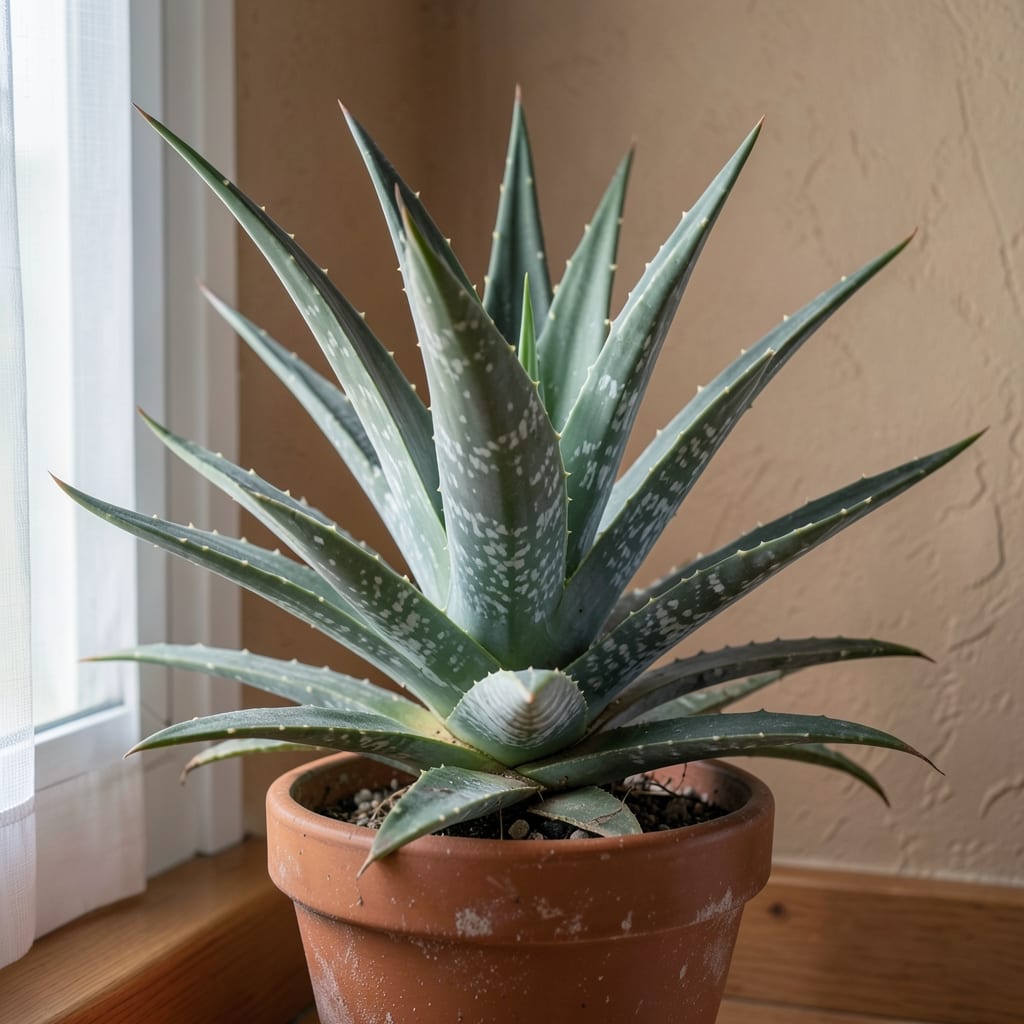
If you’ve ever wondered how tall can aloe vera grow as it stretches toward the sky like a sunflower, you’re not alone. The truth is, this popular succulent has a natural height range that can surprise even experienced plant parents—especially when you factor in container size and care habits.
Most Aloe Vera plants mature between 1-3 feet tall indoors, but with the right conditions (or the wrong ones), they can easily double that height outdoors. That’s right—your potted plant might be a modest 12 inches now, but left unchecked, it could reach 3 feet or more in just a few years.
The key to controlling its growth lies in understanding how your container size influences its upward reach. A cramped pot? Your aloe will stretch taller in search of space. Too much room? It might focus on spreading instead. Let’s break down the secrets to keeping your 🌱 Aloe Vera at your ideal height—without sacrificing its health.
Whether you’re dealing with a 6a zone climate or indoor conditions, these tips will help you manage its growth naturally. Ready to stop the ceiling-reaching and start shaping your plant’s future? Let’s get started.

Natural aloe vera height limits: how tall can it grow indoors vs outdoors?
Aloe vera's natural height varies dramatically between indoor and outdoor environments. In controlled indoor spaces, most varieties like Aloe barbadensis reach 12-36 inches at maturity. Outdoors, however, they can stretch to 3-6 feet with ideal conditions. This difference comes down to sunlight exposure, temperature, and space availability.
Your aloe's genetic potential plays a role too. The Aloe arborescens variety, for example, naturally grows taller than standard aloe vera, often reaching 4-5 feet outdoors. Understanding these limits helps you set realistic expectations for your plant's growth trajectory.
The indoor-outdoor height gap isn't just about genetics—it's about environmental stress. Indoor plants often grow slower due to limited sunlight and smaller containers, while outdoor plants bask in full sun and spread their roots freely.
| Growth Factor | Indoor Height Range | Outdoor Height Range | Key Influencer |
|---|---|---|---|
| Genetic Potential | 12-36 inches | 3-6 feet | Species variety |
| Sunlight Exposure | Slower growth | Rapid vertical growth | 6+ hours direct sun |
| Container Size | Restricts height | Unrestricted growth | Root space |
| Temperature | Slower in <60°F | Faster in 70-90°F | Optimal warmth |
| Humidity | Slower growth | Faster growth | 30-50% ideal |
Your aloe vera's growth rate also depends on its age. In the first year, expect 6-12 inches of growth. By year two, it typically doubles to 1-2 feet. After three years, outdoor plants may reach their maximum height of 3-6 feet, while indoor plants plateau around 2-3 feet.
One common misconception is that all aloe vera plants grow equally. In reality, container-bound plants often grow taller and leggier as they stretch toward light. This "etiolation" occurs when roots are restricted, forcing the plant to prioritize vertical growth over leaf development.
Outdoor aloe vera thrives in USDA zones 8-11, where warm temperatures and abundant sunlight accelerate growth. In cooler zones, growth slows significantly, often resulting in shorter, bushier plants. If you're in zone 7 or below, consider growing aloe vera as a houseplant or in containers you can move indoors during winter.
Light exposure is the single biggest factor in determining your aloe's height. Plants receiving 6+ hours of direct sunlight grow significantly taller than those with indirect light. A south-facing window provides the best indoor light, while outdoor plants basking in full sun reach their genetic height potential.
Temperature plays a subtle but important role. Aloe vera grows best between 55-80°F. Below 50°F, growth slows dramatically, while temperatures above 90°F can cause leaf scorch. In hot climates, your plant may grow faster but require more frequent watering to maintain health.
Finally, remember that healthy aloe vera isn't just about height—it's about leaf thickness and color. A plant growing too tall with thin, pale leaves is likely light-deprived or root-bound. Aim for compact, vibrant plants by providing proper care and container size.
Container size secrets: how to control aloe vera height with pot selection
Your aloe vera's height isn't just about genetics—it's heavily influenced by the container size you choose. A pot that's too small forces roots to compete for space, triggering vertical growth as the plant stretches toward light. This is why many indoor aloe vera plants grow taller than 3 feet when confined to 6-inch pots. The solution? Selecting the right pot dimensions at each growth stage.
For seedlings, start with a 4-inch pot to encourage root development. As your plant grows to 12-18 inches, upgrade to an 8-inch pot. Mature aloe vera (2-3 feet tall) thrives in 10-12 inch containers, giving roots room to spread without restricting upward growth. The deeper the pot, the more stable your plant will be—aloe vera roots grow vertically, so depth matters more than width.
Here’s how container size directly impacts height:
| Pot Size | Stage | Height Impact | Best For |
|---|---|---|---|
| 4-inch | Seedlings | Encourages compact growth | First 6 months |
| 6-inch | Young plants | Moderate height (12-24 inches) | 6-18 months |
| 8-inch | Mature plants | Controls height (2-3 feet) | 18+ months |
| 10-12 inch | Large plants | Minimizes vertical stretch | 3+ years |
Material matters too. Terracotta pots wick away moisture and prevent root rot, but their porous nature can dry out soil faster, encouraging faster vertical growth as the plant seeks hydration. Plastic pots, on the other hand, retain moisture longer, which can slow growth slightly but requires precise watering to avoid overwatering. For height control, terracotta is ideal—it mimics outdoor conditions by allowing roots to dry slightly between waterings, promoting a stockier growth habit.
Drainage holes are non-negotiable. Without them, roots suffocate, leading to stunted growth or excessive height as the plant struggles to escape poor conditions. If repotting, always choose containers with 4+ drainage holes to prevent waterlogging. Pro tip: Elevate pots on feet or saucers to improve airflow and reduce fungal risks that can weaken your plant.
One common mistake? Underestimating root space. Aloe vera roots can grow twice as deep as the plant’s height. A 2-foot-tall aloe needs a pot with 4+ inches of depth to support its root system. Shallow pots force roots upward, causing the plant to lean or grow taller. Always measure your pot’s depth before purchasing—it’s the secret to keeping your aloe vera compact and healthy.
Finally, rotate your pots quarter-turns every 2-3 weeks to prevent lopsided growth. Aloe vera leans toward light sources, so uneven exposure can cause your plant to tilt or stretch unnaturally. With the right container and care, you’ll keep your aloe vera at your desired height—whether that’s a compact 18-inch desk plant or a tall 3-foot statement piece.