
How To
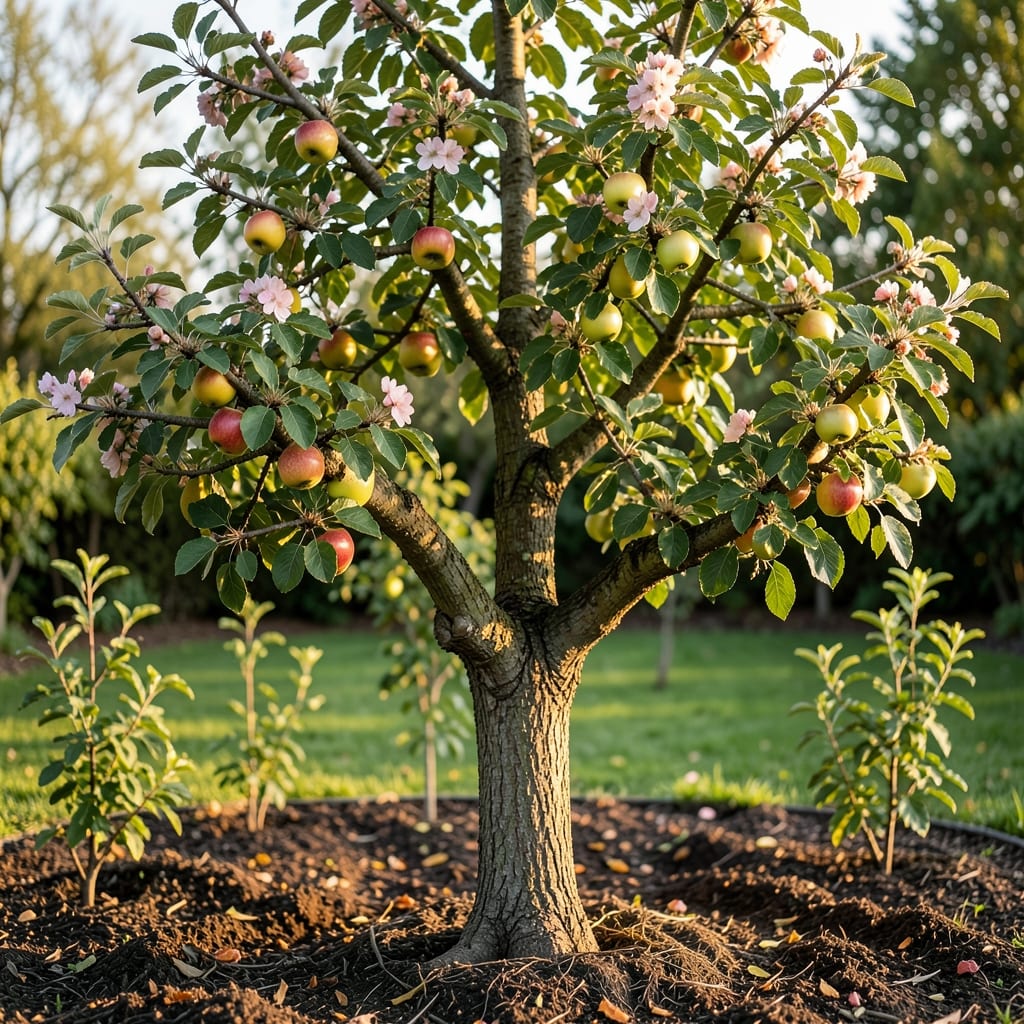
Wondering how tall an apple tree 🍎 can grow? The answer might surprise you—some varieties stretch toward the sky like skyscrapers, while others stay neatly tucked in your backyard like a well-behaved shrub.
If you're dreaming of homegrown apples but worried about space, you're in the right place. The height of your apple tree depends on its type: dwarf varieties top out at just 6-12 feet, while standard trees can soar 20-40 feet tall—taller than most two-story houses! The choice you make now will shape your garden for years to come.
Rootstock plays a huge role in size, but so do pruning habits and your local climate. We'll break down the differences between dwarf, semi-dwarf, and standard trees, plus share space-saving tips to fit apples into even the smallest yards. Ready to find the perfect fit for your garden?
Whether you're a city dweller with a tiny balcony or a rural homesteader with acres, there's an apple tree size that works for you. Let's explore how to pick the right one and keep it thriving—no matter how tall (or short) you want it to grow.

Apple tree height variations: dwarf, semi-dwarf, and standard tree sizes explained
Apple trees aren’t one-size-fits-all—their height can vary dramatically based on the rootstock they’re grafted onto. This means a Gala apple tree on a dwarf rootstock will stay compact, while the same variety on a standard rootstock could reach for the sky. Understanding these differences helps you choose the perfect tree for your space and goals.
The three main height categories—dwarf, semi-dwarf, and standard—each offer unique benefits. Dwarf trees top out at 6-12 feet, making them ideal for small yards or containers. Semi-dwarf trees grow 12-20 feet, striking a balance between manageable size and higher yields. Standard trees, the giants of the group, can soar 20-40 feet tall, dominating landscapes but requiring serious space.
Here’s how these categories break down in real-world terms: a dwarf 'Red Delicious' might fit neatly in your backyard corner, while a standard 'Granny Smith' could become a backyard landmark. The rootstock isn’t just about height—it also affects fruit production, cold hardiness, and how often you’ll need to prune. Let’s dive into the specifics so you can pick the perfect fit for your garden.
🌱
| Type | Mature Height | Rootstock Examples | Yield Potential | Pruning Needs |
|---|---|---|---|---|
| Dwarf | 6-12 ft | M.9, B.9 | Moderate (smaller trees) | Frequent (3-4x/year) |
| Semi-Dwarf | 12-20 ft | MM.106, MM.111 | High (balanced size) | Moderate (2-3x/year) |
| Standard | 20-40 ft | Seedling, Antonovka | Very High (large trees) | Minimal (1-2x/year) |
The rootstock you choose is the foundation of your apple tree’s future size. For example, the M.9 rootstock is a popular dwarf option that keeps trees under 10 feet, while MM.111 produces semi-dwarf trees that reach 15-20 feet. Standard trees often use seedling rootstock, which can grow unchecked without proper pruning, leading to those towering 30-40 foot giants.
If you’re growing apples in a small urban yard, a dwarf tree on M.9 rootstock is your best bet. These trees fruit earlier (often in 2-3 years instead of 5-7) and produce smaller, more manageable branches. However, they may have slightly lower yields compared to their taller counterparts. For a balanced approach, semi-dwarf trees offer a happy medium—larger harvests with less space commitment than standard trees.
Climate also plays a role in height management. In warmer regions, apple trees tend to grow faster and taller, while colder climates can stunt growth slightly. Additionally, pruning habits can influence a tree’s final height. Even a dwarf tree left unpruned can grow taller over time, while aggressive pruning can keep a standard tree more compact. Regular pruning also improves airflow, reducing disease risk and boosting fruit quality.
Popular varieties like 'Honeycrisp' or 'Fuji' are often sold on dwarf or semi-dwarf rootstocks to fit home gardens. Meanwhile, heritage varieties like 'Ashmead’s Kernel' or 'Cox’s Orange Pippin' are frequently grown on standard rootstocks for their robust growth and historic charm. When shopping, always check the rootstock details—it’s the key to controlling your tree’s ultimate height.
🌳
Another factor to consider is the spread of the tree, which can be just as important as height. Dwarf trees might only spread 4-6 feet, while standard trees can reach 20-30 feet wide. This means even if you have space for a standard tree’s height, you might not have room for its width. Always measure your space carefully before planting, and consider espalier training if you want to grow a standard tree in a tight spot.
Finally, remember that soil quality and watering practices also impact growth. Well-draining, nutrient-rich soil encourages healthy root development, which in turn supports the tree’s structural integrity. Consistent watering (especially during the first few years) helps prevent stress that could lead to stunted growth or weak branches. With the right care, even a dwarf tree can thrive and produce bountiful harvests year after year.
Space-saving tips for growing apple trees in small gardens or urban yards
If you love the idea of homegrown apples but think your space is too small, think again! With the right techniques, you can grow apple trees in even the tiniest yards or urban balconies. The key lies in space-saving strategies like espalier training, container growing, and smart orchard layouts. These methods let you enjoy fresh fruit without sacrificing your garden’s layout or aesthetics.
First, consider dwarf apple trees on M.9 or B.9 rootstock, which stay under 10 feet tall. These are perfect for containers or small garden corners. Pair them with espalier training—a technique that flattens the tree against a fence or wall, saving space while creating a beautiful, artistic focal point. Even semi-dwarf trees (12-20 feet) can fit in compact spaces with careful planning.
🌱
- 1. Espalier Training: Train branches horizontally or vertically along a fence/wall, reducing width by 50-70%. Ideal for dwarf trees in 6-10 ft spaces.
- 2. Container Growing: Use large pots (15+ gallons) for dwarf trees. Place near south-facing walls for extra warmth. Rotate pots monthly for even growth.
- 3. Multi-Use Orchard Layout: Combine fruit trees with companion plants (e.g., herbs under trees) to maximize vertical space. Dwarf trees work well in raised beds or keyhole gardens.
- 4. Vertical Gardening: Use trellises or apple tree cages to guide growth upward. Perfect for balconies or patios with limited floor space.
- 5. Undercropping: Plant shallow-rooted veggies (e.g., lettuce, strawberries) beneath dwarf trees. Avoid deep-rooted plants to prevent competition.
For espalier training, start by selecting a young tree and pruning it to create a central leader. Then, guide branches along wires or a fence, securing them with soft ties. This method works best with dwarf or semi-dwarf trees and can produce fruit on branches trained just 3-4 feet off the ground—perfect for easy picking. Just
If you’re growing in containers, choose a pot at least 18 inches deep and wide to accommodate roots. Use a well-draining potting mix with added compost, and water consistently—container-grown trees dry out faster than in-ground plants. Place your pot in a sunny spot (at least 6 hours of sunlight daily) and rotate it occasionally to prevent the tree from leaning toward the light.
Another clever trick is to stack multiple trees vertically using a cage or trellis system. This works especially well in urban settings where floor space is limited. For example, you could train three dwarf apple trees at different heights on a single trellis, creating a lush, multi-level display. Just ensure each tree has enough space between branches to avoid overcrowding.
Don’t overlook the power of companion planting to make the most of your space. Underneath your apple tree, you can grow shallow-rooted herbs like thyme or oregano, which thrive in the dappled shade. Avoid planting competitive root systems (like grasses or deep-rooted perennials) that could steal nutrients from your tree. With a little creativity, your small garden can become a productive, multi-functional orchard.
🪴