
Companion Plants
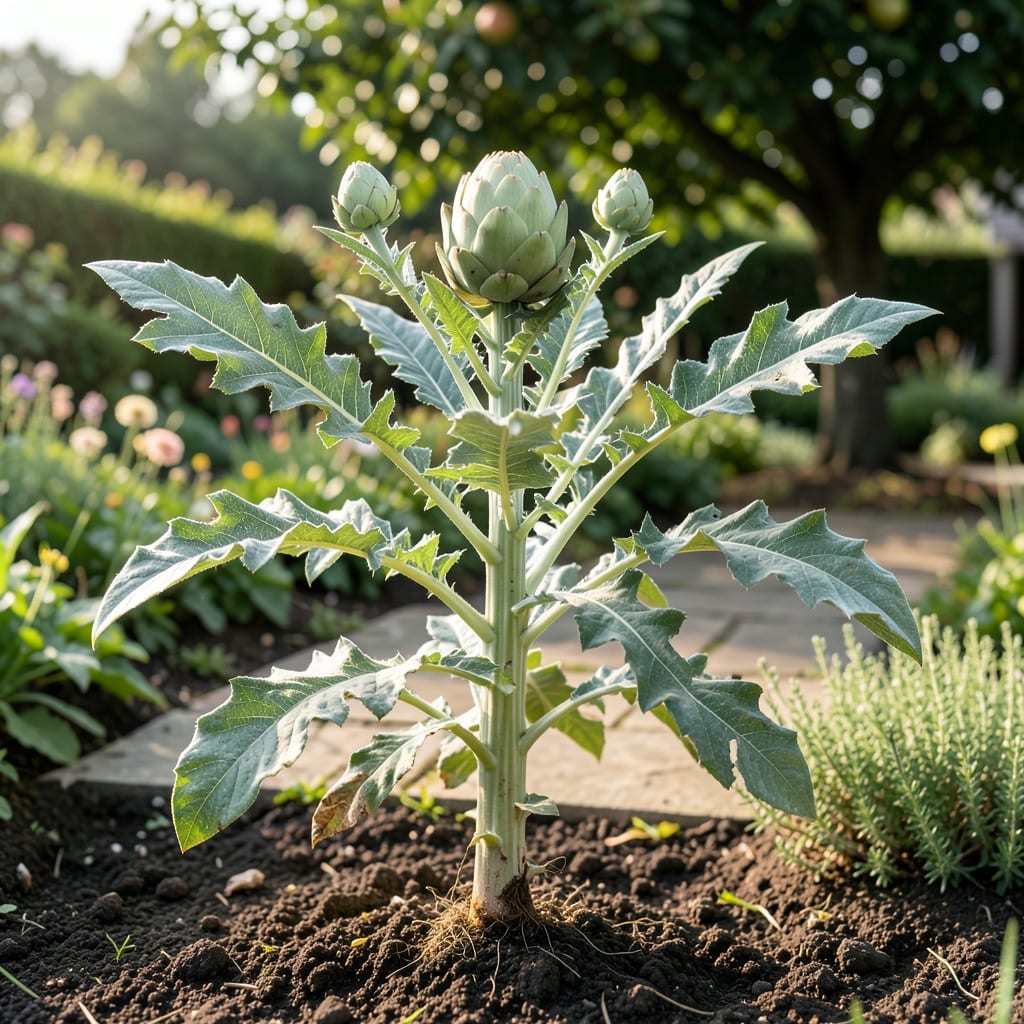
Wondering if your garden has room for an artichoke plant that can grow up to 6 feet tall or if you should stick to compact varieties? The answer depends on the type you choose—because some artichokes grow like skyscrapers while others stay neatly contained. 🌱
Globe artichokes, like the classic 'Green Globe,' typically reach 4-6 feet tall, while dwarf varieties like 'Small Wonder' max out around 3-4 feet. That height difference can change how you plan your garden layout, especially in smaller spaces.
But here’s the thing: height isn’t just about space—it also affects yield, disease risk, and even how much pruning you’ll need. I’ll break down the best varieties for your garden size and share pro tips to keep your artichokes thriving, no matter how tall they grow.
Ready to pick the perfect artichoke for your plot? Let’s dive into the details so you can grow confidently—whether you’re working with a backyard or a balcony garden.


Artichoke plant height by variety: from dwarf to towering giants
Artichoke plants vary dramatically in height, with some varieties reaching 6 feet while others stay under 3 feet. The difference comes down to genetics and growth habits—whether they’re globe types, Romanesco, or dwarf varieties. Choosing the right size for your garden can mean the difference between a lush harvest and a space struggle.
Most home gardeners grow globe artichokes like 'Green Globe' or 'Imperial Star,' which typically hit 4-6 feet tall. These are the classic varieties you’ll find at farmers' markets, but they need room to spread. Dwarf varieties, like 'Small Wonder' or 'Baby Blue,' stay between 2-3 feet, making them ideal for containers or small gardens.
Jerusalem artichokes (also called sunchokes) are a different story—they can grow up to 10 feet tall in ideal conditions, though they’re not true artichokes. Their towering stalks make them better suited for large plots or as a windbreak rather than a backyard vegetable patch.
Here’s how to match your garden space to the right variety—because height isn’t just about aesthetics; it affects yield, ease of harvest, and even disease risk.
| Variety | Mature Height | Growth Habit | Best For |
|---|---|---|---|
| Green Globe | 4–6 ft | Upright, bushy | Large gardens, full sun |
| Romanesco | 3–5 ft | Compact, bushy | Containers, small plots |
| Small Wonder | 2–3 ft | Dwarf, bushy | Balconies, small gardens |
| Baby Blue | 2–3 ft | Compact, upright | Containers, urban gardens |
| Jerusalem Artichoke | 5–10 ft | Tall, spreading | Large plots, windbreaks |
If you’re working with limited space, dwarf varieties like 'Small Wonder' are game-changers—they produce edible buds without taking over your garden. But if you have room to spare, taller varieties like 'Green Globe' reward you with larger, more abundant harvests.
Height also plays a role in pest and disease management. Taller plants can struggle with wind damage or fungal issues if they’re overcrowded. I’ll cover how to support your plants and keep them healthy in the next section—so you can grow tall without the hassle.
Pro tip: Check your USDA hardiness zone before planting. Some taller varieties may need extra support in windy areas, while dwarf types thrive in containers even in cooler climates.
Artichoke plant height by variety: from dwarf to towering giants
Artichoke plants come in a surprising range of heights, from compact dwarfs under 3 feet to towering giants that reach 6 feet or more. The variety you choose directly impacts your garden’s layout, yield potential, and even maintenance needs. For example, the popular 'Green Globe' variety typically grows 4-6 feet tall, while 'Small Wonder' stays a manageable 3-4 feet. 🌱
Understanding these height differences helps you plan spacing and support structures before planting. Taller varieties like 'Romanesco' (5-6 feet) need more room to avoid overcrowding, while dwarf types fit neatly into smaller gardens or containers. The key is matching your garden’s space to the plant’s mature height.
Here’s how the most common artichoke varieties stack up in terms of height and growth habits:
| Variety | Mature Height | Growth Habit | Best For |
|---|---|---|---|
| Green Globe | 4–6 ft | Upright, bushy | Large gardens, staking |
| Romanesco | 5–6 ft | Tall, slender | Trellises, vertical gardens |
| Small Wonder | 3–4 ft | Compact, bushy | Containers, small spaces |
| Imperial Star | 4–5 ft | Medium, upright | Balconies, raised beds |
Taller varieties like 'Green Globe' and 'Romanesco' thrive when given space to spread their roots and support for their height. These giants often produce larger buds but require staking or trellising to prevent toppling. In contrast, dwarf varieties like 'Small Wonder' are perfect for containers or small gardens, where space is limited.
Climate also plays a role in height. In warmer regions (USDA Zones 7-10), artichokes may grow 1-2 feet taller than in cooler climates (Zones 6-7). For example, a 'Green Globe' in Zone 8 might hit 6 feet, while the same variety in Zone 6 could max out at 4 feet. Always check your local growing conditions when selecting a variety. ✂️
If you’re short on space but love artichokes, consider Jerusalem artichokes, which grow 5-10 feet tall but produce edible tubers instead of buds. Their height makes them ideal for living fences or privacy screens, while still delivering a harvest. For traditional globe artichokes, prioritize varieties like 'Small Wonder' or 'Imperial Star' to keep your garden tidy without sacrificing flavor.