
Size
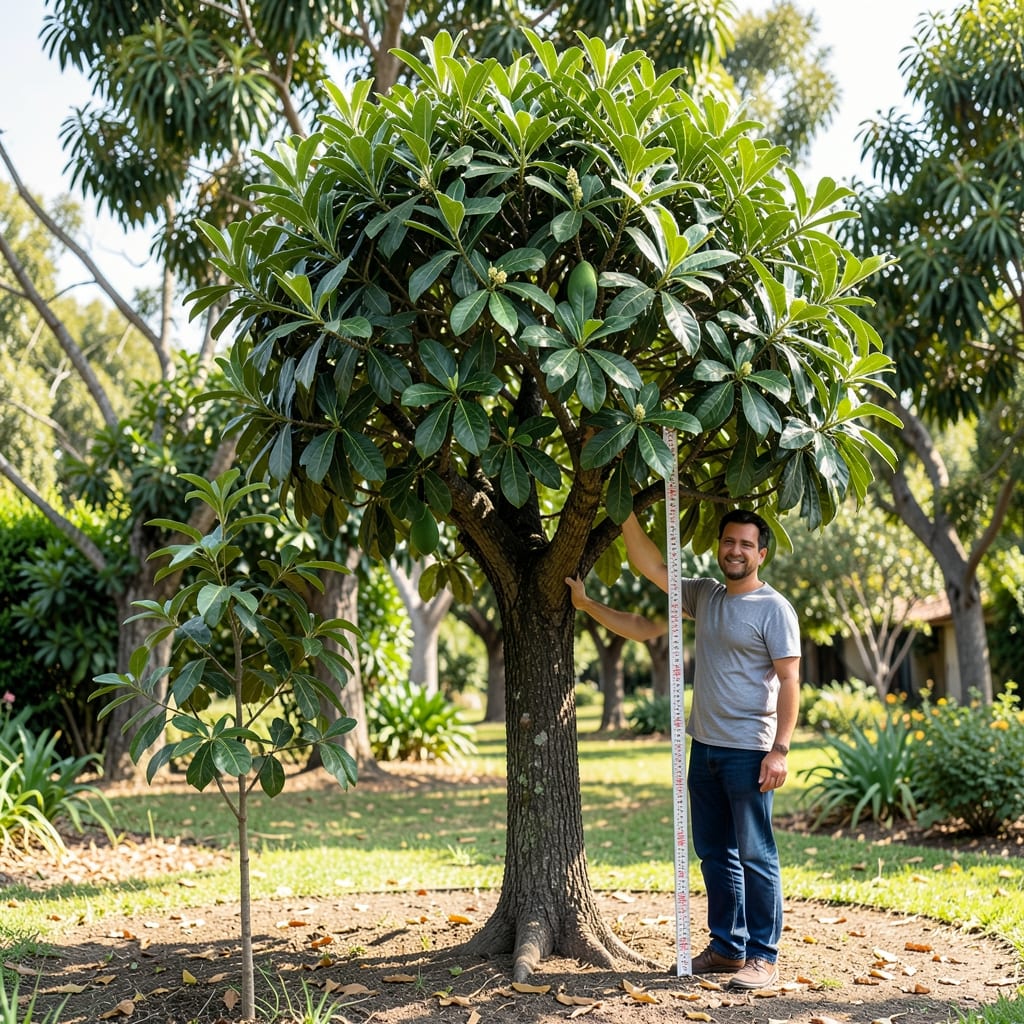
If you’ve ever wondered how tall avocado trees can grow, you’re not alone—but the reality might surprise you. Standard avocado trees can grow taller than a 3-story building, with some varieties stretching up to 40+ feet when left unchecked. That's not just a backyard feature; it's a statement piece that transforms your outdoor space into a tropical oasis.
But here's the catch: not all avocado trees are created equal. Whether you're working with a dwarf variety that stays compact or a full-grown giant that needs space to spread, understanding your tree's potential height is the key to planning your garden. The right care—like pruning, soil quality, and sunlight—can make all the difference between a manageable tree and one that outgrows your property.
What if you're short on space? Don't worry—there are ways to keep your avocado tree in check, even in containers. I'll show you how to choose the right variety, manage its growth, and still enjoy those creamy, dreamy avocados without sacrificing your backyard's layout. Let's dive into the details so you can grow the perfect tree for your space.
From small-space solutions to giant varieties that dominate landscapes, we'll cover everything you need to know about avocado tree heights. Whether you're a first-time grower or a seasoned gardener, this guide will help you make informed decisions. Ready to find out how tall your avocado tree can really grow?


Avocado tree height by variety: dwarf vs. standard vs. giant-sized trees
When it comes to avocado tree height, the variety you choose makes all the difference. Some can tower over your home, while others stay manageable even in small backyards. The Hass avocado, one of the most popular varieties, typically grows between 30 to 50 feet when planted in the ground. That’s taller than a basketball hoop and a small house combined!
But if you're dreaming of a compact avocado tree, dwarf varieties like Mexicola or Wurtz are your best bet. These stay between 10 to 20 feet, making them perfect for containers or urban gardens. The key difference? Dwarf varieties are often grafted onto smaller rootstocks, which naturally limits their height while still producing fruit.
Now, let’s talk about the giants. Varieties like Fuerte or Reed can reach heights of 40 to 60 feet in ideal conditions. These are the trees you’d find in commercial orchards or sprawling estates. If you’re planting one in your yard, make sure you have the space—and the patience—for a tree that could take 5 to 10 years to reach its full height.
Here’s the catch: even standard varieties can be pruned to stay smaller, but they’ll still need regular maintenance to keep their growth in check. If you’re unsure which variety to choose, consider your climate zone and available space. For example, dwarf varieties thrive in USDA zones 9-11, while standard trees need warmer climates to reach their full potential.
🌱 Avocado Tree Height Comparison
| Variety | Mature Height | Best For | Notes |
|---|---|---|---|
| Hass | 30–50 ft | Large yards | Most popular; needs space |
| Fuerte | 40–60 ft | Orchards | Large fruit; slow to mature |
| Reed | 35–55 ft | Warm climates | Cold-hardy; large leaves |
| Mexicola (Dwarf) | 10–20 ft | Containers | Grafted; compact |
| Wurtz (Dwarf) | 12–18 ft | Small yards | Cold-tolerant; slow-growing |
If you’re growing avocados in containers, even standard varieties can be kept smaller with the right care. However, their growth will still be limited by the pot size. For example, a 5-gallon container might keep a Hass tree around 6 to 10 feet tall, while a 15-gallon pot could support a height of 12 to 15 feet. The trade-off? Smaller pots mean fewer nutrients and slower growth.
Another factor to consider is rootstock. Trees grafted onto dwarfing rootstocks like Mexicola or Duke 7 will stay smaller, but they may produce fruit later than standard trees. If you’re impatient for avocados, a standard variety with regular pruning might be the way to go—just be prepared for a taller tree.
For those in cooler climates, varieties like Reed or Bacon are better choices. These can handle slightly lower temperatures and still grow tall, though they may not reach the same heights as tropical varieties. Always check your USDA zone before planting to avoid disappointment.
No matter which variety you choose, remember that height isn’t everything. A well-cared-for avocado tree—whether it’s a towering giant or a compact dwarf—can produce delicious fruit for decades. The secret? Consistent care, proper pruning, and patience. Next, we’ll dive into how to control your tree’s height so it fits perfectly in your space.
How to control avocado tree height: pruning, grafting, and growth hacks
If you're wondering how to control avocado tree height, the answer lies in a combination of pruning techniques, grafting methods, and smart growth management. Avocado trees are fast growers, but with the right approach, you can keep them at a manageable size—even in small gardens. The key is understanding when and how to intervene without harming the tree's health or fruit production.
Regular pruning is essential for managing height, especially in the first few years. By removing excess growth, you encourage a stronger structure and prevent the tree from becoming unruly. But timing matters—prune during the dormant season (late winter or early spring) to avoid stressing the tree when it's actively growing. This is when the tree is least vulnerable and can recover quickly.
For those with limited space, grafting onto dwarf rootstock is a game-changer. Dwarf varieties like the Mexican or West Indian rootstock can keep your avocado tree between 16-20 feet tall, making it perfect for containers or small yards. Grafting isn't difficult, but it does require some patience and precision. If you're new to grafting, start with a simple whip-and-tongue graft in early spring.
Prune in late winter to remove dead or weak branches. Use clean, sharp pruners to make cuts just above a bud or lateral branch. This encourages new growth in the right direction.
Thin out crowded branches to improve airflow and sunlight penetration. Focus on removing branches that rub against each other or grow inward. This reduces disease risk and promotes healthier fruit production.
Shape the tree early by training it to grow in a desired form, like an open-center or central leader. This makes future pruning easier and keeps the tree balanced. Use stakes or a trellis if needed for support.
Fertilize lightly in spring to encourage controlled growth. Over-fertilizing can lead to rapid, weak growth that’s harder to manage. Stick to a balanced 10-10-10 fertilizer applied every 6-8 weeks.
Monitor watering to avoid overgrowth. Deep, infrequent watering encourages stronger root development, which helps the tree stay stable and manageable. Avoid soggy soil, which can lead to weak, leggy growth.
Another growth hack is to limit water during the growing season if you want to slow down height increases. Avocados are drought-tolerant once established, so reducing water slightly can help control vertical growth without stressing the tree. Just be sure to maintain consistent moisture during dry spells to avoid fruit drop.
If you're growing your avocado in a container, height control becomes even easier. Regular pruning and root pruning (gently trimming roots when repotting) will keep the tree compact. Just
With these techniques, you can enjoy a healthy, manageable avocado tree that fits your space perfectly—whether you're aiming for a small container tree or a well-pruned standard variety. The secret is consistency: prune regularly, fertilize wisely, and give your tree the right conditions to thrive without taking over your garden. 🪴