
Size
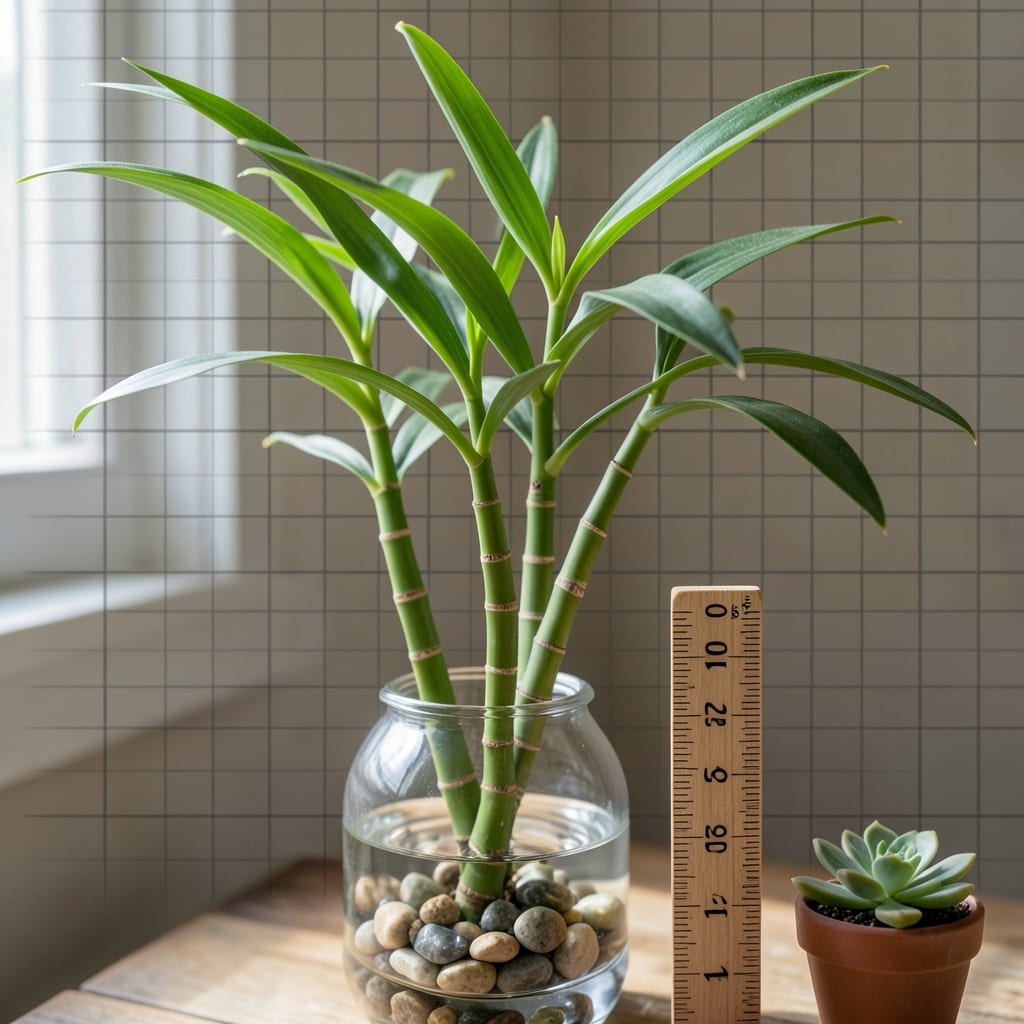
If you’ve ever wondered how tall bamboo can grow in a day, the answer might surprise you—some species can reach a staggering 3 feet in just 24 hours under the right conditions. That’s not a typo, and it’s not just a myth shared around campfires; it’s science-backed growth that turns a tiny sprout into a towering plant before your eyes.
But here’s the catch: not all bamboo grows this quickly, and the secret lies in a mix of species, climate, and care. Whether you’re dreaming of a privacy screen that sprouts overnight or just curious about nature’s speed demons, understanding these factors is the key to unlocking bamboo’s full potential. Let’s break down what makes this growth possible—and how you can encourage it in your own backyard or container garden.
From tropical giants like Dendrocalamus asper to hardy Phyllostachys varieties, different bamboo types have their own growth superpowers. Some hit their stride in the humid heat of Southeast Asia, while others thrive in cooler climates like USDA Zone 6a. The right soil, sunlight, and watering schedule can turn a modest plant into a daily growth champion.
Ready to discover how to nurture bamboo that grows like it’s in a race against time? We’ll cover the fastest-growing species, the ideal conditions to set them up for success, and practical tips to manage their explosive growth—without letting it take over your garden. Let’s get growing!


Fastest-growing bamboo species: daily growth records and species breakdown
When we talk about how tall bamboo can grow in a day, the numbers are mind-blowing. Some species can shoot up 3 feet or more in just 24 hours, thanks to their specialized vascular system that pumps nutrients and water at lightning speed. But not all bamboo is created equal—while some varieties grow like they’re in a race, others take their time. Let’s dive into the record-breakers and what makes them tick.
The fastest-growing bamboo species are typically found in tropical and subtropical climates, where warmth, humidity, and abundant water fuel their explosive growth. Dendrocalamus asper, for example, is a giant from Southeast Asia known for its 3-4 feet daily growth during peak season. This species can reach heights of over 100 feet in just a few years, making it a true growth champion.
| Species | Daily Growth Rate | Mature Height | Climate Zone | Growth Notes |
|---|---|---|---|---|
| Dendrocalamus asper | 3-4 ft/day | Up to 100 ft | Tropical | Fastest-growing; thrives in heat and humidity |
| Phyllostachys bambusoides | 1-2 ft/day | Up to 60 ft | Temperate | Hardy; grows well in USDA Zone 6a |
| Bambusa vulgaris | 2-3 ft/day | Up to 80 ft | Subtropical | Versatile; great for containers or landscapes |
| Phyllostachys aureosulcata | 1 ft/day | Up to 30 ft | Temperate | Dwarf variety; slower but manageable |
If you’re looking to grow bamboo that can double in height overnight, Dendrocalamus asper is your best bet—but it’s not the only option. Phyllostachys bambusoides, a popular choice for temperate climates, can still grow 1-2 feet per day during its peak season. This species is also cold-hardy, making it a great pick for gardeners in USDA Zone 6a or higher.
For those with limited space, Bambusa vulgaris is a fantastic middle-ground option. It grows at a steady 2-3 feet per day and is well-suited for container gardening, making it perfect for patios or balconies. Plus, its vibrant green canes add a tropical vibe to any setting without taking over your yard.
It’s important to note that bamboo’s daily growth rate isn’t consistent year-round. These record-breaking spurts typically happen during the spring and summer months, when temperatures are warm, days are long, and moisture is abundant. In cooler months or drought conditions, growth can slow to a crawl—or even halt entirely.
When selecting bamboo for your garden, consider not just its growth speed but also its spread habit. Running bamboo, like Phyllostachys species, spreads aggressively via underground rhizomes, while clumping bamboo, like Bambusa, stays put. If you’re worried about bamboo taking over, opt for clumping varieties or install rhizome barriers to contain running types.
One of the most fascinating aspects of bamboo’s growth is how it prioritizes vertical expansion over everything else. When conditions are ideal, bamboo can allocate up to 90% of its energy to growing taller, leaving little for root development or leaf production. This is why you might see bamboo shoots sprout like rockets before filling out with foliage.
To encourage this rapid growth in your own garden, focus on replicating the conditions these species thrive in. Full sun exposure, consistent moisture, and rich, well-draining soil are non-negotiables. In the next section, we’ll dive deeper into the optimal conditions that turn bamboo into a daily growth machine.
Optimal conditions for maximizing bamboo’s daily growth: sunlight, water, and soil secrets
To unlock bamboo’s record-breaking daily growth—sometimes up to 3 feet in 24 hours—you need to replicate its natural tropical or subtropical habitat. The key factors are sunlight exposure, consistent moisture, and nutrient-rich soil. Think of bamboo as a high-performance athlete that thrives when given the right fuel and environment.
Most fast-growing bamboo species, like Dendrocalamus asper or Phyllostachys bambusoides, demand 6+ hours of direct sunlight daily. Without enough light, their growth rate plummets—imagine trying to sprint in the dark. In cooler climates like USDA Zone 6a, supplement with a south-facing location to maximize sunlight absorption.
| Condition | Ideal Specification | Growth Impact |
|---|---|---|
| Sunlight | 6+ hours direct | ✅ 3x faster growth |
| Water | 1-2 inches weekly | ✅ Prevents stunted shoots |
| Soil pH | 5.5-7.0 | ✅ Maximizes nutrient uptake |
| Temperature | 70-90°F | ✅ Optimal metabolic rate |
Watering is where many gardeners trip up—bamboo isn’t just thirsty, it’s obsessively hydrated. Aim for 1-2 inches of water per week, delivered deeply to encourage strong root development. In containers, check soil moisture daily; bamboo in pots can dry out faster. A morning watering schedule prevents fungal issues from overnight dampness.
Soil quality is the foundation of rapid growth. Amend your garden with compost or aged manure to create a loose, well-draining mix. Bamboo hates soggy roots but loves nutrients, so a balanced 10-10-10 fertilizer applied every 4-6 weeks during growing seasons (spring and fall) keeps it fueled. For container plants, use a fast-draining potting mix with perlite.
Temperature plays a surprising role—most fast-growing species thrive in 70-90°F ranges. In cooler climates, young bamboo may grow slower until temperatures rise. If you’re in Zone 6a, plant in south-facing beds and use black plastic mulch to warm the soil faster in spring.
Pro tip: If your bamboo isn’t hitting its daily growth potential, check for root-bound conditions (especially in containers) or nutrient deficiencies. Yellowing leaves often signal a need for more nitrogen, while stunted growth might mean insufficient sunlight. With the right conditions, you’ll see those 3-foot daily gains before your eyes—just like bamboo in its native tropical forests.