
Trees
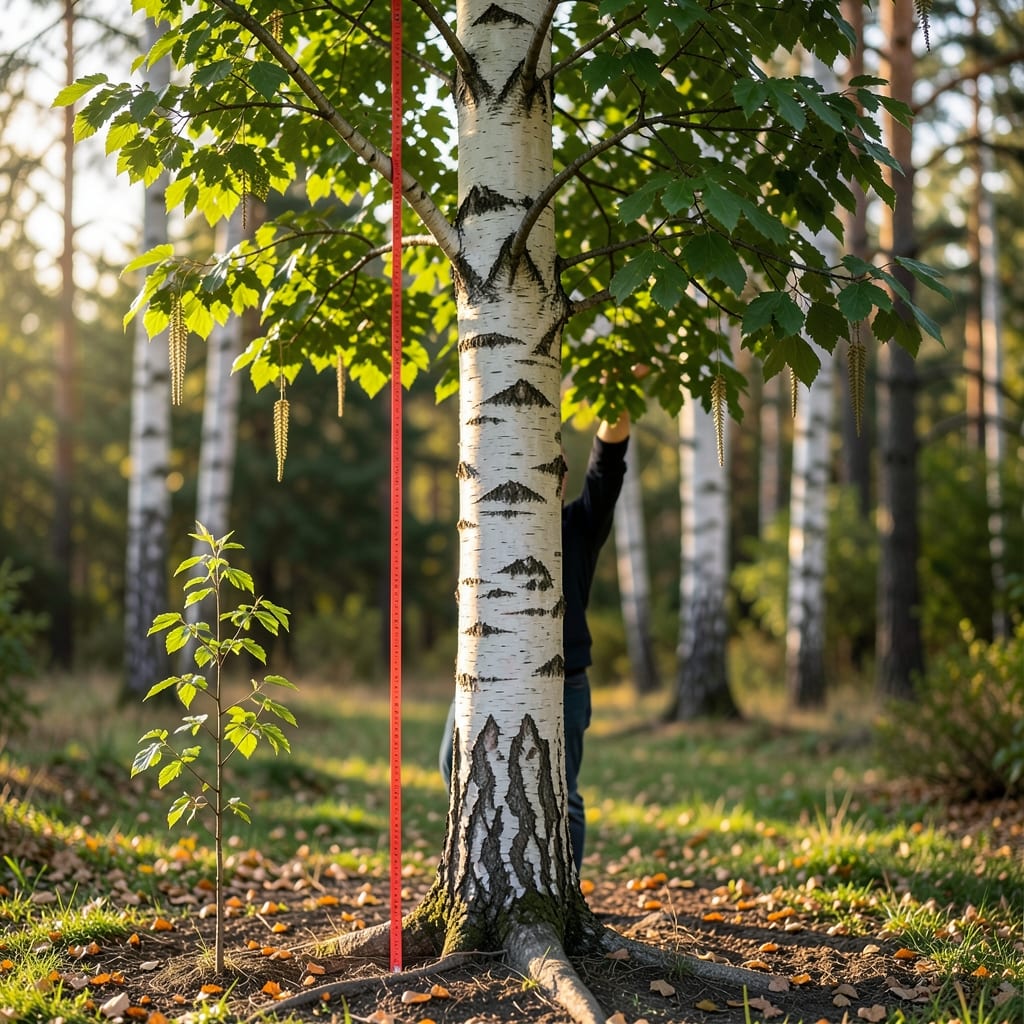
Wondering how tall can birch trees grow? If you’ve ever admired those graceful, white-barked giants swaying in the wind, you might be surprised to learn some varieties can stretch taller than a 7-story building—while others stay compact enough for smaller yards.
Birch trees are famous for their striking beauty, but their height varies wildly depending on the species. From the towering paper birch reaching 70 feet to the more modest river birch topping out at 40 feet, your choice of tree could dramatically change your landscape. Let’s break down the heights you can expect and what factors influence their growth.
Climate, soil quality, and sunlight all play a role in determining just how tall your birch tree will become. In USDA Zone 6a, where many gardeners plant these trees, proper care can help them reach their full potential—or even exceed it. Whether you’re dreaming of a shade-providing giant or a charming accent tree, understanding these growth habits is key.
Ready to learn which birch species thrive best in your area and how to encourage healthy growth? I’ll share expert tips to help your birch tree flourish, no matter how tall you want it to be.


Birch tree height by species: tallest varieties & their growth limits
Birch trees are famous for their striking white bark and delicate branches, but their height potential varies dramatically by species. If you’re planning to plant one, knowing these differences will help you choose the perfect fit for your space. The paper birch (Betula papyrifera) often steals the show with its 70-foot height, while other varieties like the yellow birch (Betula alleghaniensis) typically reach 60-75 feet under ideal conditions.
For those with smaller yards, the dwarf varieties like ‘Fastigiata’ or ‘Pendula’ offer a more manageable 15-25 feet height while still delivering that signature birch charm. Even in USDA Zone 6a, where many gardeners live, these trees can thrive—though their growth rate depends on soil quality, sunlight, and care.
Here’s a quick look at how birch species compare in terms of height, growth rate, and ideal growing conditions:
The paper birch and yellow birch are the tallest species, often reaching heights that dwarf most residential homes. If you’re in USDA Zone 6a, these varieties can thrive with proper care, especially in well-draining soil and full sunlight. Meanwhile, the river birch is a great choice if your yard has wet or boggy soil, as it’s one of the few birch species that tolerates these conditions.
For a low-maintenance option, dwarf varieties like ‘Fastigiata’ (upright form) or ‘Pendula’ (weeping form) are ideal for smaller spaces. These won’t reach the same towering heights but still offer that elegant birch silhouette without overwhelming your landscape. Even in urban settings, where space is limited,
Factors that determine how tall a birch tree can grow
When planning your birch tree’s future height, remember that genetics set the baseline, but environmental factors can push it higher—or keep it shorter. The species you choose is the first key player, but soil quality, sunlight exposure, and even urban planting restrictions can dramatically alter its growth trajectory.
For example, a paper birch in ideal conditions might reach 70 feet, but the same tree in a compact urban yard with shallow soil could max out at 40 feet. Understanding these factors helps you set realistic expectations and adjust your care routine accordingly.
Let’s explore the critical elements that influence your birch tree’s height potential, so you can create the perfect growing conditions for your landscape.
🌱 Key Factors Affecting Birch Tree Height
- 🌱 Soil Quality: Well-draining, nutrient-rich soil with pH 5.0-7.0 promotes faster growth. Compacted or poor soil stunts height.
- ☀️ Sunlight: 6+ hours of direct sun fuels vertical growth. Partial shade reduces height by 20-30%.
- 💧 Water Availability: Deep watering 1-2x weekly in dry seasons supports rapid growth. Drought stress halts height gains.
- ✂️ Pruning Practices: Minimal pruning encourages height. Over-pruning reduces growth by 15-25% annually.
- 🌡️ Climate Zone: USDA Zones 3-7 are ideal. Warmer climates (Zone 8+) may slow growth without proper care.
- 🏙️ Urban Restrictions: Root barriers or space limits can reduce mature height by 30-50% compared to rural settings.
Even the most fast-growing birch species, like the yellow birch (which can grow 1-2 feet per year in perfect conditions), will struggle to reach their full height potential if deprived of proper care. For instance, a river birch might only hit 30 feet in a low-light urban yard when it could easily exceed 50 feet in a sunny rural setting.
Pay special attention to soil drainage—birch trees hate soggy roots, which can lead to root rot and stunted growth. Amending clay soil with compost or sand can make a 30% difference in height over 10 years. Similarly, mulching around the base (but not touching the trunk) helps retain moisture and nutrients, giving your tree the boost it needs to grow taller.
If you’re planting in an area with limited space, consider dwarf varieties like Betula pendula 'Fastigiata', which stays under 25 feet while still offering the elegant birch aesthetic. These hybrids are bred to thrive in smaller landscapes without sacrificing beauty.