
Size
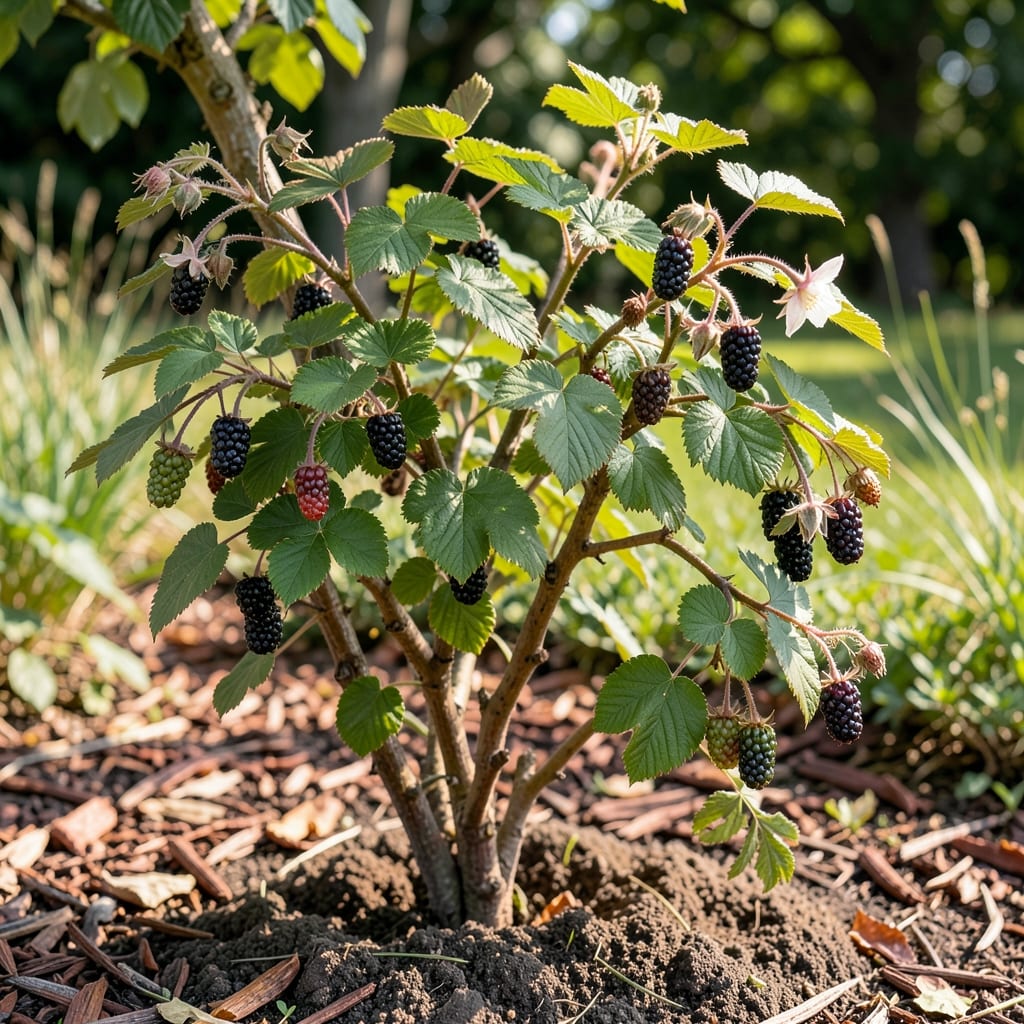
If you’ve ever wondered how tall blackberry bushes can grow, you’re not alone—this shrub’s height can swing from a manageable 3 feet to towering over your fence at 12 feet, depending on the variety and care. The 🫐 blackberry you plant in spring could end up as a sprawling giant or a neatly contained dwarf, and knowing the difference is the key to planning your garden space (and avoiding a berry-covered backyard!).
Most home gardeners in USDA Zone 6a grow standard varieties that reach 6–10 feet, but with the right pruning techniques, you can keep them compact—or even train them up a trellis to save space. The secret lies in understanding whether your blackberry is a floricane (biennial canes) or primocane (annual canes) type, as each behaves differently when it comes to height and fruiting.
In this guide, I’ll break down the height ranges for popular varieties, show you how pruning can shrink or stretch your bushes, and share tips to manage their growth without sacrificing your harvest. Whether you’re working with a tiny balcony garden or a sprawling backyard, you’ll learn how to keep your blackberries in check—no jungle required.
Ready to turn your blackberry patch from a space hog into a productive, easy-to-manage feature? Let’s dive into the details so you can grow the perfect-sized bushes for your garden—and your sanity.

Blackberry bush height by variety: dwarf vs giant growth charts
Blackberry bushes can range from 3-foot dwarf varieties to towering 12-foot giants, and the difference often comes down to the type of blackberry you’re growing. Most home gardeners work with floricane-fruiting varieties (like Thornless Chester), which typically reach 6–10 feet at maturity, while primocane-fruiting types (such as Natchez) can stretch even taller when left unchecked. The variety you choose directly impacts your garden layout, trellising needs, and even how much pruning you’ll tackle each year.
If you’re short on space, dwarf blackberry varieties like ‘Arapaho’ or ‘Chester’ stay between 3–5 feet, making them ideal for small gardens or container growing. On the other end of the spectrum, standard varieties like ‘Triple Crown’ or ‘Ouachita’ can easily surpass 10 feet, requiring sturdy trellises or fences to contain their sprawling canes. Understanding these height differences helps you plan your garden’s vertical space before you plant.
Here’s a quick comparison of how different blackberry types grow in height, along with their ideal growing conditions and space requirements:
| Variety Type | Height Range | Growth Habit | Space Needs | Best For |
|---|---|---|---|---|
| Dwarf (e.g., Arapaho, Chester) | 3–5 ft | Compact, upright | Small gardens, containers | Balconies, urban yards |
| Standard (e.g., Triple Crown, Ouachita) | 6–10 ft | Sprawling, needs support | 6+ ft trellis/fence | Backyards, large gardens |
| Giant (e.g., Natchez, Prime-Ark Freedom) | 10–12+ ft | Aggressive spreader | 10+ ft trellis or fence | Rural properties, large spaces |
| Primocane-Fruiting (e.g., Prime-Jan, Prime-Ark Freedom) | 8–12 ft | Fast-growing, annual canes | Trellis or strong support | Extended harvest seasons |
For small-space gardeners, dwarf varieties like ‘Arapaho’ are a game-changer—they produce plenty of berries without dominating your yard. Meanwhile, standard and giant varieties thrive when given room to stretch, but they’ll reward you with larger yields if you invest in a sturdy trellis or fence. Pro tip: If you’re unsure which to choose, start with a semi-dwarf variety (like ‘Chester’) for a balance of manageable height and high productivity.
Another key factor in height is whether your blackberry is a floricane or primocane type. Floricane varieties (like ‘Triple Crown’) produce fruit on second-year canes and typically stay slightly shorter if pruned correctly, while primocane varieties (like ‘Natchez’) fruit on first-year canes and can grow much taller if not controlled. This distinction is critical for planning your garden’s vertical space and pruning schedule.
If you’re growing blackberries in containers or raised beds, opt for dwarf or semi-dwarf varieties to avoid overcrowding. These compact types also work well in small urban gardens where space is limited. For larger properties, you can mix varieties—plant dwarf bushes near patios and let taller varieties sprawl along fences—to create a layered, productive landscape. Just remember: taller doesn’t always mean better—some of the most productive blackberries are the smaller, well-pruned varieties.
One common mistake I see is assuming all blackberries grow to 10+ feet without intervention. In reality, proper pruning can cut height by 30–50%, especially for floricane types. For example, if you prune ‘Triple Crown’ aggressively in late winter, you can keep it under 6 feet while still getting a bountiful harvest. We’ll dive deeper into pruning techniques
How pruning controls blackberry bush height: techniques for compact growth
Pruning is the secret weapon for controlling how tall your blackberry bushes grow. Without it, those 6-foot canes can quickly turn into unruly 12-foot giants, sprawling across your yard. The good news? With the right techniques, you can keep your bushes 3–5 feet tall or train them up a trellis for vertical growth. It all starts with understanding when and how to prune based on your blackberry’s growth habit.
Most blackberries fall into two categories: floricane types (like Boyesen or Triple Crown) that fruit on second-year canes, and primocane types (like Natchez or Chester) that fruit on first-year canes. Each requires a different pruning approach to manage height. For example, floricane varieties need renewal pruning every winter to remove old canes, while primocane types benefit from tip-pruning in summer to control sprawl.
Step-by-Step Pruning Guide for Height Control
- Step 1: Identify Your Variety Determine if your blackberry is a floricane or primocane type. This dictates your pruning timeline and method.
- Step 2: Prune Floricane Types (Winter) Cut out dead or weak canes first. Then remove last year’s fruited canes at ground level to encourage new growth. Leave 5–7 of the strongest canes for next year’s fruit.
- Step 3: Tip-Prune Primocane Types (Summer) Pinch back new growth tips in early summer to encourage bushier, shorter canes. Repeat every 4–6 weeks until harvest season.
- Step 4: Renewal Pruning (Every 3 Years) For overgrown bushes, remove 1/3 of the oldest canes each winter to rejuvenate growth and prevent height spikes.
- Step 5: Use Trellises for Vertical Growth Train canes onto a 4–6 foot trellis to control height and improve airflow. Prune side shoots to focus energy upward.
One of the biggest mistakes gardeners make is pruning at the wrong time. For example, cutting back floricane types in summer can remove next year’s fruit. Always prune dormant canes in late winter (just before buds swell) for best results. And never skip pruning—neglected bushes can grow 30% taller per year, turning a manageable 5-foot bush into a 15-foot monster in just a few seasons.
If you’re aiming for dwarf growth, focus on tip-pruning and renewal pruning every 1–2 years. For vertical growth, use a sturdy trellis and prune side branches to direct energy upward. The key is consistency—prune annually and your blackberries will stay exactly the size you want, whether that’s a compact 3-foot bush or a neat 8-foot trellis.
Pro tip: Label your canes in early spring to track growth. Use flags or paint to mark floricane vs. primocane types, so you know exactly what to prune—and when. This small step saves hours of guesswork later in the season.
Remember, pruning isn’t just about height control—it’s also about fruit production and plant health. A well-pruned bush yields 20–30% more berries and is far less prone to diseases like botrytis. So grab those shears, roll up your sleeves, and turn your blackberry patch from a space hog into a productive, manageable feature of your garden.