
Size
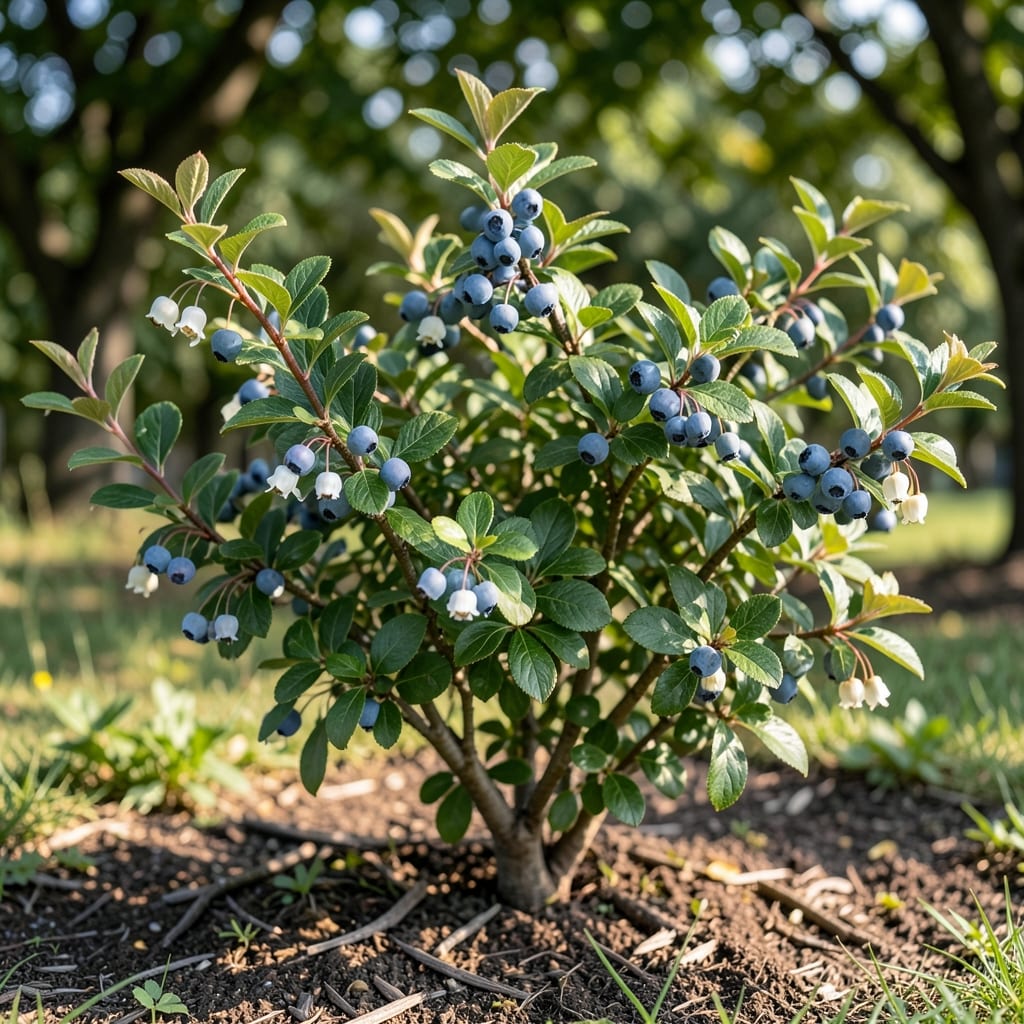
If you've ever wondered "how tall can blueberry bushes grow" and whether they'll take over your backyard, you're not alone. The good news is that blueberry bushes 🫐 come in all sizes—from compact varieties perfect for containers to towering shrubs that need room to stretch. For gardeners with limited space, knowing the height potential of different types is the key to planning your harvest without sacrificing yard space.
Standard blueberry bushes can reach heights of 6 to 12 feet when left unchecked, but that doesn't mean you're stuck with a jungle in your garden. Dwarf varieties, like the popular 'Top Hat,' stay under 3 feet and thrive in pots or small garden beds. Even semi-dwarf types max out around 4 to 6 feet, making them ideal for urban gardens or mixed borders. The secret? Choosing the right variety for your space and giving it the care it needs to stay manageable.
Height isn't just about aesthetics—it also affects how you prune, train, and even harvest your berries. Taller bushes may require ladders or long tools, while compact varieties make picking easier and more enjoyable. Plus, proper pruning can keep any blueberry bush at your desired height while boosting fruit production. Whether you're a beginner or a seasoned gardener, understanding these growth patterns will help you create the perfect blueberry patch—no matter how big (or small) your space.
Ready to grow blueberries without the sprawl? Let’s explore the best space-saving varieties and the simple tricks to keep your bushes at the perfect height for your garden. You’ll be harvesting juicy, homegrown berries in no time!


Blueberry bush height by variety: from dwarf to standard sizes
Blueberry bushes 🫐 come in a surprising range of heights, from tiny container-friendly varieties to towering shrubs that can reach your roofline. The size you end up with depends entirely on the variety you choose and how you care for it. For example, a standard southern highbush might stretch to 8-12 feet, while a dwarf northern highbush stays neatly under 3 feet. Understanding these differences is the first step to planning your blueberry garden without sacrificing space.
Genetics play the biggest role in determining height. Blueberries are divided into four main types—lowbush, rabbiteye, southern highbush, and northern highbush—each with its own growth patterns. Even within these categories, dwarf, semi-dwarf, and standard cultivars offer options for every garden size. The key is matching your space to the right type, whether you're working with a balcony pot or a sprawling backyard.
Here’s how the most common blueberry types stack up in terms of height, along with their ideal growing conditions and space requirements:
| Variety Type | Height Range | Best For | Notes |
|---|---|---|---|
| Lowbush (Vaccinium angustifolium) | 1–3 ft | Wild/habitat, small gardens | Native to Northeast US; thrives in acidic, sandy soil; produces tiny but flavorful berries. |
| Rabbiteye (Vaccinium ashei) | 6–12 ft | Southern US climates | Heat-tolerant; needs full sun and well-draining soil; berries ripen late summer. |
| Southern Highbush (Vaccinium corymbosum) | 5–10 ft | USDA Zones 6–9 | Popular for large berries; many dwarf cultivars available (e.g., 'Peach Sorbet'). |
| Northern Highbush (Vaccinium corymbosum) | 6–12 ft (standard) / 2–4 ft (dwarf) | USDA Zones 3–7 | Cold-hardy; 'Top Hat' is a top dwarf choice for containers. |
| Dwarf Varieties (e.g., 'Top Hat', 'Sunshine Blue') | 2–3 ft | Containers, small spaces, urban gardens | Bred for compact growth and high yields; ideal for balconies or patio pots. |
If you're growing blueberries in containers, focus on dwarf or semi-dwarf varieties like 'Top Hat' or 'Peach Sorbet.' These stay under 3 feet and produce abundant fruit, making them perfect for patios or small yards. Even standard varieties can be pruned to stay within bounds, but they’ll require more upkeep to keep their height in check. For example, a 6-foot southern highbush left unpruned will quickly outgrow a typical backyard, while the same variety trained as a dwarf will thrive in a 15-gallon pot.
Height also affects how you harvest your berries. Taller bushes may need a stool or ladder, while compact varieties let you pick at waist level—no bending required! Plus, shorter bushes are easier to protect from wildlife, like birds and squirrels, which are drawn to ripe blueberries. A 3-foot bush in a pot can be moved indoors or under netting when berries ripen, while a 10-foot shrub might need a permanent fence or bird netting solution.
One common misconception is that taller bushes produce more berries. In reality, the size of the bush doesn’t directly correlate with yield—proper pruning and care matter far more. A well-maintained 3-foot dwarf bush can produce just as many berries as a 10-foot standard bush, provided it gets enough sunlight, water, and nutrients. The trade-off? Dwarf varieties often ripen slightly earlier in the season, giving you a head start on harvests.
Climate also plays a role in how tall your blueberry bushes grow. In warmer zones (Zones 7–9), southern highbush varieties tend to grow taller and more vigorously, while in colder zones (Zones 3–5), northern highbush types stay shorter and hardier. If you're in a transitional zone, consider semi-dwarf varieties that strike a balance between size and productivity. For instance, 'Blueberry Crunch' (a semi-dwarf) tops out around 5 feet and handles a wide range of temperatures.
Soil conditions can influence height
5 Space-saving blueberry varieties under 3 feet (perfect for containers)
If you love the idea of harvesting fresh blueberries 🫐 but don’t have space for a sprawling shrub, you’ll be thrilled to know that some varieties stay neatly under 3 feet. These compact blueberry bushes are bred specifically for containers, small gardens, and urban patios, making them ideal for balconies, rooftops, or even sunny windowsills. The best part? They produce just as many berries as their taller counterparts—sometimes even more—because their energy goes into fruiting rather than vertical growth.
When choosing a dwarf variety, look for names like 'Top Hat', 'Peach Sorbet', or 'Sunshine Blue'. These aren’t just small—they’re also high-yielding, disease-resistant, and adaptable to different climates. Whether you’re in USDA Zone 3 or Zone 9, there’s a compact blueberry that’ll thrive in your space. Plus, their manageable size makes them easier to protect from pests, prune for shape, and even move indoors during harsh winters or heatwaves.
Here are the top 5 space-saving blueberry varieties that stay under 3 feet tall, along with their unique traits and care tips to maximize your harvest:
- 1. 'Top Hat' – 2–3 ft tall, cold-hardy (Zones 3–7), produces large, sweet berries perfect for containers. Thrives in 5-gallon pots and needs minimal pruning. Ideal for northern climates where space is tight.
- 2. 'Peach Sorbet' – 2–3 ft tall, semi-dwarf southern highbush with peach-flavored berries. Loves full sun and acidic soil (pH 4.5–5.5). Great for patio pots or raised beds in Zones 5–9.
- 3. 'Sunshine Blue' – 2–3 ft tall, heat-tolerant and drought-resistant, making it perfect for arid climates (Zones 6–9). Berries ripen early, giving you a jump on the season. Grows well in 15-gallon containers.
- 4. 'Pink Lemonade' – 2–3 ft tall, pink berries that turn blue when ripe. Sweet and tart, with a unique flavor. Thrives in containers or small garden beds in Zones 4–9. Great for visual appeal and novelty.
- 5. 'Jiffy' – 2–3 ft tall, fast-growing and high-yielding, perfect for beginner gardeners. Produces large, firm berries ideal for baking or fresh eating. Does well in 5–10 gallon pots in Zones 3–7.
For container growing, pot size matters. A 5-gallon pot works for 'Top Hat' or 'Jiffy', while larger varieties like 'Peach Sorbet' need at least 15 gallons to support their root systems. Always use a well-draining, acidic mix (like a blend of peat moss, pine bark, and perlite) to mimic their natural bog-like habitat. Add a slow-release fertilizer at planting time to give your dwarf blueberry a nutrient boost for the season.
One of the biggest advantages of these compact varieties is their early ripening. While standard blueberries may take until late summer to produce, dwarf varieties like 'Sunshine Blue' or 'Jiffy' often yield berries as early as June. This means you can enjoy fresh blueberries weeks before your neighbors’ larger bushes are ready. Plus, their smaller size makes them easier to protect from birds—just drape a lightweight net over the pot when berries start to ripen.
If you’re growing in containers, don’t forget to rotate the pot every few weeks so the bush grows evenly toward the sun. This prevents lopsided growth and ensures your blueberry bush stays compact and bushy rather than leggy. With the right variety and care, you’ll be harvesting pint-sized bushes with big flavors—no sprawling garden required!