
Shrubs
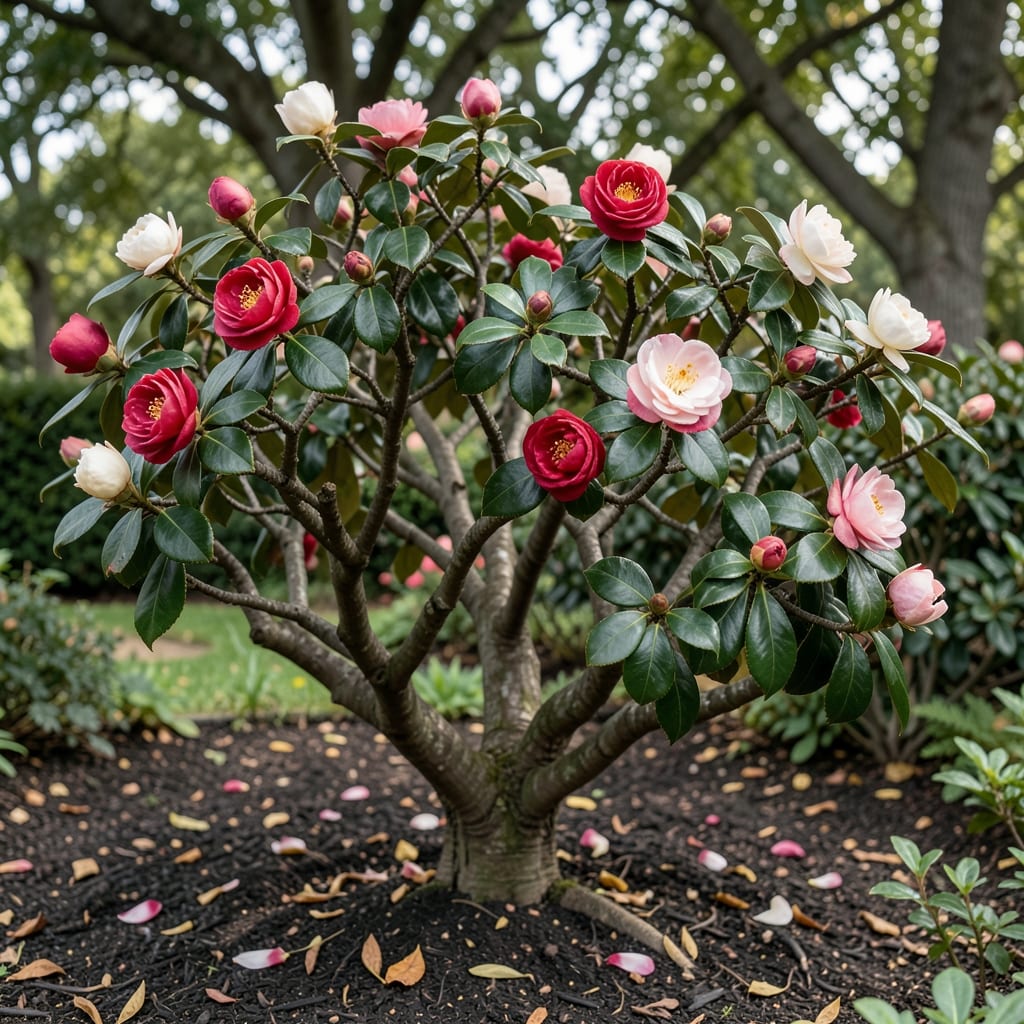
If you're dreaming of adding a 🌸 camellia to your garden but wondering how tall they can grow, you're not alone. These stunning evergreens can range from dwarf varieties under 6 feet to towering giants reaching 20 feet or more, depending on the species and how you care for them.
The height of your camellia depends on more than just genetics—sunlight, soil quality, and pruning habits all play a role. Some varieties grow slowly, making them perfect for small yards, while others shoot up quickly if given ideal conditions. Let’s break down what to expect from each type and how to manage their growth for your space.
Whether you’re designing a cozy corner garden or a grand landscape, knowing these details helps you choose the right camellia for your vision. You’ll discover which varieties thrive in tight spots and which need room to stretch their legs—plus tips to keep even the tallest ones in check.
Ready to pick the perfect camellia for your space? Let’s explore the full height spectrum and how to nurture your plant to its ideal size—no surprises included.

Camellia height by variety: from dwarf to towering giants
Camellias are stunning evergreens that can transform any garden, but their mature height varies dramatically. Some stay compact enough for container gardens, while others become towering specimens that rival trees. Let’s explore the height ranges of popular camellia varieties to help you choose the perfect fit for your space. Whether you’re dreaming of a small patio shrub or a grand landscape focal point, there’s a camellia for every garden size.
Understanding these height differences is key. A dwarf camellia might reach just 3–6 feet, while a standard variety can soar to 10–20 feet. The Camellia japonica and Camellia sasanqua species alone offer a world of options, from delicate miniatures to bold giants. Let’s break down the most popular categories so you can plan your garden with confidence.
🌸
The Camellia japonica is the most popular species for large gardens, with many varieties reaching 10–15 feet or taller. For example, the 'Crimson King' can grow up to 15 feet with a spread of 10 feet, making it a statement piece. On the other hand, Camellia sasanqua varieties like 'Bonanza' typically stay between 6–12 feet, perfect for adding seasonal color without overwhelming your space.
If you’re working with limited space, dwarf camellias are a game-changer. Varieties like 'Yuki-Cherry' max out at 4–5 feet, while 'Elegans' stays under 6 feet. These are ideal for containers, patios, or small yards. Even in containers, they thrive as long as you use well-draining soil and provide partial shade.
For those who love a challenge, unpruned camellias can grow even taller. In optimal conditions—rich, acidic soil, consistent moisture, and pruning discipline—some Camellia japonica varieties can reach 20 feet or more. These giants are best suited for large estates or woodland gardens where they can spread their branches freely.
🌿
Choosing the right camellia height depends on your garden’s layout and your personal style. A small garden might shine with a dwarf variety, while a large landscape could benefit from a tall, dramatic specimen. Always consider mature size—camellias grow slowly, but their eventual height will determine their long-term impact on your garden.
Pro tip: If you’re unsure about a variety’s growth habit, check the nursery tag or ask the grower. Some camellias, like 'Nuccio’s Gem', are bred to stay compact, while others may surprise you with their height. Planting too close to structures or other plants can lead to root competition or overcrowding, so always give them room to grow.
🪴
Camellia height by variety: from dwarf to towering giants
Camellias are famous for their stunning blooms, but their height can surprise you. Some varieties stay compact enough for containers, while others grow into towering shrubs or small trees. The Camellia japonica species, for example, often reaches 10–20 feet tall, while Camellia sasanqua typically stays between 6–12 feet. Even within a single species, cultivars can vary dramatically—some dwarf varieties top out at just 3–4 feet, making them perfect for small gardens.
Understanding these height differences helps you choose the right camellia for your space. Whether you’re designing a cozy courtyard or a sprawling landscape, selecting the right variety ensures your camellia thrives without overwhelming your surroundings. Let’s explore the height ranges you can expect from popular camellia types.
Camellia Height Guide by Variety
| Variety | Mature Height Range | Growth Rate | Best For |
|---|---|---|---|
| Camellia japonica 'Spring’s Promise' | 3–4 feet | Slow (6 inches/year) | Containers, small gardens |
| Camellia sasanqua 'Cape Honeysuckle' | 6–10 feet | Moderate (12 inches/year) | Hedges, medium gardens |
| Camellia japonica 'Desire' | 10–15 feet | Moderate (10–12 inches/year) | Large landscapes, focal points |
| Camellia reticulata (Wild varieties) | 15–20 feet | Fast (18+ inches/year) | Tropical gardens, large estates |
Note: Height can vary based on pruning and growing conditions.
If you’re working with limited space, dwarf camellias like 'Spring’s Promise' or 'Yuletide' are ideal. These varieties stay under 4 feet tall and are perfect for patios or window boxes. For bold statements, Camellia reticulata or large Camellia japonica varieties can create dramatic focal points in your garden. Just remember, taller camellias may require regular pruning to maintain shape and control growth.
Another factor to consider is how quickly camellias grow. Dwarf varieties grow slowly, adding only 6 inches per year, while faster-growing types like Camellia reticulata can shoot up 18+ inches annually. This growth rate affects how soon you’ll see your camellia reach its full potential height. For example, a 10-foot camellia might take 5–10 years to mature, depending on care and conditions.
Before planting, check your camellia’s mature height and compare it to your garden’s layout. A 20-foot camellia near a house or driveway could become a maintenance challenge, while a 4-foot dwarf might get lost in a large landscape. Always leave enough space for the plant to grow—camellias hate being crowded, and root competition can stunt their growth.
For container gardening, stick to dwarf or semi-dwarf varieties that won’t outgrow their pots. Even then, plan for repotting every 2–3 years as the roots expand. If you’re unsure which size to choose, start with a medium-height variety like 'Cape Honeysuckle'—it offers flexibility for both small and large gardens with proper pruning.