
Trees
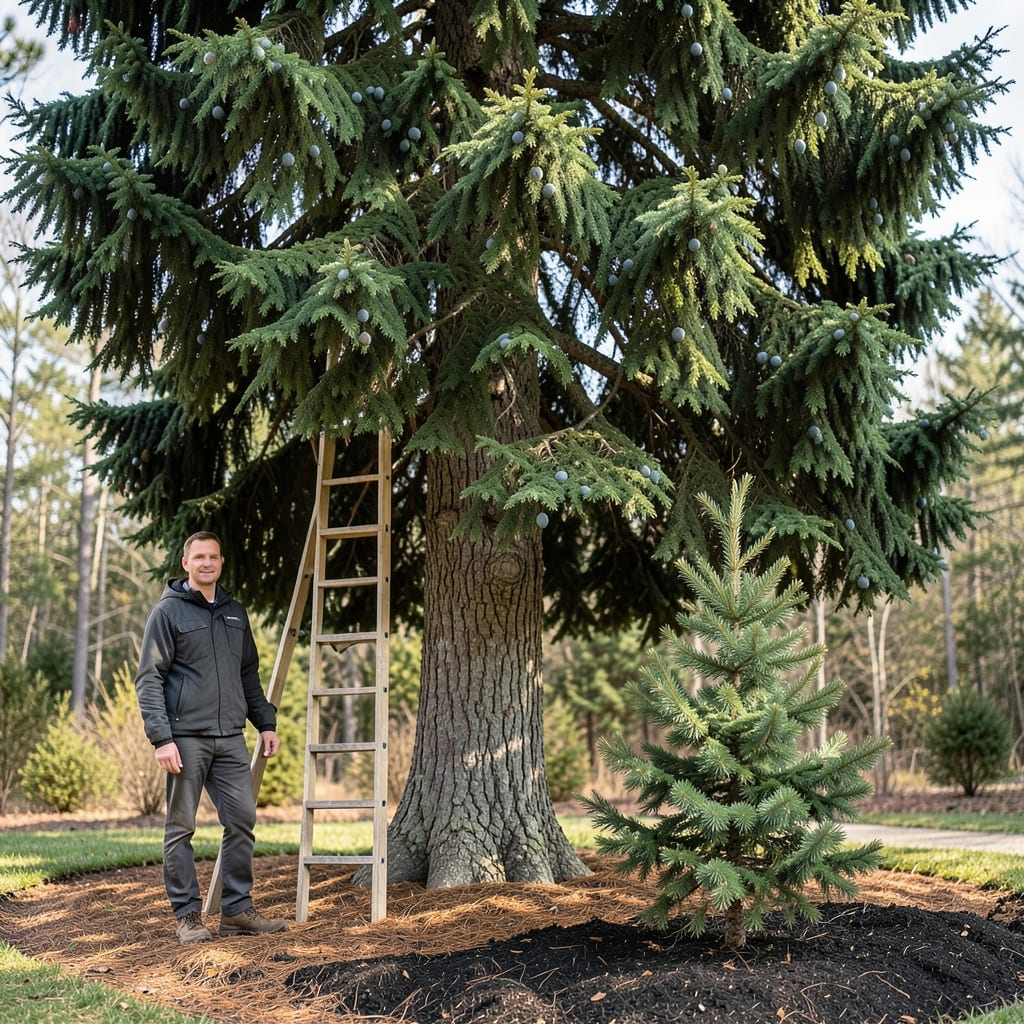
If you're wondering how tall can cedar trees grow, the answer might surprise you—some varieties stretch toward the sky like natural skyscrapers, while others stay cozy and compact. Picture this: a 🌲 Cedar Tree in your backyard, its branches swaying dramatically or gently framing your patio, depending on the species you choose.
But here’s the catch: not all cedars follow the same growth script. Whether you’re dreaming of a towering Deodar Cedar that could shadow a two-story house or a manageable Atlantic White Cedar for a smaller space, knowing the height range is the key to planning your landscape like a pro.
In this guide, I’ll break down the height variations across popular cedar species, the factors that push them toward their full potential (or hold them back), and how you can shape their growth to fit your vision—whether that means pruning for privacy or letting them reach their majestic heights.
Ready to transform your yard with the perfect cedar? Let’s dive into the details so you can pick the right tree for your space—and your future skyline.


Cedar tree height by species: from dwarf to towering giants
Cedar trees are nature’s architectural marvels, with some species reaching heights that rival skyscrapers while others stay perfectly proportioned for smaller yards. The Eastern Red Cedar, for example, can grow up to 40 feet tall, while the Dwarf Blue Atlas Cedar stays a modest 10-15 feet. Choosing the right species depends on your space, climate, and long-term vision for your landscape.
Let’s explore the height ranges of the most popular cedar species, including their growth rates and ideal growing conditions. Whether you’re planning a privacy screen, a focal point, or a windbreak, this breakdown will help you select the perfect cedar for your needs.
Here’s a quick snapshot of what to expect from each variety, from the towering Deodar Cedar to the compact Emerald Green Cedar.
| Species | Mature Height (ft) | Growth Rate (ft/year) | Ideal Climate |
|---|---|---|---|
| Deodar Cedar | 60-80 | 1-2 | Zones 7-9 |
| Eastern Red Cedar | 30-40 | 1-1.5 | Zones 2-9 |
| Atlas Cedar | 40-60 | 1-2 | Zones 6-9 |
| Lebanon Cedar | 50-70 | 1-1.5 | Zones 7-10 |
| Dwarf Blue Atlas Cedar | 10-15 | 0.5-1 | Zones 6-9 |
| Emerald Green Cedar | 12-15 | 0.5-1 | Zones 5-9 |
| Blue Rug Juniper | 3-5 | 0.2-0.5 | Zones 3-9 |
| Atlantic White Cedar | 40-50 | 1-1.5 | Zones 3-8 |
| Wichita Blue Cedar | 20-30 | 0.5-1 | Zones 4-9 |
| Green Spire Cedar | 30-40 | 1-1.5 | Zones 5-9 |
The Deodar Cedar and Lebanon Cedar are the true giants of the cedar world, often surpassing 60 feet in ideal conditions. These majestic trees thrive in warmer climates and can become stunning focal points in large landscapes or parks. If you’re dreaming of a tree that feels like a cathedral in your backyard, these are the varieties to consider.
On the other hand, if you’re working with limited space or need a low-maintenance option, the Dwarf Blue Atlas Cedar or Emerald Green Cedar are excellent choices. These compact varieties grow slowly, making them perfect for containers, small gardens, or as accent plants along walkways.
For a balance between height and manageability, the Eastern Red Cedar and Green Spire Cedar offer a 30-40 foot mature height
Factors that influence cedar tree height: soil, climate & care
Your cedar tree’s height isn’t just about its species—it’s also shaped by the environment you provide. From the soil quality in your yard to the climate zone you live in, these factors can either accelerate growth or hold your tree back. Understanding how they work will help you maximize (or control) your cedar’s height potential.
For example, a Deodar Cedar in Zone 8 with well-draining soil might reach 70 feet, while the same tree in Zone 5 with compacted clay could struggle to exceed 40 feet. The difference? Soil aeration, sunlight exposure, and even wind patterns all play a role.
Let’s break down the key factors that determine how tall your cedar tree will grow—and how you can optimize them for your space.
🌱 Key Factors Affecting Cedar Tree Height
- 🌞 Sunlight Exposure: Cedar trees thrive in full sun (6+ hours/day). Less light = slower growth and reduced height potential.
- 💧 Watering Practices: Overwatering stunts roots, while deep, infrequent watering encourages strong vertical growth.
- 🌍 Soil Drainage: Waterlogged soil suffocates roots, limiting height. Cedar trees prefer well-draining, slightly acidic soil (pH 5.0-7.0).
- 🌬️ Wind Exposure: High winds can stunt growth or cause leaning. Sheltered locations promote straighter, taller trunks.
- 🌡️ Climate Zone: Warmer zones (7-10) support faster growth, while colder zones (3-6) may slow height development.
- ✂️ Pruning Timing: Pruning too aggressively early in life can reduce mature height by up to 30%.
If you’re growing a fast-growing species like the Eastern Red Cedar, prioritize well-draining soil and full sun exposure to encourage rapid vertical growth. For slower varieties like the Emerald Green Cedar, focus on consistent moisture and light pruning to maintain compact size without stressing the tree.
One common mistake I see is assuming cedar trees are drought-proof. While they’re drought-tolerant once established, young trees need regular deep watering to develop strong root systems that support their future height. Skipping this step can leave your tree stunted for years.
For maximum height, plant your cedar in spring or early fall when temperatures are mild. This gives roots time to establish before extreme heat or cold sets in. And remember: patience is key—cedar trees grow 1-2 feet per year on average, so a 40-foot mature tree may take 20+ years to reach its full potential.