
Size
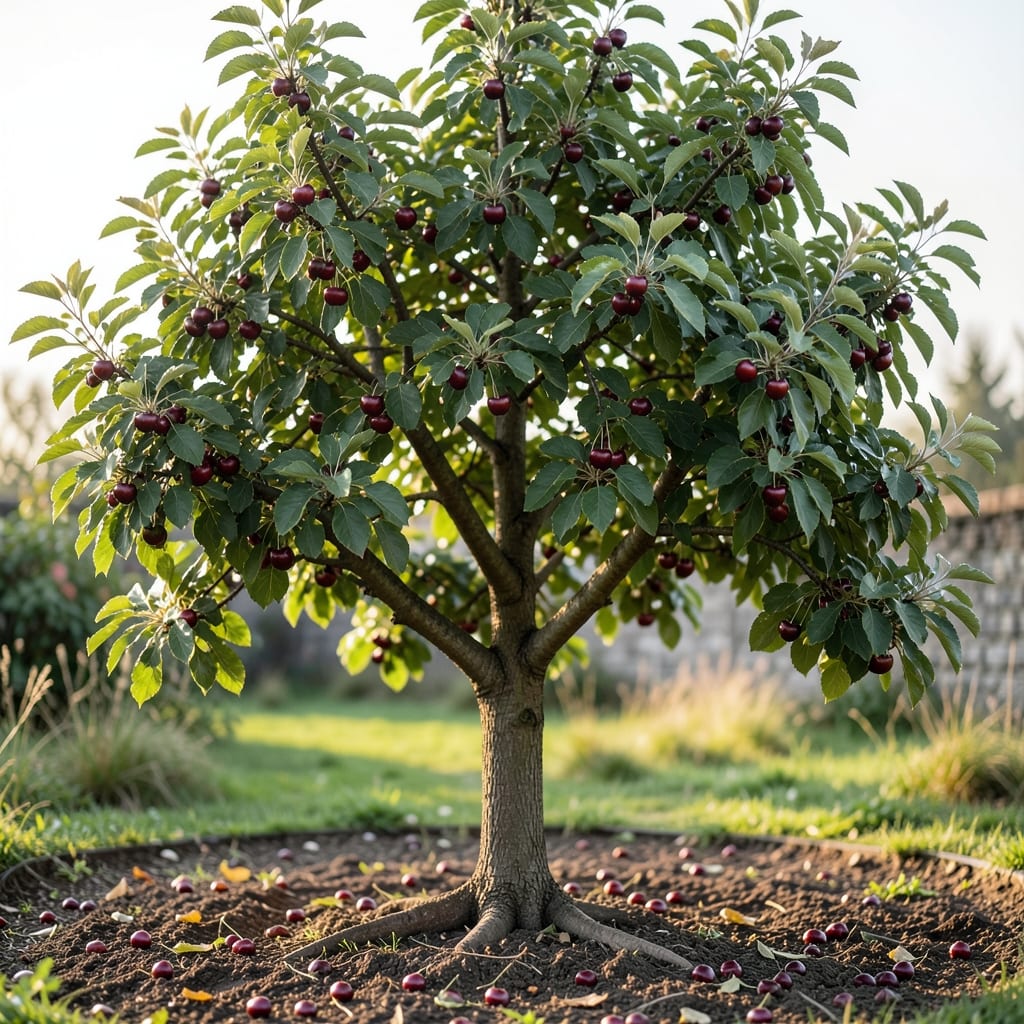
If you've ever dreamed of a backyard bursting with 🍒 cherry trees but wondered how tall they can grow, you're not alone. The height of a cherry tree can vary dramatically—from petite dwarf varieties that fit cozy patios to towering giants that dwarf two-story houses. Understanding these differences is the key to choosing the perfect tree for your landscape.
Whether you're a first-time gardener or a seasoned grower, selecting the right cherry tree height matters more than you might think. Some varieties max out at just 8 feet, making them ideal for urban gardens, while others can stretch toward 60 feet in the right conditions. The choice you make today will shape your yard's future for decades.
In this guide, I'll break down exactly how tall different cherry tree varieties grow—from sweet and tart types to ornamental showstoppers—and what factors influence their height. You'll discover how rootstock, pruning, and even your local climate can transform a tree's potential size, helping you make an informed decision that fits your space perfectly.
Ready to find the perfect cherry tree for your home? Let's explore the stunning range of heights and how to manage them for a thriving, beautiful landscape.

Cherry tree height by variety: dwarf to giant sizes explained
Cherry trees offer a stunning range of heights, from dwarf varieties perfect for small patios to giant specimens that dominate landscapes. Understanding these differences helps you choose the right tree for your space. Let’s explore the height spectrum, from 8-foot dwarfs to 60-foot giants, and the varieties that define each category.
Most cherry trees fall into four height classifications: dwarf (8–12 ft), semi-dwarf (12–18 ft), standard (20–40 ft), and giant (40–60+ ft). The variety you pick determines not just height but also fruit production, pruning needs, and long-term maintenance. For example, a 'Stella' cherry tree stays under 10 feet, while a 'Black Tartarian' can tower over 40 feet.
Here’s a breakdown of cherry tree heights by category, including popular varieties and their mature sizes:
| Variety Type | Mature Height (ft) | Best For | Notes |
|---|---|---|---|
| Dwarf Sweet Cherries | 8–12 ft | Small yards, containers, urban gardens | Rootstock-influenced; needs regular pruning |
| Semi-Dwarf Tart Cherries | 12–18 ft | Backyard orchards, medium spaces | Balanced size; good for fresh fruit |
| Standard Ornamental Cherries | 20–30 ft | Landscape focal points, large gardens | Stunning spring blooms; minimal fruit |
| Giant Sour Cherries | 40–60+ ft | Rural properties, orchards | Requires space; heavy fruit load |
| Hybrid Cherries (e.g., 'Rainier') | 25–40 ft | Mixed landscapes, commercial orchards | Combines sweet/tart traits; moderate height |
Sweet cherries like 'Bing' or 'Lapins' typically reach 20–30 feet at maturity, making them ideal for suburban yards. In contrast, tart cherries such as 'Montmorency' can exceed 40 feet, requiring ample space and professional pruning. Ornamental varieties like 'Kwanzan' cherry trees focus on spring blooms rather than fruit and often stay between 20–30 feet, perfect for adding color to landscapes.
If you’re working with limited space, consider columnar cherry trees like 'Stella', which grow just 8–10 feet tall but produce abundant fruit. These varieties are grafted onto dwarfing rootstock, which restricts their height while maintaining productivity. For larger properties, standard or giant varieties offer shade and dramatic height, but they demand more maintenance and space.
Climate also plays a role in height. Cherry trees in warmer climates (USDA Zones 7–9) may grow slightly taller than those in cooler regions (Zones 4–6), where growth slows during colder winters. Always check your local nursery for region-specific recommendations to ensure your cherry tree thrives.
For urban gardeners, container-growing dwarf varieties is an excellent solution. A 5-gallon pot can accommodate a 10-foot 'Stella' cherry tree, provided it’s pruned annually to control size. Just ensure the container has drainage holes and use a high-quality potting mix to prevent root rot.
When selecting a cherry tree, prioritize mature height, fruit production goals, and yard layout. A tree that’s too tall for your space can become a maintenance nightmare, while a dwarf variety might not yield enough fruit for your needs. Always measure your space and consult a local arborist if you’re unsure about long-term growth patterns.
🍒
How to choose the right cherry tree height for your space
Selecting the perfect cherry tree height starts with understanding your space. A 15-foot ornamental cherry might look stunning in a city courtyard, while a 40-foot sour cherry needs acres of open land. My rule of thumb? Measure your yard's width and height first—then match it to the tree's mature size.
For small urban gardens, dwarf varieties like 'Stella' (8-10 feet) are game-changers. They fit neatly under power lines and still produce hundreds of blossoms each spring. In contrast, rural properties can accommodate standard sweet cherries like 'Bing' that reach 25-30 feet with proper spacing.
🌿 Don't forget about overhead clearance! A 60-foot giant cherry could smash into your roof or neighbor's fence. Always check local building codes and power line heights before planting. I once saw a beautiful Black Tartarian tree cut down because it grew too close to power lines—heartbreaking!
Key Considerations for Cherry Tree Height
- 📏 Yard Width: Leave 10-15 feet between trees for airflow and maintenance
- ☀️ Sunlight: Tall varieties need full sun (6+ hours)—check your property's sunlight map
- 🪴 Rootstock: Dwarf rootstock keeps trees small but may reduce fruit size
- 🌳 Overhead Obstructions: Measure from ground to lowest branch/roof/power lines
- 👨🌾 Maintenance: Taller trees need ladders or professional pruning services
Pro Tip:
Use a laser measure to check tree height potential in your space before buying!
Another critical factor is your long-term vision. Do you want a tree that provides shade for a patio in 5 years, or one that will outlive your grandchildren? I planted a 20-foot 'Rainier' cherry near my deck—now it creates the perfect shaded oasis during summer afternoons.
For container growing, stick to dwarf varieties like 'Compact Stella' (6-8 feet). These thrive in large pots and can be moved seasonally. Just ensure your container is at least 24 inches wide and has drainage holes—root-bound trees grow poorly and produce fewer fruits.
Finally, consider your local climate zone. Trees in USDA Zone 5 may grow slower than those in Zone 8. If you're unsure, check with your local cooperative extension office—they offer free soil tests and tree-specific advice tailored to your area. 🌱