
Trees
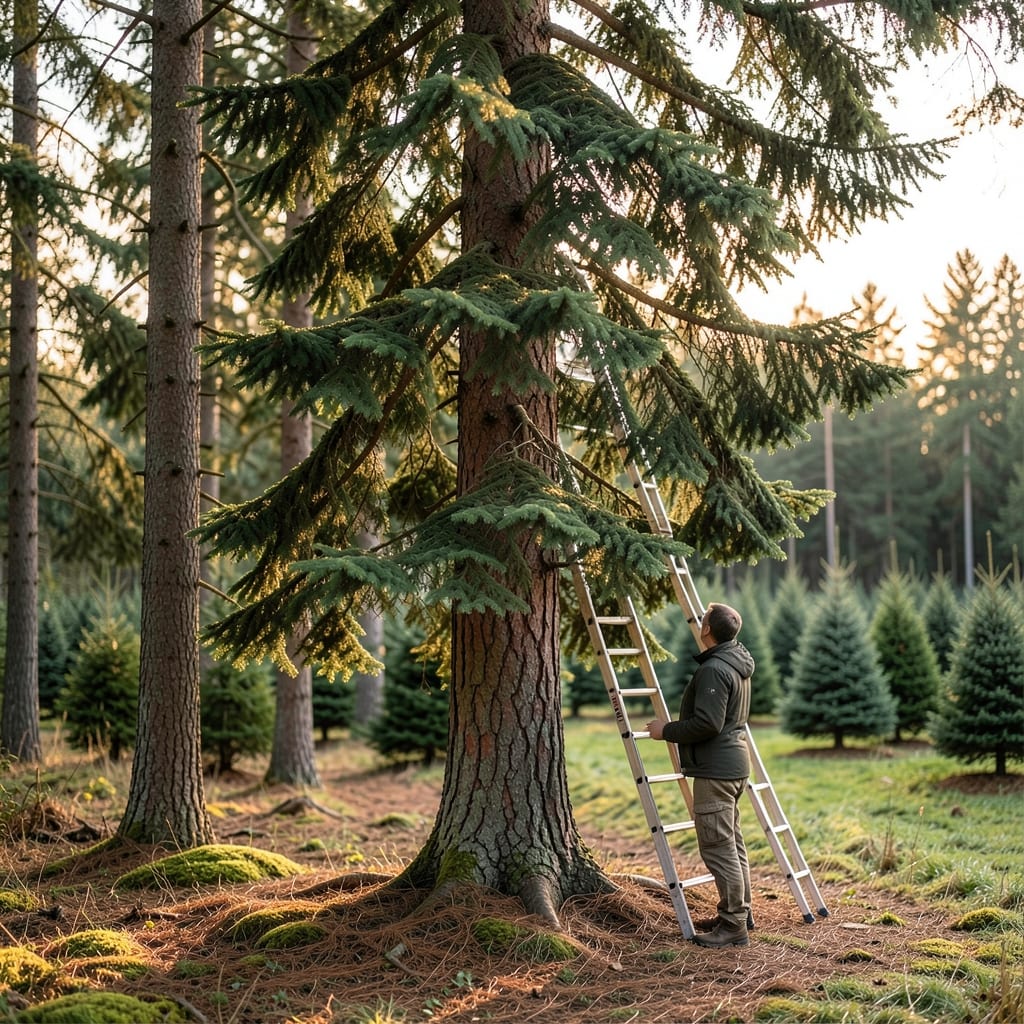
If you’ve ever stood beneath a towering 🎄 Christmas Tree and wondered how tall can Christmas trees grow, the answer isn’t just about time. Some varieties barely crack 10 feet, while others stretch toward the sky like natural skyscrapers, reaching heights of 120 feet or more. The secret lies in the species, growing conditions, and a little bit of patience (or impatience, if you’re pruning).
Picture this: a tiny sapling in a nursery, barely taller than your hand, destined to become a 60-foot giant in just a few decades. That’s the magic of Christmas trees like the Douglas fir or Norway spruce, which thrive in the right climate and soil. But not all trees follow the same script—some stay compact, making them perfect for small yards, while others demand space like a redwood.
So, how do you decide which type to grow—or how to keep one from outgrowing your backyard? The answer depends on your goals. Want a dwarf variety that stays under 12 feet? Or are you dreaming of a towering centerpiece that’ll make neighbors jealous? We’ll break down the science, share expert tips, and debunk myths about controlling height so you can grow the perfect tree—no matter how tall (or short) you want it to be.
Ready to turn your fall landscape into a forest of holiday cheer? Let’s explore the surprising factors that turn a seedling into a skyscraper—or keep it small enough to fit your front yard. The choice is yours, and the possibilities are endless.


Christmas tree species and their maximum heights: from dwarfs to skyscrapers
The height of your Christmas tree depends entirely on its species. Some varieties stay compact enough for a small urban yard, while others grow like skyscrapers in a forest. Let’s explore the extremes—from the dwarf Alberta spruce that tops out at just 8 feet to the Douglas fir that can reach 120 feet in the wild.
If you’re dreaming of a towering centerpiece, species like the Noble fir or Fraser fir are your best bets. But if space is limited, dwarf varieties like Picea glauca 'Conica' (the dwarf blue spruce) stay under 10 feet while still delivering that classic holiday look. The key? Choosing the right species for your climate and available space.
🌱
| Species | Mature Height | Growth Rate | Best For |
|---|---|---|---|
| Douglas Fir | 80–120 ft | 1–3 ft/year | Large landscapes, wild growth |
| Fraser Fir | 50–70 ft | 1–2 ft/year | Commercial farming, holiday displays |
| Scots Pine | 60–100 ft | 2–4 ft/year | Cold climates, wind resistance |
| Dwarf Alberta Spruce | 4–8 ft | 3–6 in/year | Containers, small yards |
| Blue Spruce (Semi-Dwarf) | 12–20 ft | 6–12 in/year | Medium yards, privacy screens |
The Douglas fir and Fraser fir are the heavyweights of the Christmas tree world, capable of reaching skyscraper heights in ideal conditions. These trees thrive in cool, moist climates with well-draining soil and plenty of space to stretch their branches. In contrast, the dwarf Alberta spruce is a slow grower, perfect for containers or small gardens where height isn’t a concern.
For medium-sized yards, the semi-dwarf blue spruce strikes a balance, growing to 12–20 feet while still delivering that classic holiday aesthetic. If you’re growing trees for commercial sales, Fraser firs are a favorite because they hold their needles well and grow at a manageable 1–2 feet per year.
But here’s the catch: even the tallest species won’t reach their full potential unless you give them the right growing conditions. Sunlight, soil quality, and watering all play a role in determining how tall your tree will grow. A Douglas fir in a shady, nutrient-poor spot will stay stunted, while the same tree in a sunny, fertile forest could shoot up toward the sky.
🌳
If you’re growing Christmas trees as ornamental plants, consider their mature size before planting. A 120-foot Douglas fir won’t fit in most backyards, but a semi-dwarf variety can add year-round beauty without taking over your landscape. For holiday displays, many growers opt for 6–10 foot trees that are easy to decorate and transport.
Pro tip: If you’re planting multiple trees, space them 10–15 feet apart to allow room for their root systems to expand. Crowding can stunt growth and lead to disease or pest issues. And remember, even dwarf varieties need proper care to thrive—regular pruning and balanced fertilization will keep them healthy and compact.
✂️
How growers control Christmas tree height: pruning, spacing, and soil secrets
If you’ve ever dreamed of a Christmas tree that stays small enough for your patio but grows lush and full, you’re not alone. The secret to controlling height lies in the hands of growers who use science-backed techniques like pruning, spacing, and soil management. These methods aren’t just for commercial farms—they work in your backyard too! Whether you’re aiming for a 6-foot dwarf or a 12-foot statement piece, understanding these techniques will help you shape your tree’s destiny.
One of the most powerful tools in a grower’s arsenal is pruning. By strategically trimming branches, you can encourage a tree to grow wider rather than taller. For example, Fraser firs and Douglas firs respond well to pruning in their early years, redirecting energy toward lateral growth. The key is timing—prune in late winter or early spring before new growth begins. This gives the tree time to recover and fill out its canopy before the holiday season rolls around.
Another game-changer is spacing. Trees planted too closely will compete for nutrients and sunlight, stunting their growth. On the other hand, giving each tree enough room—typically 6-10 feet apart for standard varieties—allows them to grow taller without crowding. For dwarf varieties, like the Dwarf Alberta Spruce, spacing can be as tight as 3-4 feet, but even then, proper airflow is crucial to prevent disease. Think of spacing as giving your tree room to stretch its legs—or wings, in this case!
Pro Tip for Controlling Height
Root restriction is a technique used by commercial growers to limit height. By planting trees in smaller containers or using root barriers, you can stunt vertical growth while encouraging a fuller shape. This is especially useful for semi-dwarf varieties that still need to stay under 20 feet. Just remember, this method requires patience—it can take years to see the full effect!
Don’t underestimate the power of soil. Well-draining, nutrient-rich soil is the foundation of healthy growth. For taller varieties, like the Noble Fir, amend your soil with compost and a balanced 10-10-10 fertilizer in the spring to fuel rapid growth. If you’re growing a dwarf variety, focus on keeping the soil slightly more acidic (around pH 5.0-6.0) to mimic their natural habitat. A happy root system means a tree that grows strong and true to its intended size.
Finally, consider the light conditions in your garden. While most Christmas trees thrive in partial shade, some varieties, like the Scots Pine, can tolerate full sun. Too much shade can slow growth, while too much sun can stress the tree, leading to uneven height development. Strike a balance by placing your tree where it gets 4-6 hours of sunlight daily, especially in the morning hours to avoid afternoon heat stress.
With these techniques in your toolkit, you can grow a Christmas tree that fits your space perfectly—whether you want a compact centerpiece or a towering giant that steals the show. The best part? You don’t need a green thumb or a farm to make it happen. Just a little patience, the right tools, and a love for watching nature do its magic. Happy growing! 🌲