
Size
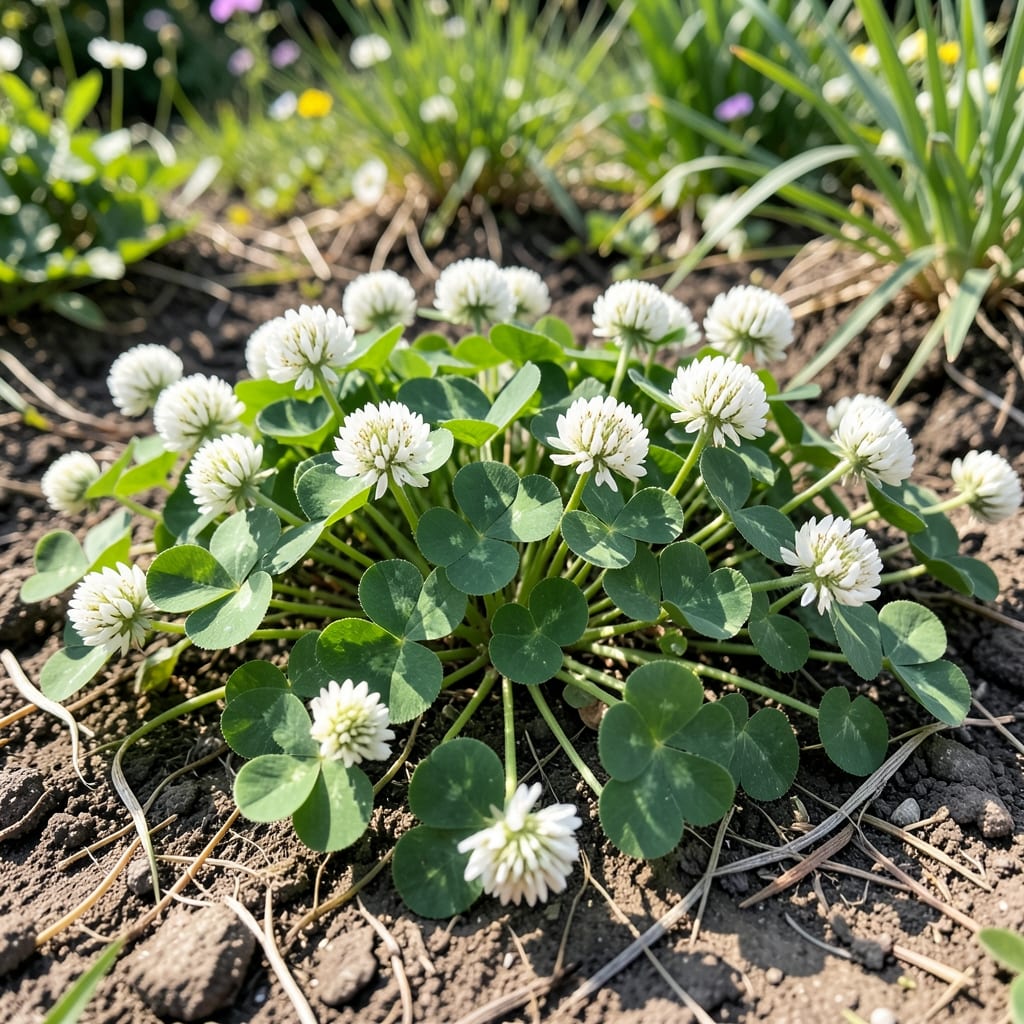
If you’ve ever wondered just how tall your 🌱 clover can grow, the answer might surprise you—some native varieties can reach a towering 3 feet without needing a single trim! But not all clover plants share this same height potential, and knowing the differences can help you decide whether to let it sprawl or keep it contained.
Whether you’re dealing with the low-growing white clover in your lawn or dreaming of a pollinator-friendly meadow, understanding clover’s growth habits is key. Some types stay compact, while others shoot up dramatically, creating a lush, green canopy that bees and butterflies adore. The secret lies in the variety, soil conditions, and sunlight exposure.
In this guide, I’ll break down the height ranges of different clover types—from dwarf varieties that barely peek above 6 inches to those that proudly stand at 3 feet. You’ll also discover how to encourage (or control) their growth based on your garden goals, whether that’s a neat lawn or a wildflower haven.
Ready to transform your patch of clover into something stunning? Let’s dive into the details so you can grow it exactly how you want—tall, short, or somewhere in between.


Clover height variations: from low-growing to towering 3-Foot varieties
Clover isn’t just one plant—it’s a family with dramatic height differences. Some varieties stay humble at 3–6 inches, perfect for lawns, while others shoot up to 3 feet tall, creating a lush meadow. The key difference? Species and growing conditions. Let’s explore the three main height categories so you can pick the perfect clover for your space.
First, the dwarf varieties like white clover (Trifolium repens) rarely exceed 6 inches. These are the workhorses of lawns, spreading low and dense. Then there’s the mid-height range (12–18 inches), where red clover (Trifolium pratense) and alsike clover shine. Finally, the towering types reach 2–3 feet, ideal for pollinator gardens and erosion control.
Your choice depends on your goals: short clover for lawns, medium clover for borders, or tall clover for wildlife habitats. Soil fertility and sunlight also play a role—rich soil and full sun can push even dwarf clovers taller.
Here’s how the most common clover types stack up in height:
| Variety | Height Range | Growth Habit | Best For |
|---|---|---|---|
| White Clover | 3–6 inches | Low-spreading | Lawns, erosion control |
| Red Clover | 12–24 inches | Upright, bushy | Pollinator gardens, meadows |
| Alsike Clover | 2–3 feet | Tall, dense | Wildlife habitats, tall borders |
| Hop Clover | 1–2 feet | Climbing, sprawling | Pacific Northwest gardens |
| Crimson Clover | 1.5–3 feet | Tall, showy | Southern U.S. meadows |
Notice how red clover and alsike clover naturally grow taller, while white clover stays low. If you want clover to reach its full height potential, plant it in well-drained soil with partial to full sun. Poor soil or shade will stunt growth, even in tall varieties.
For example, alsike clover can hit 3 feet in ideal conditions but may only reach 18 inches in shady spots. Similarly, crimson clover thrives in the Southern U.S. but struggles in cooler climates. Always check your local USDA zone for best results.
Pro tip: If you’re growing clover for pollinators, taller varieties like red or alsike clover attract more bees and butterflies. Their vibrant flowers stand out in meadows, creating a buzzing ecosystem. For lawns, stick with white clover—it stays neat and fixes nitrogen in the soil.
Now that you know the height ranges, the next step is managing growth. Want to keep your clover short? Or encourage it to reach its full height? I’ll cover pruning tips and seasonal care in the next section to help you shape your clover exactly how you want it.
Clover height variations: from low-growing to towering 3-Foot varieties
Clover isn’t one-size-fits-all when it comes to height—some varieties stay humble at just 3 inches tall, while others reach a dramatic 3 feet without any help from you. The key difference lies in the species and growing conditions. For example, white clover typically maxes out around 6 inches, making it perfect for lawns, while red clover can shoot up to 2–3 feet, creating a stunning pollinator magnet.
If you’re aiming for a low-maintenance ground cover, dwarf varieties like Dutch white clover (just 2–4 inches tall) are ideal. But if you’re designing a wildflower meadow, taller types like Alsike clover (up to 2 feet) or crimson clover (reaching 3 feet) will add drama and support local ecosystems.
| Variety | Height Range | Best For |
|---|---|---|
| White Clover | 3–6 inches | Lawns, erosion control |
| Red Clover | 1–3 feet | Pollinator gardens, meadows |
| Alsike Clover | 1.5–2 feet | Wildlife habitats, tall borders |
| Dutch White Clover | 2–4 inches | Lawns, drought-prone areas |
Sunlight plays a huge role in clover height—full sun encourages taller growth, while partial shade keeps plants shorter and bushier. For example, red clover in full sun will reach its 3-foot potential, but in shade, it may stay closer to 18 inches. Soil fertility also matters: Rich, nitrogen-poor soil promotes taller stems, while compacted or sandy soil limits height.
If you’re growing clover for pollinators, taller varieties like crimson clover or hop clover (up to 3 feet) are fantastic choices. Their height makes them easier for bees to access, and their dense blooms provide nectar for weeks. Just be mindful of your local ecosystem—invasive species like microclover can spread aggressively if not contained.
For lawns, stick to dwarf varieties like Dutch white clover to avoid a wild, unkempt look. These stay low enough to mow with your regular lawn equipment and won’t outcompete your grass. However, if you’re intentionally creating a low-maintenance meadow, let taller clovers thrive—they’ll attract butterflies, bees, and even beneficial predatory insects.
Pro tip: If your clover is growing taller than you’d like, a simple trim with hedge shears can encourage bushier growth. Just avoid cutting into the woodier stems, which won’t regrow. For pollinator gardens, resist the urge to prune—let those 3-foot stalks** stand tall and proud for wildlife! 🌿