
How To
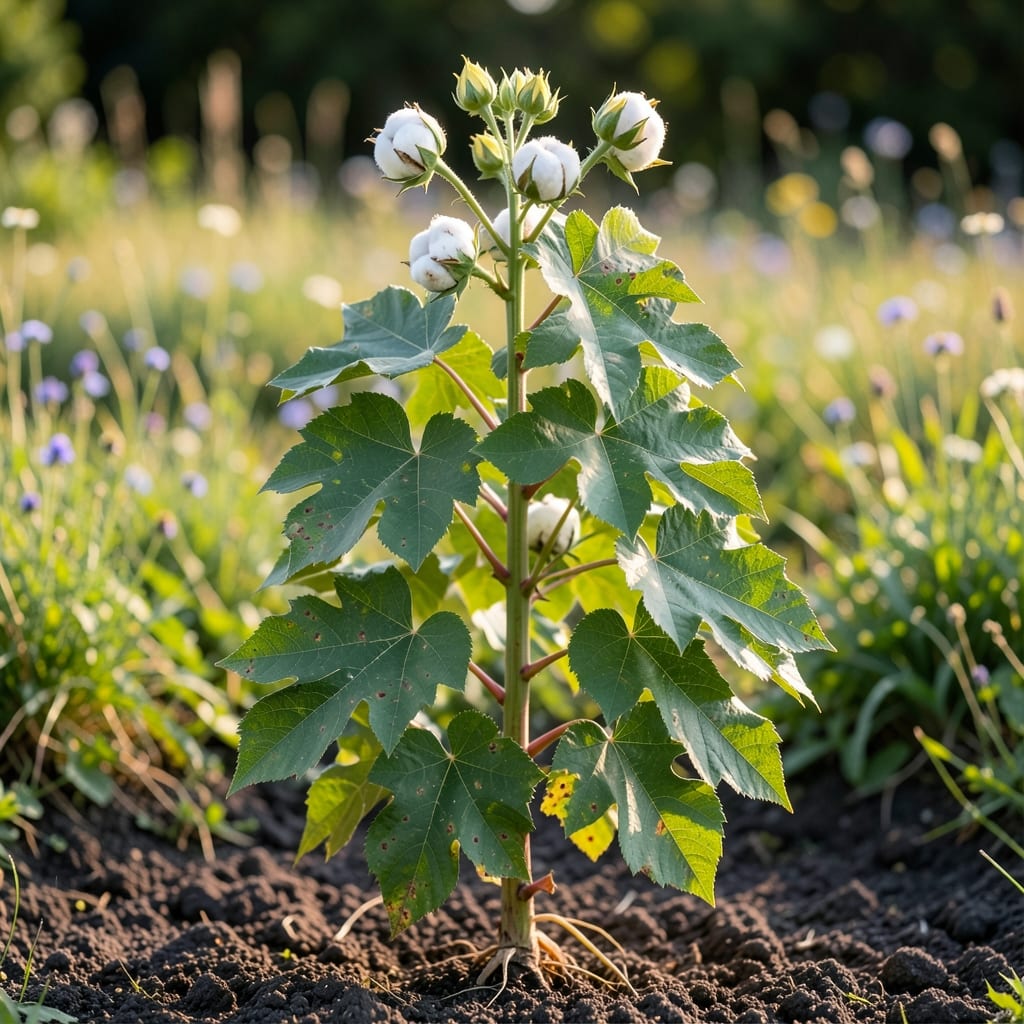
How tall can cotton grow—the answer might surprise you, especially if you picture fluffy white clouds floating above your garden fence. While cotton plants don’t reach skyscraper heights, some towering varieties like Pima cotton can stretch up to 6 feet under ideal conditions, making them a standout in any backyard or farm plot.
If you’ve ever wondered whether your cotton plants could outgrow your expectations, the secret lies in variety selection, soil quality, and climate. Upland cotton, the most common type, typically reaches 3 to 5 feet, but with the right care, even taller specimens are possible. Whether you’re a home gardener or a small-scale farmer, understanding these growth factors can transform your harvest.
Let’s break down the science behind cotton’s height potential—from the shortest ornamental varieties to the giants of commercial fields. You’ll discover how to maximize growth naturally, avoid common pitfalls, and even spot the signs of a plant ready to burst with fluffy bolls.
Ready to unlock the full height potential of your cotton plants? Learn how to nurture them into thriving, bountiful giants that could redefine your garden’s skyline.


Cotton plant height variations: from dwarf to giant varieties
Cotton plants are far from one-size-fits-all—some varieties stay compact enough for container gardens, while others reach towering heights of 6 feet or more in ideal conditions. The difference often comes down to genetics, with upland cotton (the most common type) typically growing 3 to 5 feet, while specialty varieties like Pima cotton can stretch even taller. Understanding these variations helps you choose the perfect plant for your space and climate.
For home gardeners with limited space, dwarf cotton varieties are a game-changer, maxing out at 2 to 3 feet while still producing fluffy bolls. These compact plants thrive in pots or small plots, making them ideal for urban gardens or balcony setups. Meanwhile, commercial growers often opt for taller varieties to maximize fiber yield, with some reaching heights comparable to a standard garden fence or even taller.
Climate plays a huge role in height potential. Cotton plants in hot, humid regions like the American South or tropical zones often grow taller due to longer growing seasons, while cooler climates may stunt growth unless you select cold-hardy varieties. Soil nutrients, particularly nitrogen and phosphorus, also fuel vertical growth—deficiencies can leave your plants stunted and weak.
Don’t assume all cotton plants are giants—some ornamental varieties are bred specifically for their compact size and decorative flowers. These may only reach 1 to 2 feet but add beauty to your garden with vibrant blooms before the bolls form. Whether you’re after height or aesthetics, choosing the right variety sets the foundation for success.
🌱
One common misconception is that all cotton plants grow into 6-foot giants. In reality, most home-grown varieties top out at 3 to 4 feet unless given ideal conditions. Pima cotton, however, is the exception—its long-staple fibers and towering stature make it a favorite for commercial growers. If you’re aiming for height, focus on soil depth, nutrient density, and spacious root zones to encourage vertical growth.
Even within the same variety, height can vary by 1 to 2 feet depending on care. For example, a Pima cotton plant in nutrient-rich soil with consistent watering might reach 6 feet, while one in poor soil could stay under 4 feet. Pay attention to stem thickness and leaf size—healthy, robust plants are more likely to grow tall and produce abundant bolls.
If you’re experimenting with cotton for the first time, start with a mix of dwarf and standard varieties to test what thrives in your climate. This approach lets you compare growth patterns and yields without committing to a single type. For
How to maximize cotton plant height naturally: soil, water, and care tips
If you’re dreaming of cotton plants that reach for the sky, you’ll need more than just wishful thinking—your soil quality and watering habits play starring roles. Cotton thrives in well-draining, nutrient-rich soil with a pH between 6.0 and 7.5. Amend your garden beds with compost or aged manure to boost organic matter, which encourages deeper root systems that support taller growth.
For maximum height, aim for 6+ hours of full sun daily. Partial shade can stunt growth, so choose a south-facing plot if you’re in the Northern Hemisphere. My tallest cotton plants always grow where they get unobstructed sunlight from morning to afternoon.
Watering is another critical factor—cotton plants need deep, infrequent watering to develop strong stems. Shallow watering leads to weak, leggy plants that struggle to stand tall. During the growing season, water every 3-5 days, soaking the soil to a depth of 6-8 inches. Mulching around the base helps retain moisture and regulates soil temperature.
Here’s where many gardeners go wrong: over-fertilizing with nitrogen can produce lush foliage but weak stems. Instead, use a balanced 10-10-10 fertilizer every 4-6 weeks during the growing season. Stop fertilizing 6 weeks before harvest to avoid bitter-tasting cotton.
⚠️ Avoid These Height-Killers
- Overcrowding: Space plants 18-36 inches apart for airflow and sunlight.
- Night watering: Wet foliage invites fungal diseases like bacterial blight.
- Pruning too late: Remove only dead or yellowing leaves early in the season.
Pruning strategically can also boost height. In early spring, trim back any damaged or crossing branches to redirect energy to the main stem. Avoid heavy pruning later in the season, as cotton plants rely on their foliage to produce photosynthesis for boll development.
For home growers, consider trellising or staking taller varieties like Pima cotton. Install bamboo stakes or cages at planting to support stems as they grow. This not only maximizes vertical growth but also keeps plants upright in windy conditions, preventing lodging—a common issue with tall cotton.
With the right care, your cotton plants can reach their full height potential, transforming your garden into a fluffy, fiber-rich paradise. Start with well-prepared soil, consistent watering, and smart fertilizing, and watch those stems stretch toward the sky—just don’t expect them to outgrow your neighbor’s oak tree! 🌿