
Trees
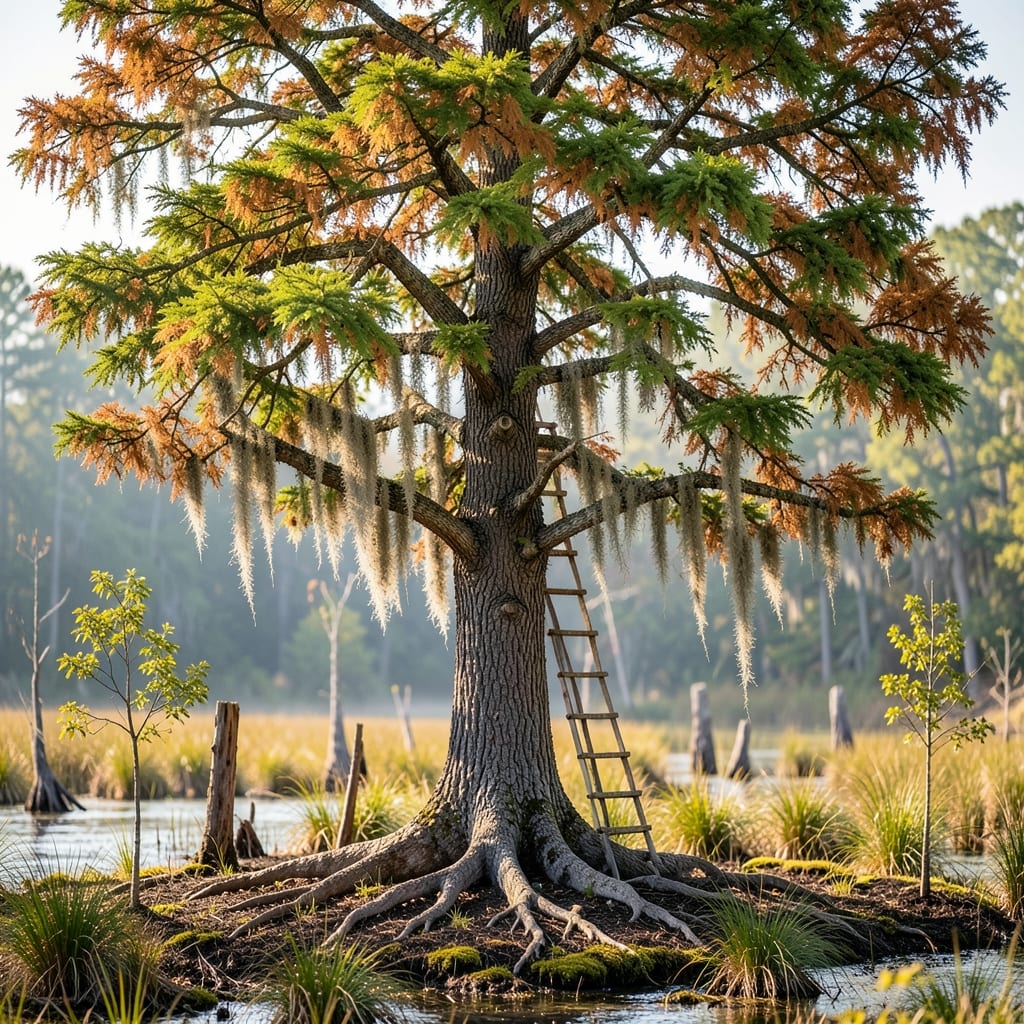
If you're curious about how tall cypress trees can grow, you're about to discover some impressive numbers—some varieties stretch toward the sky like natural skyscrapers, while others stay perfectly manageable for smaller spaces. The 🌲 cypress tree is one of nature's most dramatic vertical statements, with certain species reaching heights that will leave you in awe.
Whether you're dreaming of a towering Leyland cypress that could touch a three-story building or a compact Italian cypress for your urban garden, understanding their growth potential is key. These trees thrive in USDA Zone 6a and beyond, making them a popular choice for landscapes across the country—but their mature size can vary dramatically depending on the variety and growing conditions.
In this guide, I'll break down the height ranges you can expect from different cypress species, along with practical tips for managing their growth. Whether you're planning a backyard oasis or a cozy container garden, knowing how tall your cypress can (and should) grow will help you make the best planting decisions for your space.
Let's explore the stunning possibilities—and how to keep your cypress at the perfect height for your vision.


Cypress tree height by species: from 70-Foot giants to dwarf varieties
Cypress trees are famous for their dramatic vertical growth, but their mature height can vary wildly depending on the species. Some varieties stretch toward the sky like skyscrapers, while others stay perfectly manageable for small gardens. The Leyland cypress, for example, can reach 70 feet or more, while dwarf varieties like the Italian cypress stay under 20 feet. Choosing the right species is key to fitting your vision—and your space.
Before planting, consider your climate, soil type, and available space. Most cypress trees thrive in USDA Zone 6a or warmer, with well-drained soil and full sun. Some varieties, like the Bald cypress, even tolerate wet conditions, making them ideal for swamps or rain gardens. Others, like the Monterey cypress, prefer drier, coastal climates. Let’s explore the height ranges and growth habits of the most popular cypress species.
Here’s a quick comparison to help you visualize the differences:
| Species | Mature Height | Growth Rate | Ideal Climate |
|---|---|---|---|
| Leyland Cypress | 60–75 ft | Fast (3–5 ft/year) | Zones 6–10 |
| Bald Cypress | 40–70 ft | Moderate (2–3 ft/year) | Zones 4–9 (wet soils) |
| Monterey Cypress | 30–50 ft | Slow to moderate (1–2 ft/year) | Zones 7–10 (coastal) |
| Italian Cypress | 20–40 ft | Moderate (1–2 ft/year) | Zones 7–10 |
| Dwarf Italian Cypress | 10–15 ft | Slow (6–12 in/year) | Zones 7–10 (containers or ground) |
The Leyland cypress is the fastest-growing and tallest variety, making it a favorite for privacy screens or dramatic focal points. If you’re short on space, the Dwarf Italian cypress is a perfect alternative—it stays compact while still offering the classic cypress silhouette. For wetter climates, the Bald cypress is a hardy choice that handles soggy soil better than most.
Growth rates also vary significantly. The Leyland cypress can shoot up 3–5 feet per year in ideal conditions, while slower growers like the Monterey cypress add only 1–2 feet annually. This means a Leyland cypress planted today could reach 70 feet in just 15 years—so plan accordingly if you’re not keen on regular pruning.
If you’re designing a landscape with cypress trees, consider their mature canopy width too. Many cypress varieties spread 10–20 feet wide at maturity, so spacing is crucial. For example, planting two Leyland cypresses 6–8 feet apart will create a dense, fast-growing privacy hedge in no time. But if you’re working with a narrow yard, opt for a single narrow variety like the Italian cypress to avoid overcrowding.
For urban gardens or small patios, container-grown cypresses are a game-changer. Dwarf varieties like the 'Nana' Griffo cypress or 'Pygmy Blue' cypress thrive in 15–20 gallon pots and stay under 10 feet tall. Just ensure your container has drainage holes and use a lightweight, well-draining potting mix to keep roots healthy.
One common mistake is underestimating how quickly cypress trees grow. A Leyland cypress can double in height every few years, so if you’re not prepared for its mature size, it’s best to choose a slower-growing variety. Always check the USDA zone compatibility for your area—some cypress species, like the Monterey cypress, struggle in colder climates and may not reach their full potential.
Ready to pick the perfect cypress for your space? Start by matching the species to your climate, then consider how much height you’re comfortable with. Whether you’re aiming for a 70-foot skyscraper or a 10-foot patio centerpiece, there’s a cypress variety that’s just right.
Cypress tree height by species: from 70-Foot giants to dwarf varieties
Cypress trees are famous for their dramatic heights, but not all species reach for the sky. The Leyland cypress, for example, can grow a staggering 70–90 feet tall, while others like the Italian cypress stay more modest at 20–40 feet. Understanding these differences helps you choose the perfect tree for your space—whether you want a towering privacy screen or a compact accent plant.
Your choice of cypress species will determine not just height but also growth rate, maintenance needs, and even climate suitability. For instance, Bald cypress trees thrive in wet conditions and can reach 50–75 feet, while Monterey cypress stays smaller at 20–30 feet but offers stunning coastal charm. Let’s break down the height ranges so you can pick the right variety for your garden.
| Species | Mature Height | Growth Rate | Ideal Climate |
|---|---|---|---|
| Leyland Cypress | 70–90 ft | Fast (3–5 ft/year) | USDA Zones 6–10 |
| Bald Cypress | 50–75 ft | Moderate (2–3 ft/year) | USDA Zones 4–10 (wet soils) |
| Monterey Cypress | 20–30 ft | Slow (1–2 ft/year) | USDA Zones 7–10 (coastal) |
| Italian Cypress | 20–40 ft | Moderate (2 ft/year) | USDA Zones 7–9 |
| Dwarf Italian Cypress | 10–20 ft | Slow (1 ft/year) | USDA Zones 7–9 (containers) |
The Leyland cypress is the undisputed champion of height, growing up to 90 feet in ideal conditions. If you’re aiming for a dramatic focal point, this species is unbeatable—but be prepared for regular pruning to manage its rapid growth. On the other hand, dwarf varieties like the 'Nana' Griffo cypress offer all the elegance without the space commitment, making them perfect for urban gardens or containers.
Your USDA zone also plays a role in height potential. For example, Bald cypress trees in colder climates (Zone 4) may grow slower than those in warmer zones (Zone 10). Always check your local growing conditions to ensure your chosen cypress thrives—and reaches its full height potential.
When planning your landscape, consider not just height but also spread and growth rate. A Leyland cypress might dominate your yard in just a decade, while a Monterey cypress takes its time to mature. Think about how much space you can dedicate to vertical growth and whether you’re up for the maintenance of a towering giant.
Ready to pick the perfect cypress for your space? Start by matching your climate and yard size to the species that fits best. Whether you’re dreaming of a sky-high privacy screen or a charming container plant, there’s a cypress variety that’s just right for you.