
Size
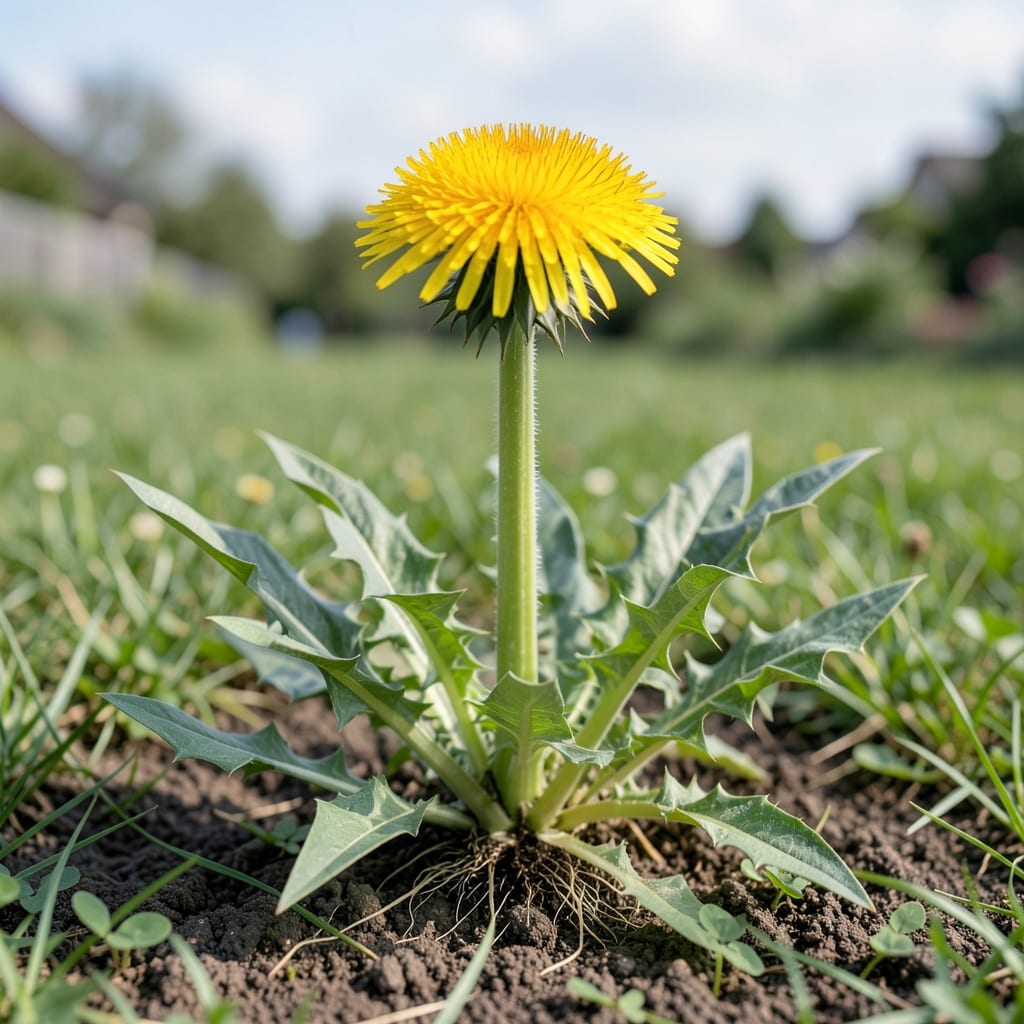
Ever spotted a dandelion 🌼 in your lawn and wondered how tall can dandelions grow? The answer lies in whether they're wild or carefully nurtured—because these resilient plants can grow anywhere from 6 inches to a towering 2 feet, depending on their environment.
In their natural state, wild dandelions typically max out around 12–18 inches, thriving in USDA Zone 6a and beyond. But when given ideal conditions—rich soil, full sun, and minimal competition—they can shoot up dramatically, especially during their spring growth window. The key difference? One is nature's default, while the other is a gardener's dream.
If you're curious about how to encourage (or control) their height in your garden, you're in the right place. Whether you're dealing with stubborn lawn weeds or cultivating ornamental varieties, understanding their growth habits is the first step to mastering them.
Let’s break down the science behind dandelion height—from wild sprouts to cultivated giants—and share practical tips to shape their growth exactly how you want it.


Wild dandelion height: nature’s uncontrolled growth limits
Wild dandelions (Taraxacum officinale) are masters of adaptability, thriving in cracks of concrete, lawns, and disturbed soil with minimal care. In their natural state, these perennial plants typically reach heights between 12 to 18 inches, though their stature can vary dramatically based on environmental conditions. Their growth follows a two-phase cycle: a low, rosette stage where leaves spread close to the ground, followed by a flowering stem that shoots upward when conditions are ideal.
The maximum height for wild dandelions rarely exceeds 24 inches, even in perfect growing conditions. This modest stature is partly due to their shallow root system, which prioritizes spreading horizontally to outcompete neighbors rather than growing tall. In drought-stressed or shaded areas, they may stay as short as 6 to 12 inches, while rich, well-drained soil and full sun can coax them closer to their upper limits.
Regional climate plays a surprising role in dandelion height. In cooler northern climates (like USDA Zones 3–5), dandelions often stay shorter due to shorter growing seasons and earlier frosts. Meanwhile, in warmer southern regions (Zones 7–10), they can grow taller and produce more seeds per plant, thanks to extended frost-free periods. Even a single late frost can stunt their growth by damaging emerging flower stalks.
Competition from other plants is another key factor. In a dense lawn, dandelions may only reach 8 to 12 inches because they’re constantly outcompeted for sunlight and nutrients. However, in open fields or gardens, where they face less competition, they can stretch toward their natural height potential of 18 to 24 inches. Their umbell-shaped flowers also play a role—the taller the plant, the more visible it becomes to pollinators, increasing seed production.
Soil quality directly impacts height. Dandelions prefer slightly acidic to neutral soil (pH 6.0–7.0) but can tolerate a wide range. In nutrient-poor soil, they’ll focus on survival rather than growth, staying short and producing fewer leaves. Conversely, soil amended with compost or phosphorus (like bone meal) can encourage taller stems, though this is rare in wild populations. Their deep taproots also help them access water and nutrients deep underground, supporting their vertical growth when conditions allow.
One of the most fascinating aspects of dandelion growth is their phenotypic plasticity—their ability to adjust height based on local conditions. For example, dandelions in urban environments often grow taller than those in rural areas due to higher nitrogen levels from lawn fertilizers and runoff. Conversely, wildflower meadows with diverse plant species tend to produce shorter dandelions because of competition for resources. This adaptability is why dandelions dominate disturbed soils worldwide—they’re not picky about where they grow, but their height reflects their environment.
If you’ve ever pulled a dandelion and noticed the thick, white taproot, you’ll understand why they don’t grow much taller. Their energy is divided between leaf production, flowering, and root expansion. In wild populations, taller individuals are often those that secured the best growing spot early in the season. Once the seed head (puffball) forms, the plant’s energy shifts to seed production, often causing the stem to weaken and bend under the weight of thousands of seeds.
For gardeners frustrated by dandelions in lawns, understanding their height limitations is key. Since wild dandelions rarely exceed 24 inches, regular mowing (cutting before flowering) can stunt their growth and reduce seed production. However, if you’re growing dandelions intentionally—for medicinal tea, salads, or ornamental gardens—you’ll need to provide ideal conditions to encourage taller growth. This includes full sun exposure, well-draining soil, and minimal competition from other plants.
In summary, wild dandelions are nature’s low-maintenance survivors, with heights dictated by their environment rather than genetic potential. While they rarely reach towering heights, their resilience and adaptability make them one of the most hardy and recognizable plants in gardens worldwide. Whether you’re battling them in your lawn or admiring their golden blooms in a meadow, their height is a direct reflection of their growing conditions.
Wild dandelion height: nature’s uncontrolled growth limits
Wild dandelions (Taraxacum officinale) are masters of survival, thriving in USDA Zone 6a and beyond with minimal care. In their natural state, these hardy plants typically reach heights of 12–18 inches, though they rarely exceed 2 feet unless conditions are ideal. Their growth is influenced by factors like soil quality, sunlight exposure, and competition from other plants.
The rosette stage is where wild dandelions start their journey, forming a low cluster of leaves close to the ground. Once they sense the right conditions—usually spring’s warmer temperatures—they bolt upward, sending up a single leafless stem topped with a bright yellow flower. This rapid growth is nature’s way of ensuring they can reproduce before summer’s heat sets in.
Regional variations play a role too. In cooler climates, like the Pacific Northwest, wild dandelions might stay shorter due to limited growing days. Conversely, in warmer southern regions, they can grow taller and produce more seeds, taking advantage of longer frost-free days. Even in your own backyard, a drought-stressed lawn can stunt their growth, while a well-watered garden bed might encourage slightly taller stems.
| Factor | Impact on Height |
|---|---|
| Soil Quality | Poor soil = shorter (6–12 inches); rich soil = taller (18–24 inches) |
| Sunlight | Full sun (6+ hours/day) = max height; partial shade = shorter stems |
| Water Availability | Drought = stunted (8–12 inches); consistent moisture = taller (18–24 inches) |
| Competition | High competition = shorter (6–10 inches); low competition = full growth potential |
| Climate | Cooler = shorter (10–14 inches); warmer = taller (18–24 inches) |
Environmental stress, like compacted soil or heavy foot traffic, can also limit their height. For example, dandelions growing in a densely mowed lawn might only reach 6–10 inches because their stems are constantly trimmed back. Meanwhile, those growing in a wildflower meadow or unmaintained garden bed have the space and resources to grow taller.
If you’re dealing with wild dandelions in your lawn, remember: their height is a direct reflection of their environmental conditions. While they may never reach the 2–3 feet of their cultivated cousins, their resilience makes them a fascinating study in nature’s adaptability. Understanding these limits can help you decide whether to embrace them or manage their growth more effectively.
Next, we’ll explore how selective breeding and controlled growing conditions can transform dandelions into towering ornamental plants—some even reaching 3 feet tall! 🌼