
Vegetables
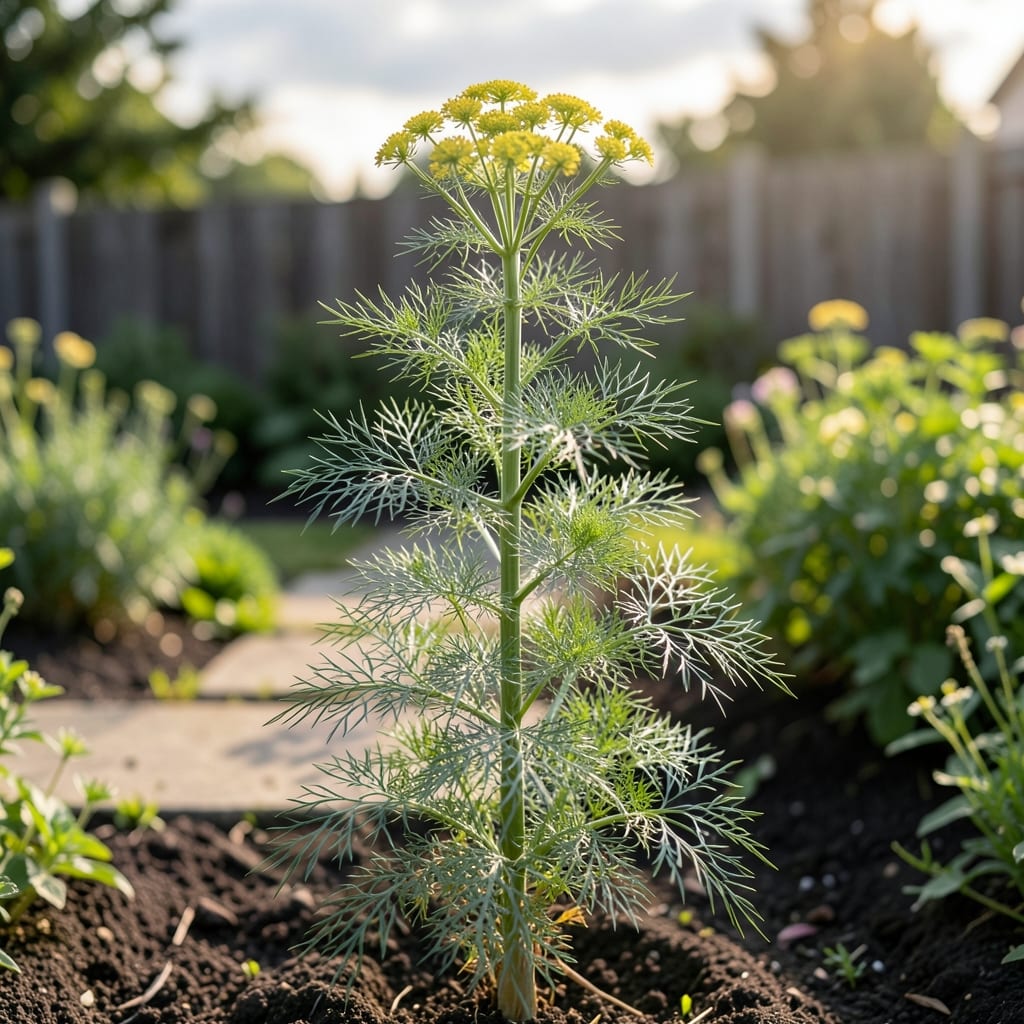
If you’ve ever planted dill wondering how tall it can grow, you’ve probably been surprised by its towering growth—this herb can reach up to 6 feet tall under the right conditions! While its height makes it a standout in the garden, understanding how tall dill can grow helps you plan spacing, support, and even when to harvest for the best flavor.
Most varieties of dill 🌿—like the popular 'Mammoth' or 'Fernleaf'—typically grow between 3 and 5 feet, but with plenty of sunlight and rich soil, they can stretch even taller. The key to managing its height lies in knowing your variety, providing proper care, and sometimes a little strategic pruning to keep it from flopping over.
Whether you’re growing dill in a backyard garden, raised beds, or containers, controlling its height ensures you get the most out of every plant. From choosing dwarf varieties for small spaces to staking taller stems, there are simple ways to enjoy lush, flavorful dill without sacrificing garden real estate.
Ready to harness dill’s full potential? Let’s break down how to encourage healthy growth, manage its size, and even pair it with companion plants for a thriving herb garden.

Dill growth height: natural height ranges and what affects them
Dill plants typically reach between 3 and 5 feet tall, but with ideal growing conditions, they can easily surpass 6 feet. This rapid vertical growth is one of dill’s most striking features, making it a standout in any herb garden. The height of your dill depends on several factors, including sunlight exposure, soil quality, and even the specific variety you’re growing.
For example, ‘Mammoth’ dill is known for its towering stature, often exceeding 5 feet, while smaller varieties like ‘Bouquet’ stay closer to 2 to 3 feet. Understanding these differences helps you choose the right variety for your garden space and goals.
Sunlight plays a critical role in dill’s height. Dill thrives in full sun, which encourages taller, more robust growth. If your plants receive less than 6 hours of sunlight daily, they may grow leggy and weak, reaching only 2 to 3 feet tall. In contrast, dill grown in optimal sunlight will grow vigorously and reach its full potential height.
Soil quality also impacts how tall dill grows. Well-draining, nutrient-rich soil provides the foundation for strong stems and lush foliage. If your soil is poor or compacted, dill may struggle to reach its maximum height, often staying under 4 feet. Amending your soil with compost or organic matter can make a significant difference in your plants’ growth.
Climate zones further influence dill’s height. In warmer climates, dill may grow faster and taller, sometimes reaching 6 feet or more within a single season. In cooler regions, growth may be slower, with plants maturing at around 3 to 4 feet. This variation is why many gardeners in cooler zones opt for dwarf varieties to ensure manageable growth.
Another key factor is watering consistency. Dill requires moderate moisture but can’t tolerate soggy soil. Overwatering or underwatering can stunt growth, leading to shorter plants. Aim for 1 inch of water per week, adjusting based on rainfall and temperature.
Finally, pruning habits can influence height. Regularly harvesting leaves encourages bushier growth, while leaving dill unpruned often results in taller, less dense plants. If you’re growing dill for its seeds, allowing it to bolt and flower will also contribute to its height, sometimes pushing it to 6 feet or taller.
| Factor | Impact on Height | Optimal Condition |
|---|---|---|
| Sunlight | 6+ hours = 4-6 ft; <3 hours = 2-3 ft | Full sun (6+ hours/day) |
| Soil Quality | Rich soil = 5-6 ft; poor soil = 3-4 ft | Well-draining, compost-amended |
| Variety | ‘Mammoth’ = 5-6 ft; ‘Bouquet’ = 2-3 ft | Choose based on garden space |
| Watering | Consistent = 4-6 ft; inconsistent = 2-4 ft | 1 inch/week, morning watering |
| Climate | Warm = 5-6 ft; cool = 3-4 ft | Adapt variety to your zone |
If you’re growing dill in containers, height can be more controlled, especially if you choose compact varieties. However, even in pots, dill will still reach its natural height if given enough space. For example, a 5-gallon container can comfortably accommodate a 3-foot-tall dill plant, while taller varieties may need deeper pots or staking for support.
One common misconception is that dill’s height is solely determined by genetics. While variety does play a role, environmental factors like sunlight, soil, and watering can significantly alter how tall your dill grows. By optimizing these conditions, you can encourage your plants to reach their full potential height while keeping them healthy and productive.
For gardeners in small spaces, focusing on dwarf varieties or regular pruning can help manage height without sacrificing yield. Even in limited areas, dill can thrive as long as it receives adequate care and attention. With the right approach, you can enjoy lush, flavorful dill—whether it’s 3 feet or 6 feet tall!
Dill growth height: natural height ranges and what affects them
Dill’s height range can vary dramatically depending on growing conditions, but most varieties reach between 3 and 5 feet tall. In ideal settings—like full sun exposure and nutrient-rich soil—some varieties, such as 'Mammoth' dill, can stretch up to 6 feet, making them the tallest in the herb family. Understanding these natural growth patterns helps you plan your garden layout and choose the right varieties for your space.
The sunlight requirement is one of the biggest factors influencing dill’s height. Dill thrives in 6+ hours of direct sunlight daily, which encourages vertical growth. In shadier conditions, plants may grow shorter but often become leggy and less productive. If you’re in a cooler climate zone (like USDA Zone 5 or below), dill may grow more slowly, reaching its full height later in the season.
Soil quality also plays a critical role. Dill prefers well-draining, slightly acidic soil with a pH between 6.0 and 7.0. Amending your soil with compost or organic matter can give dill the nutrients it needs to grow taller and stronger. Without proper nutrients, dill may stay stunted or develop weak stems that struggle to support its height.
| Factor | Impact on Height | Optimal Condition |
|---|---|---|
| Sunlight | 6+ hours/day = 4-6 ft; <4 hours = 2-3 ft | Full sun (south-facing spot) |
| Soil Quality | Rich soil = taller; poor soil = stunted | Well-draining, compost-amended |
| Variety | 'Mammoth' = 6 ft; 'Bouquet' = 3 ft | Choose based on garden space |
| Watering | Consistent moisture = strong stems | 1 inch/week (morning watering) |
Another key factor is the dill variety you choose. Some varieties, like 'Fernleaf' dill, are bred to stay shorter and bushier, making them ideal for container gardening or small plots. Others, like 'Mammoth' dill, are grown specifically for their towering height, often reaching 6 feet or more. If you’re growing dill in containers, opt for dwarf varieties to avoid overcrowding.
Climate also affects dill’s growth rate. In warmer climates (like USDA Zone 8 and above), dill grows quickly and may bolt (go to seed) faster, which can limit its height. In cooler regions, dill takes longer to mature but often grows taller before bolting. This is why many gardeners in cooler zones plant dill early in the spring to maximize its growth potential.
Finally, pruning habits can influence how tall dill grows. Regularly harvesting leaves encourages bushier growth, while leaving dill unpruned often results in taller, leggier plants. If you’re growing dill for its seeds (like for pickling), you’ll want to allow it to grow tall and bolt naturally. For leaf harvests, pruning keeps plants shorter and more productive.
By understanding these factors, you can control dill’s height and ensure it thrives in your garden—whether you’re aiming for a towering herb bed or a compact container setup. 🌿