
Size
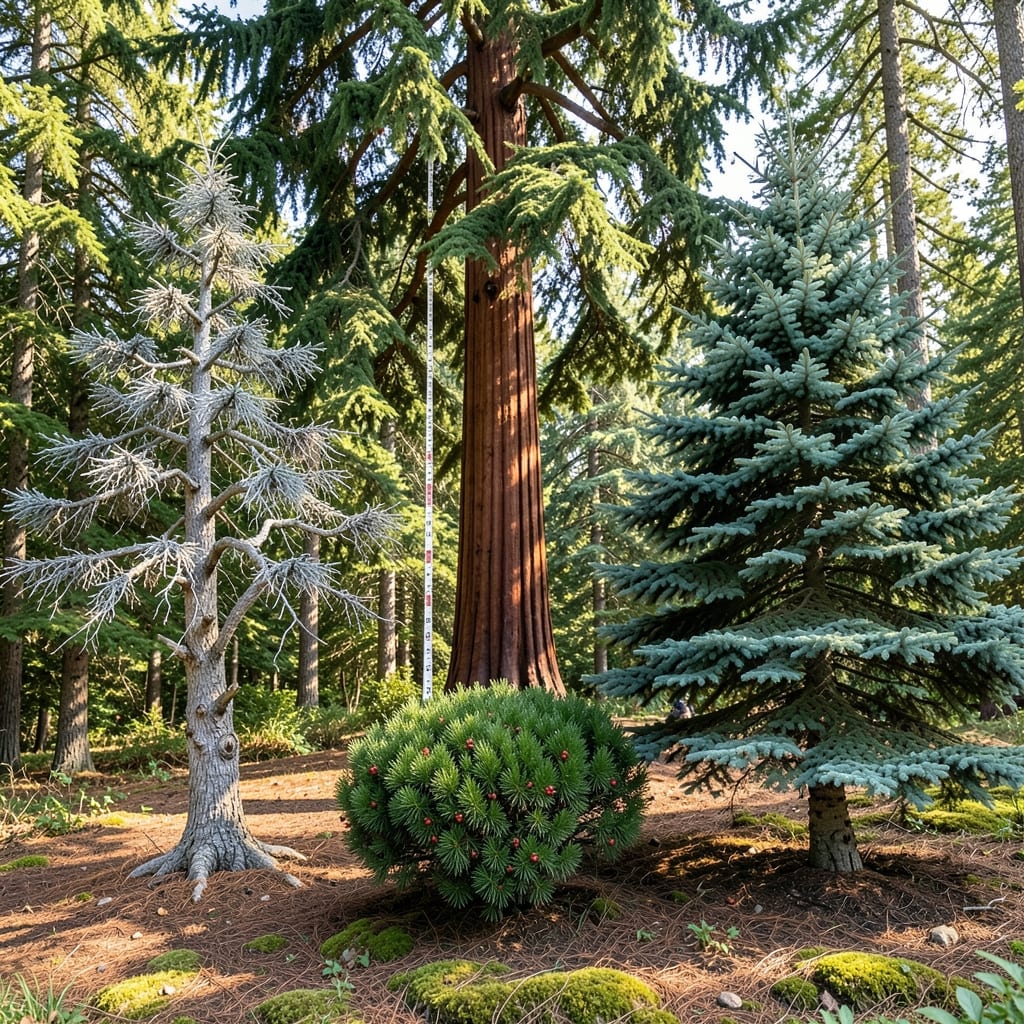
If you’ve ever stood beneath a towering evergreen tree and wondered just how tall can evergreen trees grow, the answer might surprise you—some reach heights that dwarf even the tallest buildings. From the whispering boughs of a 10-foot dwarf variety to the sky-piercing branches of a 150-foot giant, these trees offer options for every space, whether you’re landscaping a sprawling estate or a cozy backyard.
What makes their height so variable? The answer lies in their species, your climate, and even the soil beneath their roots. A coastal redwood might stretch toward the clouds, while a carefully pruned spruce stays manageable. Understanding these factors is the key to choosing the perfect evergreen for your vision—whether you want a privacy screen, a focal point, or just a touch of year-round greenery.
But here’s the best part: you don’t have to settle for one-size-fits-all. Whether you’re working with a small urban yard or a rural acreage, there’s an evergreen that fits. I’ll break down the tallest giants, the most compact picks, and the smartest ways to predict how your tree will grow over time—so you can plant with confidence and enjoy the results for decades.
Ready to transform your outdoor space? Let’s explore the skyward potential of evergreens and how to make them work for your landscape—no matter how big (or small) your dreams are.


Tallest evergreen trees in the world: record-breaking giants and their growth habits
When it comes to evergreen trees, some species defy gravity, reaching heights that seem almost impossible. The coast redwood (Sequoia sempervirens) holds the title for the tallest tree on Earth, with specimens like Hyperion soaring over 380 feet—taller than a 40-story building. These giants aren’t just tall; they’re also among the oldest living organisms, with some exceeding 2,000 years of age. Their rapid growth—up to 3 feet per year in ideal conditions—makes them a favorite for grand landscapes, but their size demands careful planning.
Not all towering evergreens need coastal fog to thrive. The Douglas fir (Pseudotsuga menziesii) is another heavyweight, often exceeding 300 feet in the Pacific Northwest. Meanwhile, the giant sequoia (Sequoiadendron giganteum), though shorter than redwoods, boasts massive girth—some trunks measure 36 feet in diameter. These trees grow slower but live even longer, with lifespans reaching 3,000 years. Their sheer scale makes them a statement piece, but they require wide-open spaces and deep, well-draining soil to reach their potential.
🌲
While these giants steal the spotlight, their juvenile growth is often more modest. A 10-year-old coast redwood might only reach 30 feet, making it deceptively manageable in early years. This slow start is why many gardeners underestimate how much space these trees will need. For example, a Ponderosa pine planted today could easily outgrow your backyard in 50 years if given the right conditions. Always factor in future height when choosing a location—these trees aren’t just tall; they’re permanent fixtures in your landscape.
Climate plays a huge role in how tall evergreens grow. Coastal redwoods, for instance, rely on marine layer fog to stay hydrated, while giant sequoias thrive in dry, mountainous regions with poor soil. If you’re in a hot, dry climate, species like the Ponderosa pine or Eastern white pine might struggle to reach their full height. Conversely, in cool, wet conditions, these same trees can grow 2–3 times faster than average. Always check USDA hardiness zones and local climate data
Space-saving evergreens: compact varieties for small yards and containers
Not every garden has room for a 100-foot redwood, but that doesn’t mean you have to skip evergreens entirely. Compact varieties bring the same year-round color and texture without the overwhelming height. These space-saving evergreens are perfect for small urban yards, balcony containers, or even as foundation plantings near driveways.
What makes a dwarf evergreen? Typically, these are genetically selected cultivars or species that naturally grow slowly. Some stay under 10 feet tall their entire lives, while others reach 20 feet but with a narrow, columnar shape that saves space. The key is choosing one that matches your available height and garden style—whether you prefer a rounded shrub or a sleek vertical accent.
Before you pick, consider your sunlight exposure and soil drainage. Most dwarf evergreens thrive in full sun to partial shade, but a few, like the Dwarf Alberta Spruce, tolerate shadier conditions. Poor drainage can stunt even the hardiest varieties, so amend clay soil with compost or sand if needed.
🌱 Rating Bar: Compact Evergreens for Small Spaces
Rating Key: ★★★★★ = Very Low Maintenance | Height = Mature Size | Spread = Canopy Width
For container gardening, prioritize root-bound varieties like the Blue Rug Juniper or Golden Globe Juniper. These thrive in 15-20 gallon pots with well-draining soil and benefit from a slow-release fertilizer in spring. Just remember: even dwarf evergreens need proper drainage holes to prevent root rot.
Pruning plays a role in keeping these trees manageable. A light trim in late winter or early spring encourages denser growth, but avoid heavy pruning—it can stress small evergreens. Instead, use hand pruners to shape gradually and remove only dead or overgrown branches.
If you’re renting or unsure about long-term growth, opt for slow-growing species like the Dwarf Hinoki Cypress, which adds just 1-2 inches per year. Pair it with mulch to retain moisture and suppress weeds, and you’ll have a low-maintenance evergreen that fits almost anywhere.