
Plants
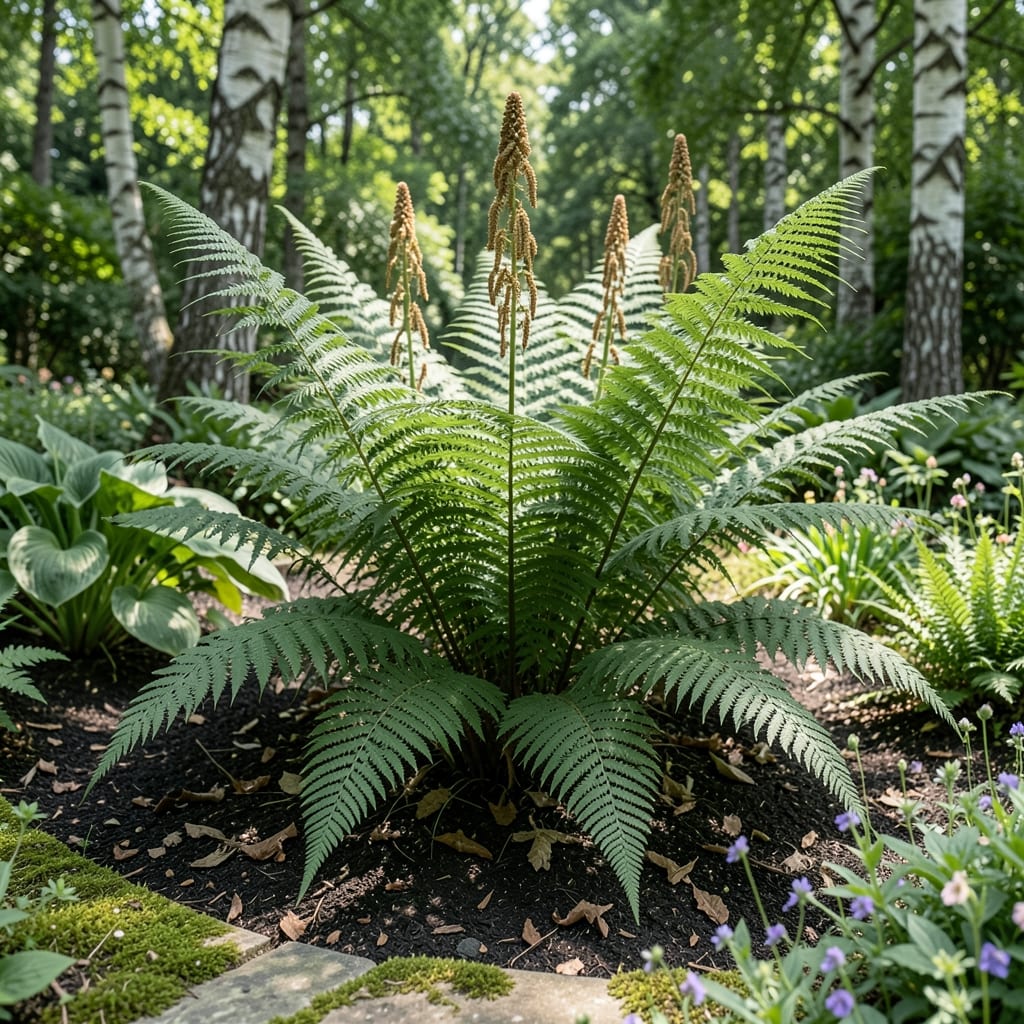
If you’ve ever wondered how tall can ferns grow, you’re not alone—these lush, leafy plants can surprise you with their range, from delicate tabletop companions to towering giants that rival small trees. 🌿 The answer depends entirely on the species, and some varieties will happily stay under 2 feet, while others stretch toward the sky, reaching heights of 10 feet or more.
For gardeners with limited space, dwarf ferns like the maidenhair or Boston fern are perfect, thriving in containers or hanging baskets without taking over. But if you’re dreaming of a woodland garden with dramatic vertical accents, species like the ostrich fern or cinnamon fern can create a stunning, natural focal point. The key? Understanding their growth habits and giving them the right conditions.
Sunlight, soil, and even pruning play a huge role in controlling height—too much shade might stunt growth, while rich, moist soil can encourage ferns to reach their full potential. Whether you’re aiming for a compact 1-foot specimen or a bold 6-foot statement plant, knowing what to expect will help you plan your garden like a pro.
Let’s break down the height ranges by species, so you can pick the perfect fern for your space—whether it’s a tiny corner or a sprawling outdoor retreat. You’ll discover which varieties stay small, which grow tall, and how to keep them exactly the size you want.


Fern height ranges by species: from tiny ground covers to tree-like giants
Ferns come in every size imaginable, from delicate miniature varieties that fit in terrariums to towering giants that dominate woodland gardens. The height of your fern depends entirely on the species—some stay under 12 inches while others reach 10 feet or more. Understanding these ranges helps you choose the perfect fern for your space, whether it’s a windowsill or a shady corner of your yard.
For gardeners with limited space, dwarf ferns like the maidenhair fern (Adiantum) or button fern (Pellaea) are ideal, rarely exceeding 12 inches in height. These varieties thrive in containers and hanging baskets, making them perfect for patios or balconies. On the other end of the spectrum, tall ferns like the ostrich fern (Matteuccia struthiopteris) or cinnamon fern (Osmunda cinnamomea) can grow 5 to 10 feet tall, creating dramatic vertical accents in your garden.
Most ferns fall into three height categories: dwarf (under 12 inches), medium (12-36 inches), and tall (36+ inches). The table below breaks down popular species by their mature height, so you can pick the perfect fit for your garden design. Whether you’re aiming for a compact ground cover or a statement plant, there’s a fern that matches your vision.
| Category | Species | Mature Height | Growth Habit |
|---|---|---|---|
| Dwarf | Maidenhair Fern (Adiantum) | 6-12 inches | Clumping, delicate fronds |
| Dwarf | Button Fern (Pellaea) | 6-12 inches | Low-growing, drought-tolerant |
| Medium | Boston Fern (Nephrolepis exaltata) | 2-3 feet | Trailing, lush fronds |
| Medium | Holly Fern (Cyrtomium falcatum) | 2-3 feet | Upright, leathery fronds |
| Tall | Ostrich Fern (Matteuccia struthiopteris) | 3-5 feet | Clumping, feathery fronds |
| Tall | Cinnamon Fern (Osmunda cinnamomea) | 4-8 feet | Tall, arching fronds |
The Boston fern (Nephrolepis exaltata) is one of the most popular medium-height ferns, typically reaching 2 to 3 feet tall. It’s perfect for hanging baskets or as a trailing plant in shady garden beds. If you love the look of lush, feathery foliage but have limited space, this variety is a fantastic choice. For a bold landscape statement, the cinnamon fern is unbeatable, with its 4 to 8-foot fronds creating a dramatic focal point in woodland gardens.
Some ferns, like the bird’s nest fern (Asplenium nidus), can grow 3 to 5 feet tall but are often pruned to keep them more compact. This versatility makes them ideal for both indoor and outdoor settings. If you’re growing ferns in containers, choose dwarf or medium-height varieties to avoid overcrowding. For ground covers, low-growing species like the Japanese painted fern (Athyrium niponicum) spread horizontally, staying under 2 feet tall while covering large areas.
When selecting ferns for your garden, consider not just their height but also their growth rate and spread. Some ferns, like the holly fern, grow slowly but can still reach 3 feet over time, while others, like the ostrich fern, grow quickly and may need regular pruning to control their size. Pay attention to these details to ensure
Fern height ranges by species: from tiny ground covers to tree-like giants
Ferns are one of nature’s most versatile plants, with heights ranging from delicate 6-inch ground covers to towering 10-foot giants. The difference? Their species and growing conditions. For example, the maidenhair fern stays compact at just 12-18 inches, perfect for terrariums, while the ostrich fern can reach 5-6 feet in ideal conditions. Understanding these ranges helps you choose the right fern for your space.
Dwarf ferns like the button fern (under 12 inches) are ideal for rock gardens or container displays. Medium-height varieties such as the Boston fern (2-3 feet) thrive in hanging baskets or as indoor plants. Meanwhile, tree ferns (5-10 feet) add dramatic vertical interest to woodland gardens or shaded corners. The key is matching the species to your garden’s scale.
Light exposure plays a huge role in height. For instance, Boston ferns grown in bright, indirect light stay lush and 2-3 feet tall, but they can stretch taller in low light. Meanwhile, tree ferns thrive in partial shade and grow faster, reaching their maximum height of 10 feet in just a few years. If you’re aiming for compact growth, prioritize morning sun and avoid deep shade.
Soil moisture is another critical factor. Ferns prefer consistently moist, well-draining soil—dry conditions stunt growth, while soggy soil can cause root rot and limit height potential. Amending your soil with peat moss or compost ensures nutrients are available for strong, healthy growth. For example, cinnamon ferns (3-4 feet) grow best in rich, humusy soil, while button ferns (6-12 inches) do well in leaner, rocky mixes.
Pruning isn’t just for shaping—it’s a tool to control height. Regularly trimming leggy or overgrown fronds encourages bushier, more compact growth. For tall ferns like ostrich ferns, prune back 1/3 of the height in early spring to promote denser foliage. Even dwarf varieties benefit from a light trim to maintain their neat, tidy appearance. Just avoid cutting into old wood, as ferns don’t regrow from bare stems.
Whether you’re dreaming of a miniature fern collection or a dramatic woodland backdrop, choosing the right species is the first step. Start with your space’s dimensions, then match it to the fern’s mature height. With the right care, you’ll have ferns that fit perfectly—whether they’re 6 inches tall or 10 feet high. 🌿