
Trees
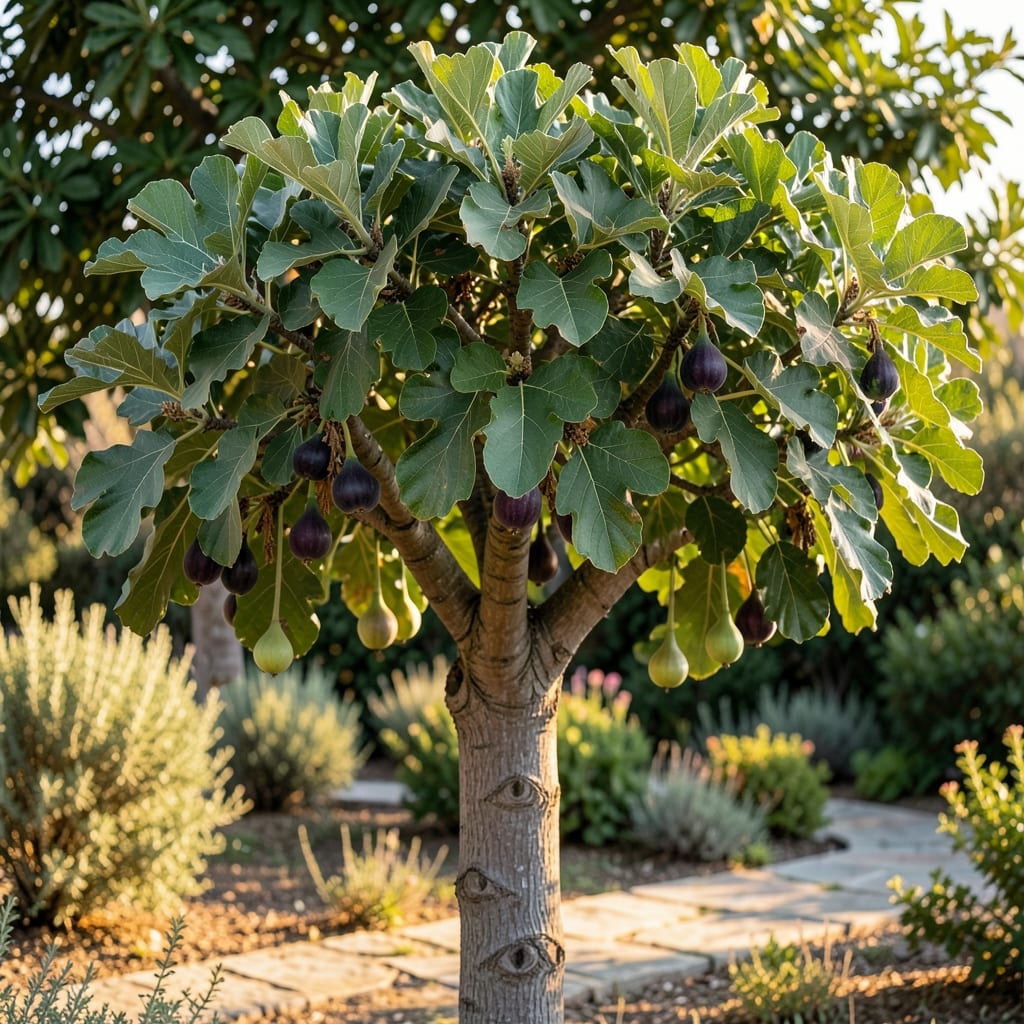
If you're wondering how tall fig trees can grow in your garden, the answer depends on the variety and growing conditions. Some stay compact enough for a sunny patio, while others can grow tall enough to shade an entire backyard.
Whether you're dreaming of a dwarf variety that tops out at just 6 feet or a towering giant reaching over 100 feet in ideal conditions, your climate and pruning habits play a huge role. I'll break down the key factors that determine how tall your fig tree can grow—and how to manage its size if needed.
From Mediterranean climates where figs thrive to cooler USDA Zone 6a areas, where growth patterns shift dramatically, understanding these variables is the key. You'll also discover simple pruning techniques that can keep even the largest varieties in check, making them perfect for containers or small spaces.
Ready to find the perfect fig tree for your space? Let's explore the varieties, growing conditions, and maintenance tips that will help you grow the ideal tree—no matter how much (or how little) height you want.


Fig tree height by variety: dwarf to towering giants (with exact measurements)
Fig trees come in a stunning range of sizes, from compact patio varieties to towering jungle giants. The height of your fig tree depends on its cultivar, growing conditions, and whether you prune it regularly. Some varieties stay under 6 feet, while others can reach 100 feet or more in ideal climates like the Mediterranean.
If you're working with limited space, dwarf varieties are the perfect solution. These stay manageable even in containers, while standard varieties thrive in backyards with room to grow. Understanding these differences helps you pick the right fig tree for your garden layout and maintenance style.
Below is a comparison of popular fig tree varieties by height, including their growth habits and pruning potential. This will help you visualize which size fits your space and goals.
For example, the Little Miss Figgy is perfect for a container garden on your patio, while the Celeste variety is more suited for tropical climates where it can grow into a shade-providing giant. If you're in a cooler climate like USDA Zone 6a, varieties like Chicago Hardy are ideal because they're cold-hardy and stay manageable in size.
Standard varieties like Brown Turkey and Desert King are excellent for backyards with ample space. They produce abundant fruit but require regular pruning to keep them from becoming unruly. If you're unsure about pruning, these varieties can still be managed with structured training like espalier, which we'll cover in the next section.
One key factor to remember is that fig trees grown in containers will naturally stay smaller than those planted in the ground. However, even container-grown figs can reach their mature height if given enough space and proper care. For instance, a Chicago Hardy in a large pot might only reach 8 feet instead of 10 feet.
If you're planning to grow figs in cooler climates, choose cold-hardy varieties like Chicago Hardy or Celeste (with protection). These varieties are bred to withstand colder temperatures and still produce fruit, making them a great choice for gardeners in USDA Zones 6-9.
For those in warmer climates, varieties like Desert King or Celeste can grow much taller and faster. In these conditions, fig trees can reach their full height potential with minimal effort, so pruning becomes essential for managing their size.
Whether you're after a compact variety for your balcony or a towering giant for your backyard, choosing the right fig tree ensures you get the perfect fit for your space—and the sweetest harvests. Next, we'll explore how your climate and growing conditions can further influence your fig tree's height.
Climate and growing conditions that affect fig tree height
Your local climate is the #1 factor determining how tall your fig tree will grow. Mediterranean climates with hot, dry summers and mild winters create ideal conditions for rapid growth, while cooler USDA Zone 6a areas may see stunted growth if not properly managed. Even within the same region, microclimates—like a south-facing wall or sheltered garden spot—can make a 10-foot difference in mature height.
Sunlight exposure directly impacts growth rates. Fig trees thrive with 6+ hours of direct sun daily, but too little light leads to leggy, weak growth and reduced fruit production. In shadier spots, trees may stay compact but produce fewer figs. Meanwhile, excessive afternoon shade in hot climates can stress the tree, slowing vertical growth.
Soil type plays a surprising role too. Fig trees prefer well-draining, slightly alkaline soil (pH 6.0–7.0). Heavy clay soils can restrict root development, limiting how tall your tree grows, while sandy loam allows roots to spread freely, supporting taller growth. Amending your soil with compost or organic matter can make a noticeable difference in a tree's height potential over time.
Water availability is another critical factor. While fig trees are drought-tolerant once established, consistent moisture during their first 2–3 years helps them reach their full height potential. Overwatering, however, can lead to root rot and stunted growth. In arid climates, deep but infrequent watering encourages deeper root systems, which support taller growth.
| Condition | Impact on Height | Ideal Range |
|---|---|---|
| Climate Zone | Warmer zones (8–11) = taller growth; cooler zones (6–7) = slower growth | USDA 8–11 for full potential; 6a with protection |
| Sunlight | 6+ hours = vigorous growth; <4 hours = stunted, leggy growth | Full sun (6–8 hours daily) |
| Soil Type | Well-draining = taller growth; heavy clay = restricted roots | Sandy loam or amended clay |
| Watering | Deep, infrequent watering = deeper roots; overwatering = stunted growth | 1–2 inches per week (deep soak) |
| Fertilization | Balanced NPK = steady growth; over-fertilizing = weak, fast growth | 10-10-10, every 4–6 weeks in growing season |
Temperature swings also affect height. Fig trees in temperate climates may enter dormancy in winter, slowing growth until spring. In tropical zones, where temperatures stay warm year-round, fig trees grow continuously, often reaching their mature height faster. If you're in a cooler climate, consider planting near a sunny wall or using winter protection (like burlap wraps) to encourage taller growth over time.
One often-overlooked factor is wind exposure. While fig trees aren’t wind-sensitive, strong winds can cause branches to grow unevenly or snap, limiting height potential. Planting near a windbreak—like a fence or hedge—helps the tree grow straight and strong, reaching its full height without structural damage.
By tailoring your care to your specific climate, you can maximize or control your fig tree’s height. Whether you want a patio-sized dwarf or a towering shade tree, understanding these conditions will help you grow the perfect fig tree for your space. 🌳