
How To
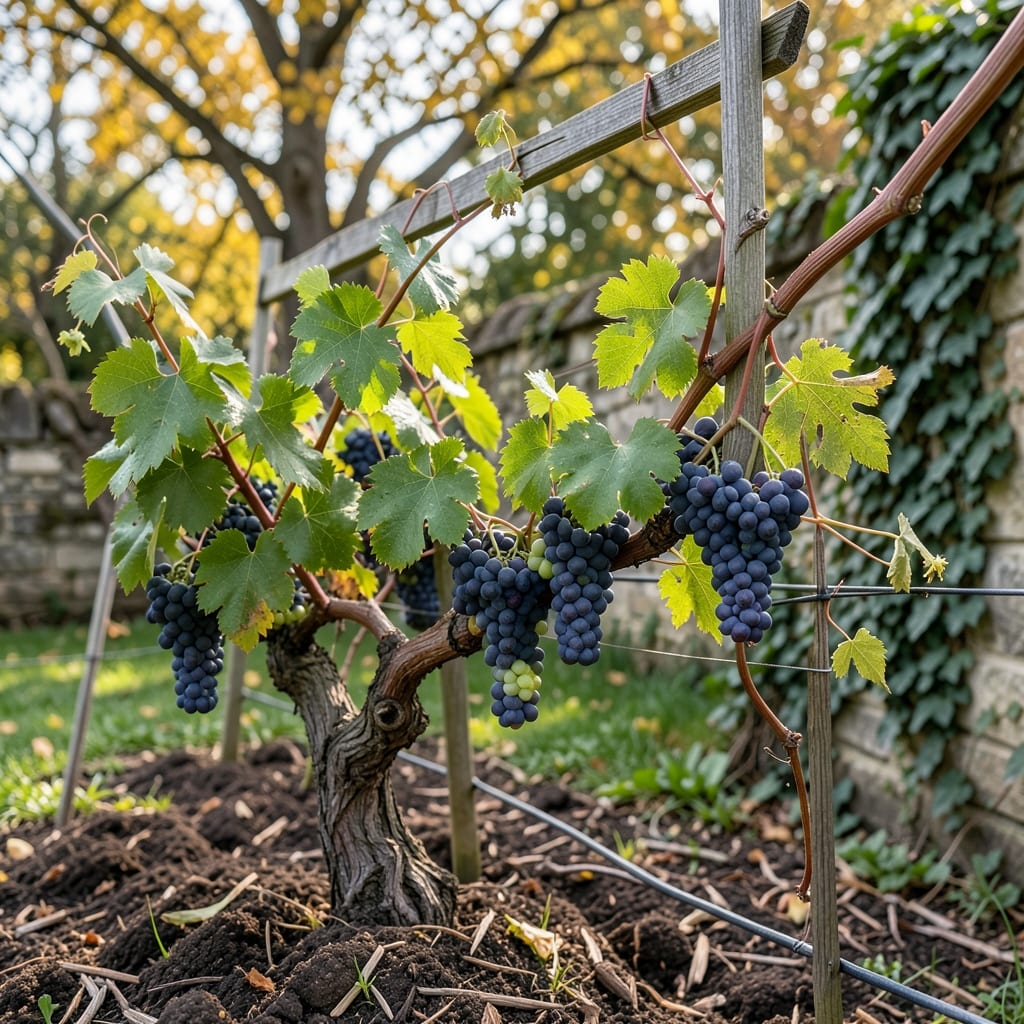
Wondering how tall can grape vines grow in your backyard? You might be surprised to learn these 🍇 powerhouses can reach heights from compact 6 feet to towering 30 feet—or even higher with the right conditions and care. Whether you're dreaming of a lush trellis or a sprawling vineyard, understanding your grape vine's potential growth is the first step to creating the perfect growing environment.
Most grape varieties naturally climb, but their ultimate height depends on factors like pruning techniques, trellis support, and even your local climate in USDA Zone 6a. The good news? With the right training methods, you can easily manage their growth to fit your space—whether that's a cozy balcony or a sprawling garden. Let's explore how to harness this natural climbing ability to your advantage.
From dwarf varieties perfect for containers to sprawling vines that can scale a 20-foot arbor, the possibilities are endless. You'll discover which grape types thrive in smaller spaces and how to encourage healthy growth without sacrificing yield. Whether you're a beginner gardener or a seasoned vine enthusiast, these insights will help you make the most of your grape-growing adventure.
Ready to transform your space with these versatile vines? I'll walk you through everything you need to know about managing grape vine height—from planting in spring to harvesting in August-October. Let's get your 🍇 vines growing to their full potential while keeping them perfectly in check!


Grape vine height by cultivar: compact varieties vs. towering giants
Grape vines are masters of vertical growth, but their ultimate height varies dramatically depending on the cultivar and growing conditions. Some varieties stay neatly contained at 6 feet or less, while others can climb to 30 feet or more if left unchecked. The key lies in understanding your vine's natural tendencies and matching them to your space and goals.
For example, Vitis vinifera varieties like Cabernet Sauvignon and Chardonnay are classic sprawlers, often reaching 20-30 feet when grown in ideal conditions. Meanwhile, Vitis labrusca types like Concord and Niagara typically top out around 15-25 feet. But don't worry—even these giants can be trained to stay shorter!
If space is limited, consider dwarf varieties specifically bred for containers or small gardens. These can stay as short as 4-8 feet with proper care, making them perfect for balconies or patios. The secret? Selecting the right cultivar from the start and implementing smart training techniques.
🚨 NON-NEGOTIABLE: Here's how grape vine heights compare across popular varieties: ```html
| Variety | Mature Height | Growth Habit | Best For |
|---|---|---|---|
| Thompson Seedless | 15-25 ft | Sprawling | Arbors, pergolas |
| Concord | 12-20 ft | Bushy | Backyard gardens |
| Muscat | 8-15 ft | Compact | Containers, small spaces |
| Cabernet Sauvignon | 20-30 ft | Aggressive climber | Large trellises, vineyards |
| Niagara | 10-18 ft | Semi-compact | Balconies, patios |
| Dwarf varieties (e.g., 'Flame Seedless') | 4-8 ft | Bushy, contained | Containers, small gardens |
The table above shows how dramatically grape vine heights can differ between varieties. If you're working with limited space, dwarf varieties like Flame Seedless are excellent choices, staying under 8 feet even in ideal conditions. These are perfect for container gardening or small urban spaces where vertical growth needs to be controlled.
For those with more room, varieties like Thompson Seedless and Concord offer a balance between manageable size and excellent yield. These can easily be trained to stay between 15-20 feet with proper pruning and support. The key is to choose a variety that matches both your space and your gardening goals—whether that's fresh fruit, wine grapes, or simply beautiful foliage.
Remember that even "tall" varieties can be managed with the right techniques. For instance, Cabernet Sauvignon, which naturally reaches 20-30 feet, can be pruned aggressively to stay under 10 feet if you're working with limited vertical space. The same vine can produce excellent fruit whether it's climbing a 20-foot trellis or trained along a 6-foot arbor!
When selecting your grape vine, consider not just the mature height but also how the vine naturally grows. Some varieties like Concord have a bushier habit, while others like Cabernet Sauvignon are more aggressive climbers. This growth habit will influence how you need to support and prune your vine to achieve your desired height.
💡 Pro Tip: If you're unsure which variety to choose, start with a semi-compact type like Niagara or Muscat. These offer a good balance between manageable size and productivity, making them ideal for gardeners new to grape growing. They typically reach 10-15 feet, which works well for most backyard settings.
One common misconception is that grape vines will always grow to their maximum potential height. In reality, with proper training and pruning, you can significantly influence how tall your vine becomes. This flexibility is one of the biggest advantages of growing grapes—they can adapt to almost any space with the right care.
For example, I once grew Thompson Seedless grapes on a 10-foot trellis in my backyard. With careful pruning and training, the vines stayed perfectly contained while still producing 50 pounds of grapes per season. The same variety grown without support in a vineyard can easily exceed 25 feet—showing just how much control you have over vine height!
As you plan your grape vine's growth, think about both the horizontal and vertical space you have available. Some gardeners prefer training vines along fences or arbors, while others
How to control grape vine height: pruning, training, and support methods
Managing grape vine height is all about the right techniques—whether you want a 6-foot trellis or a sprawling 20-foot arbor. The key lies in pruning, training, and support systems tailored to your space and goals. With these methods, you can guide your vines to reach their full potential without overpowering your garden.
Start with pruning, which shapes growth and controls height. For compact vines, prune aggressively in late winter to encourage bushier growth, while taller varieties benefit from selective pruning to maintain a balanced structure. Always use clean, sharp tools to avoid disease and ensure healthy regrowth.
Next, consider training methods like espalier, which flattens vines against a wall or trellis, or cordon training, ideal for arbors. These techniques not only manage height but also improve air circulation and sunlight exposure—critical for fruit production. For example, espaliered vines can stay under 8 feet while still yielding abundant grapes.
Use container training for dwarf varieties like Thompson Seedless. Prune back by 1/3 annually to keep vines under 6 feet.
Install a trellis or arbor to guide vertical growth. Train vines to climb using soft ties or twine, adjusting as they grow.
Prune dormant vines in late winter. Remove dead or weak canes first, then cut back remaining canes to 4-6 buds for balanced growth.
Deep water 2-3 times weekly during growing season. Reduce to once weekly in winter to encourage dormancy and control height.
Support systems are just as important as pruning. A strong trellis or arbor keeps vines off the ground, reducing disease risk and making harvesting easier. For tall varieties like Concord, use a T-bar trellis to support heights up to 15 feet. If you're growing in containers, choose a sturdy pot with a trellis built in to prevent toppling.
Don’t forget about seasonal adjustments. In spring, focus on encouraging new growth with balanced fertilization, while in fall, taper back on watering to harden off vines for winter. This seasonal care ensures your vines grow strong and manageable year after year.
With these techniques, you can transform even the most ambitious grape vine into a manageable, productive part of your garden—whether it’s a 6-foot balcony vine or a 20-foot backyard arbor. Experiment with different methods to find what works best for your space and variety! 🌿