
Size
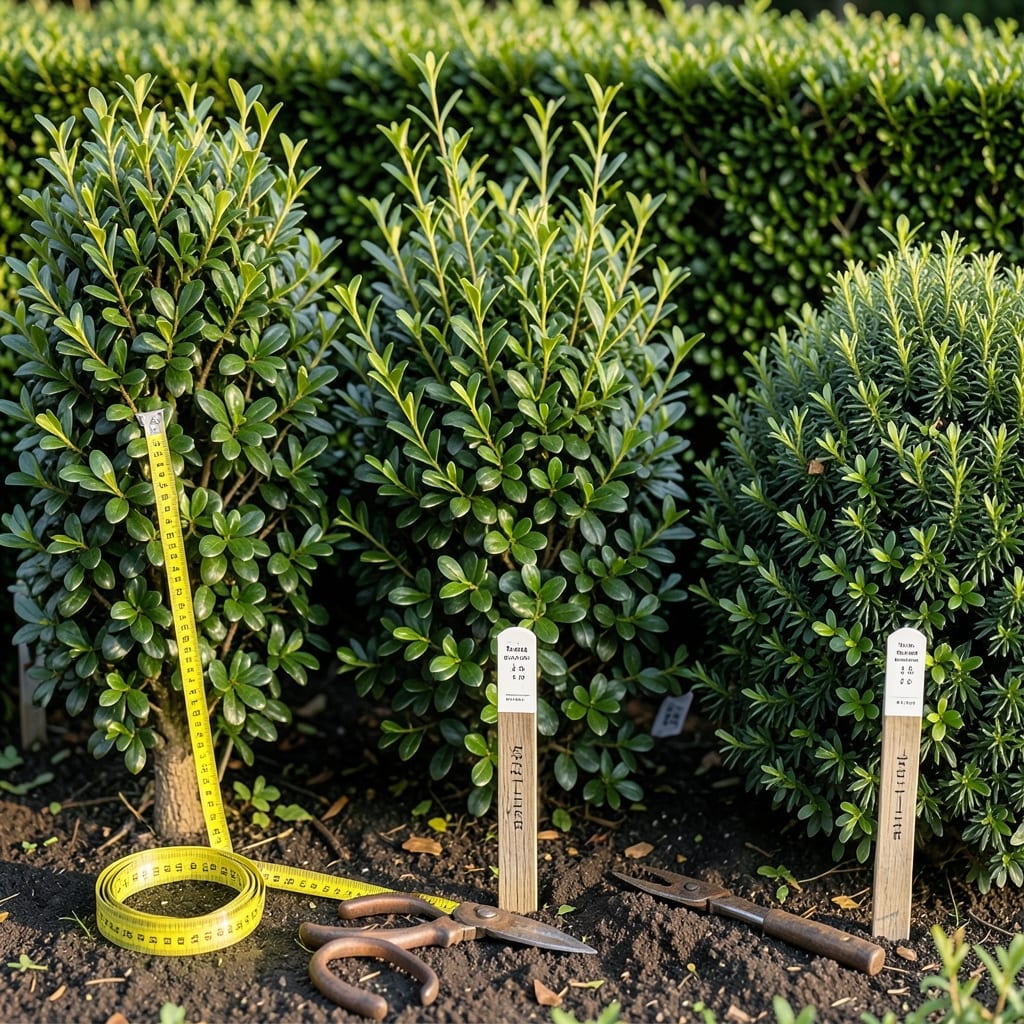
If you’ve ever stared at a 20-foot-tall hedge and wondered how something so impressive could grow in your own yard, the answer lies in choosing the right species—and knowing how to nurture it. Some hedges shoot up 3 to 5 feet per year, turning a modest planting into a towering privacy screen or dramatic landscape feature in just a few seasons.
But not all hedges reach sky-high heights. While dwarf varieties stay neatly contained, fast-growing giants like Leyland Cypress and Thuja Green Giant can soar well beyond your roof, offering unmatched privacy and windbreaks. The key? Understanding which species thrive in your climate, how to prune them for maximum growth, and when to plant for the fastest results.
Whether you’re blocking nosy neighbors, shielding your pool from prying eyes, or simply creating a stunning natural border, the right hedge can transform your outdoor space. I’ll break down the fastest-growing varieties, their mature heights, and the simple care routines that keep them lush and healthy—so you can start planning your own vertical masterpiece today.
Ready to turn your yard into a green fortress? Let’s dive into the tallest, hardiest hedges that will make your neighbors green with envy—literally.


Fastest-growing hedges that exceed 20 feet in height
If you’re dreaming of a privacy hedge taller than your house, you’re in luck—some species grow 3 to 5 feet per year, reaching 20+ feet in just a few seasons. The secret? Choosing the right fast-growing evergreens that thrive in your climate and giving them the care they need to shoot skyward.
Not all hedges are created equal. While dwarf varieties stay compact, Leyland Cypress, Thuja Green Giant, and Bamboo dominate the tallest category, offering dramatic height and year-round greenery. These giants aren’t just for show—they block noise, screen unsightly views, and even reduce wind chill. But before you plant, know that growth speed depends on sunlight, soil, and pruning habits—so let’s dive into the top performers.
🌿 Fastest-Growing Hedges (20+ Feet Mature Height)
| Hedge Type | Mature Height | Growth Rate (ft/year) | Ideal Climate | Best For |
|---|---|---|---|---|
| Leyland Cypress | 20–40 ft | 3–5 ft | Zones 6–10 (mild winters) | Privacy screens, windbreaks |
| Thuja Green Giant | 30–40 ft | 2–4 ft | Zones 5–9 (cold-hardy) | Year-round privacy, noise reduction |
| Bamboo (Running Types) | 25–50 ft (aggressive spread) | 4–6 ft | Zones 7–11 (warm climates) | Fastest-growing, but invasive—use containment |
| Arborvitae (Emerald Green) | 12–15 ft (dwarf varieties) | 1–2 ft | Zones 3–8 (cold-resistant) | Smaller spaces, formal gardens |
| Italian Cypress | 40–60 ft (tallest hedge) | 2–3 ft | Zones 7–10 (drought-tolerant) | Mediterranean-style landscapes |
The Leyland Cypress is a homeowner favorite because it doubles in height every 3–4 years—perfect for quick privacy. Meanwhile, Thuja Green Giant is a workhorse, thriving in colder zones while maintaining dense foliage. If you’re in a warm climate, Bamboo grows the fastest but requires root barriers to control its spread.
For a slower but low-maintenance option, Arborvitae offers a balanced growth rate and year-round greenery. And if you want to go truly dramatic, Italian Cypress can reach 60 feet, making it the tallest hedge for grand landscapes. Just be prepared for regular pruning to keep these giants in check.
Before planting, check your USDA hardiness zone—some of these hedges struggle in extreme cold (like Bamboo) or need well-draining soil (like Leyland Cypress). A little research now saves years of frustration later. Want to know how to maximize their growth? Stay tuned for my next tips on pruning, fertilizing, and watering these towering beauties.
🌳
How to maximize hedge growth without sacrificing health
Want your hedge to hit 20+ feet fast without looking leggy or stressed? The secret lies in proper pruning, soil prep, and consistent care. Many gardeners make the mistake of over-pruning or neglecting soil health, which stunts growth. Let’s focus on Leyland Cypress and Thuja Green Giant, the fastest growers, and how to push them to their full potential.
First, prune at the right time. These hedges grow best when pruned just after spring flush (late April–May) and again in early summer. Avoid heavy pruning in fall—it encourages tender new growth that won’t survive winter. Use sharp, clean shears and cut just above a leaf node to avoid damaging the plant.
🌱 Pro Tips for Sky-High Hedges
- 💧 Water deeply 2–3 times per week for the first year. Established hedges need 1–2 inches of water weekly during dry spells. Morning watering prevents fungal diseases.
- 🌿 Amend soil with compost or peat moss before planting. These hedges thrive in well-draining, slightly acidic soil (pH 5.0–7.0). For clay soil, mix in sand or perlite.
- ✂️ Prune strategically: Trim 1/3 of new growth in spring to encourage bushiness. Avoid top-heavy cuts—this weakens the plant and slows height growth.
- 🌱 Fertilize in stages: Apply a balanced 10-10-10 fertilizer in early spring and mid-summer. Over-fertilizing causes salt buildup, which burns roots.
- ☀️ Plant in full sun (6+ hours daily). Partial shade slows growth by 30–50%. South-facing spots are ideal for maximum height.
Another common mistake? Planting too close together. For fast-growing hedges like Leyland Cypress, space plants 3–4 feet apart to allow airflow and reduce disease risk. Crowding forces hedges to compete for nutrients, slowing their vertical growth.
If your hedge stops growing, check for root bound conditions or nutrient deficiencies. Yellowing leaves often signal overwatering or poor drainage, while brown tips mean underwatering or high salt levels. Adjust your care routine and watch your hedge rebound in 4–6 weeks.
For extra height boosts, consider a top dressing of compost in early spring. This adds organic matter without overwhelming the roots. And if you’re in a windy area, stake young plants to prevent leaning or breakage—straight stems grow taller and stronger.
With these techniques, your 20-foot hedge dream isn’t just possible—it’s achievable in 3–5 years. Just remember: consistency is key. Skip a season of pruning or watering, and you’ll see the difference in growth speed. 🌿