
Flowers
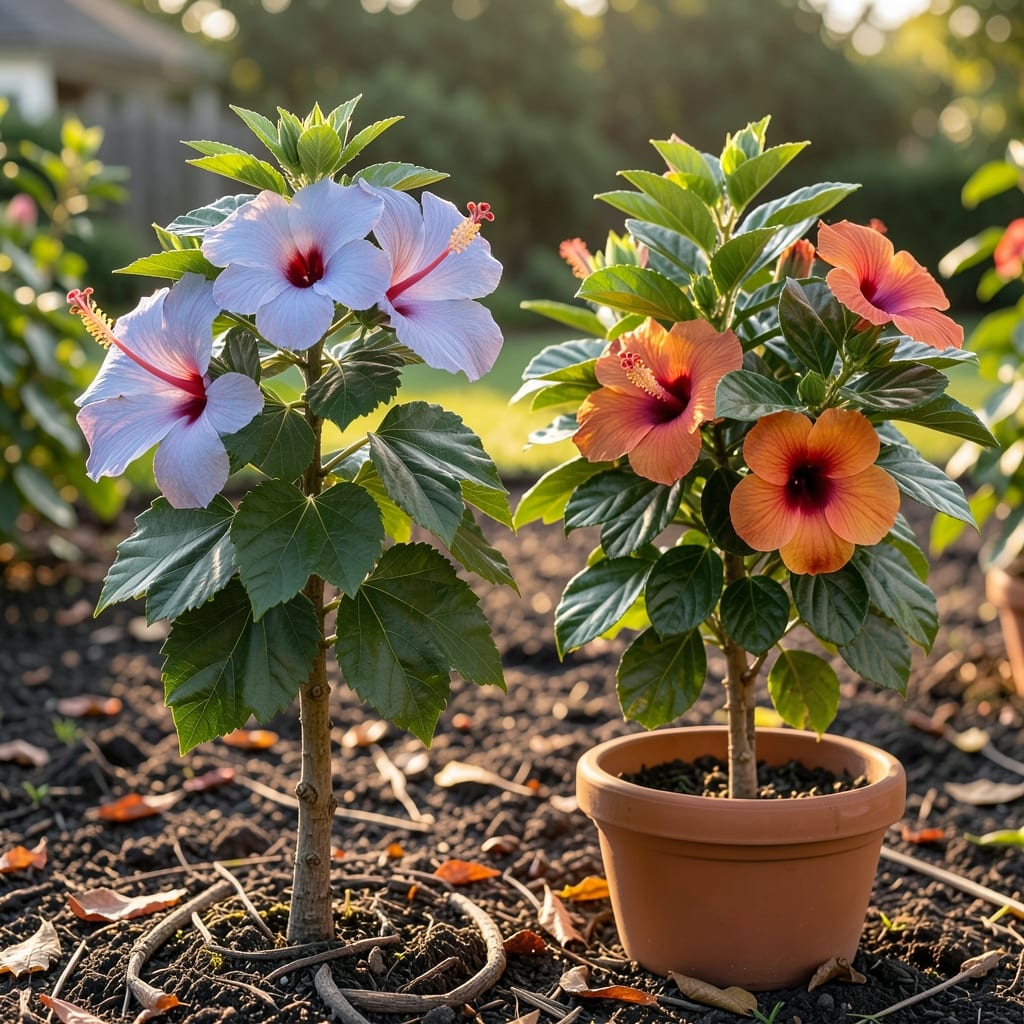
If you're wondering "how tall can hibiscus grow", the answer might surprise you—some varieties stay as short as 3 feet, while others tower over 15 feet like tropical giants. The difference often comes down to whether you're growing a dwarf hibiscus 🌸 or a full-sized shrub.
Picture this: a compact hibiscus thriving in a small garden bed, its vibrant blooms just at eye level, while a standard variety stretches toward your porch roof. The key to managing their height lies in understanding their natural growth patterns and how your climate plays a role.
In USDA Zone 6a, where many gardeners grow hibiscus, you'll find tropical varieties reaching their full potential with proper care, while hardy types stay more manageable. Whether you're working with dwarf varieties or letting nature take its course, knowing these differences helps you plan your garden layout perfectly.
Ready to discover which hibiscus types fit your space? I'll break down the height ranges, share pruning secrets, and help you choose between petite bloomers and bold statement plants that'll make your garden the talk of the neighborhood.


Hibiscus height ranges: from dwarf varieties to towering giants
Hibiscus plants come in a stunning range of heights, from dwarf varieties that stay under 3 feet to tropical giants that can reach 15 feet or more. The variety you choose will determine whether your hibiscus becomes a compact garden accent or a dramatic focal point in your landscape.
Understanding these height differences helps you plan your garden layout. For example, a 3-foot hibiscus fits perfectly in a container garden or small bed, while a 10-foot variety might need its own dedicated space near a fence or trellis. Let’s explore the key categories so you can pick the perfect fit for your space.
🌸
| Variety Type | Mature Height | Growth Habit | Best For |
|---|---|---|---|
| Dwarf Hibiscus | 2–4 feet | Compact, bushy | Containers, small gardens, borders |
| Semi-Dwarf Hibiscus | 4–6 feet | Upright, moderate spread | Foundation plantings, mixed borders |
| Standard Hibiscus | 6–10 feet | Tall, multi-stemmed | Privacy screens, focal points, large gardens |
| Giant/Tropical Hibiscus | 10–15+ feet | Fast-growing, woody stems | Tropical landscapes, large patios, poolside plantings |
Dwarf hibiscus varieties, like ‘Lil’ Kim’ or ‘Punchy Pink’, are perfect for gardeners with limited space. These 2–4 foot plants thrive in containers or as border accents, delivering bold blooms without overwhelming your layout. Their compact growth habit makes them ideal for urban gardens or balconies.
On the other end of the spectrum, tropical hibiscus varieties like ‘Giant White’ or ‘Tropical Sunset’ can grow 10–15 feet tall in optimal conditions. These are the statement plants that turn heads in large landscapes, often requiring regular pruning to manage their size and shape.
Hardy hibiscus, such as Hibiscus moscheutos (also called swamp hibiscus), typically reach 6–10 feet and are well-suited for USDA Zone 6a gardens. They offer a balance between manageable height and dramatic blooms, making them a favorite for foundation plantings or backyard privacy screens.
Hybrid varieties often bridge the gap between dwarf and giant types. For example, ‘Lady Baltimore’ grows 6–8 feet tall and produces large, showy flowers in shades of pink, red, and white. These hybrids are versatile enough for medium-sized gardens while still making a visual impact.
If you’re unsure which height range suits your garden, consider the mature size of the hibiscus and how it will interact with your existing plants. A 10-foot hibiscus near a 3-foot rose bush might create an unbalanced look, while pairing a 4-foot dwarf hibiscus with petunias or salvias creates a harmonious garden bed.
🌿
Factors that determine hibiscus growth height (and how to control it)
Your hibiscus’s final height isn’t just about the variety—it’s also shaped by sunlight exposure, soil quality, and even your pruning habits. For example, a ‘Tropical Sunset’ hibiscus might reach 12 feet in full sun but stay under 8 feet with limited light. Understanding these factors helps you manage growth and keep your plants at your desired height.
Let’s start with the most critical factor: sunlight. Hibiscus plants thrive with 6+ hours of direct sun daily, but too much intense sunlight can stress them, especially in USDA Zone 6a where summers can be harsh. If your garden gets partial shade, expect your hibiscus to grow 20–30% shorter than its full-sun potential.
🌞
- 🌞 Sunlight: Full sun = taller growth (up to 15 feet); partial shade = 20–30% shorter
- 🌱 Soil: Rich, well-draining soil = faster growth; poor soil = stunted growth (3–5 feet)
- ✂️ Pruning: Regular pruning keeps height manageable; neglect = wild, unchecked growth
- 💧 Water: Consistent moisture = steady growth; drought stress = slower growth (1–2 feet shorter)
- 🌡️ Climate: Warm climates = faster growth; cooler zones = slower growth (USDA Zone 6a hibiscus may stay 4–6 feet)
One of the easiest ways to control hibiscus height is through pruning. If you’re growing a ‘Giant White’ but want it to stay under 8 feet, prune the top 1–2 feet of new growth in early spring. This encourages bushier growth and prevents it from becoming a 12-foot tower. For dwarf varieties, minimal pruning is needed—just remove dead flowers to encourage more blooms.
Soil quality plays a surprising role too. Hibiscus plants in nutrient-poor soil may grow 30% slower and stay shorter than their potential. Amend your soil with compost or organic matter to give your hibiscus the nutrients it needs to reach its full height. In containers, use a well-draining potting mix to avoid root-bound stress, which can stunt growth.
Watering habits also impact height. Hibiscus plants need deep, consistent watering—especially in USDA Zone 6a—to grow tall and strong. If you’re dealing with drought conditions, your hibiscus might grow 1–2 feet shorter than expected. Mulching around the base helps retain moisture and encourages steady growth.
Finally, don’t overlook the role of fertilizer. A balanced 10-10-10 NPK fertilizer applied every 4–6 weeks during the growing season promotes healthy growth. Too much fertilizer can lead to leafy growth at the expense of flowers, while too little can result in stunted plants. For container-grown hibiscus, use half the recommended dose to avoid overfeeding.
🪴