
How To
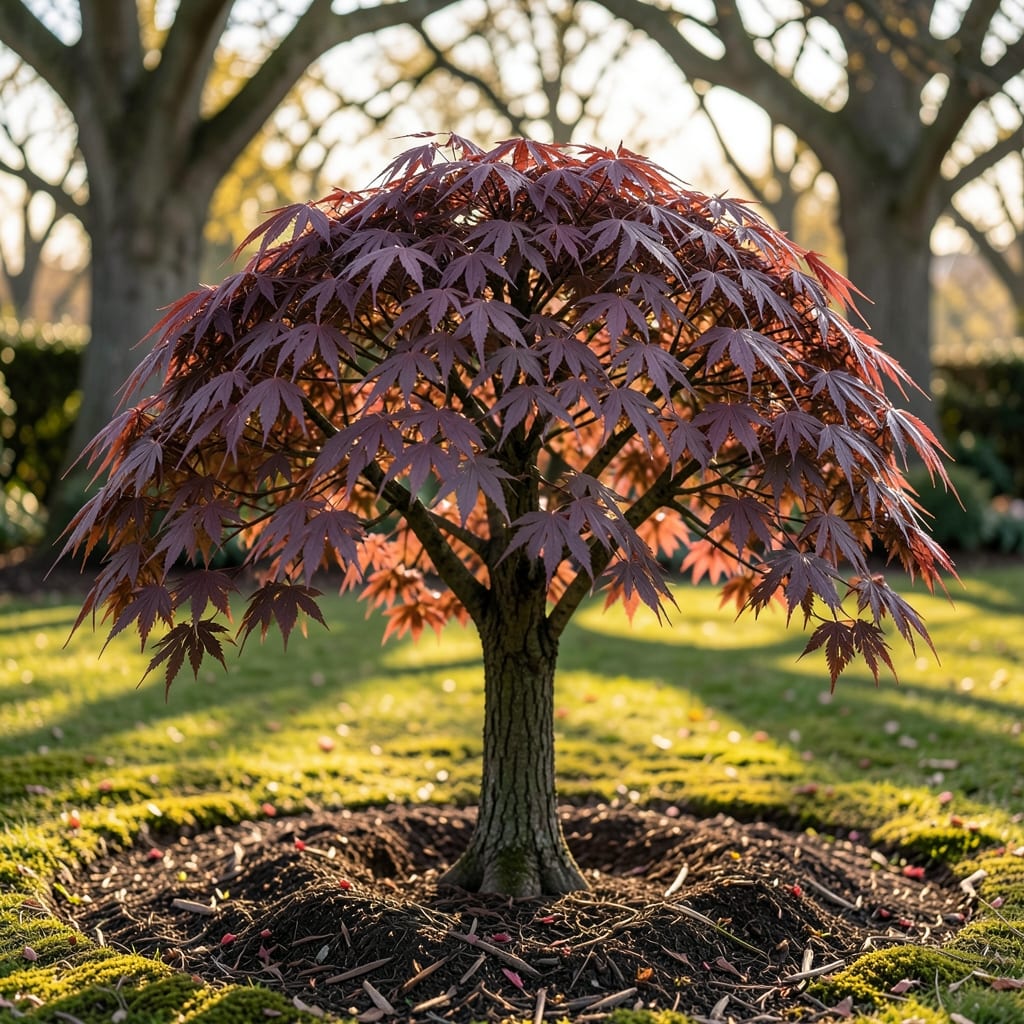
If you’re dreaming of a stunning Japanese Maple 🌿 but wondering just how tall it can grow, the answer might surprise you. These trees can range from petite, patio-friendly varieties to towering giants that dominate your landscape—some reaching heights of 30 feet or more!
But here’s the thing: not all Japanese maples follow the same growth path. Whether you’re working with a dwarf cultivar that stays under 6 feet or a bold, standard variety that stretches toward the sky, understanding these height differences is the key to choosing the perfect tree for your space. Let’s break down the varieties and what influences their growth so you can pick with confidence.
From delicate dwarf varieties**> perfect for small gardens to majestic specimens that make a statement in large landscapes, each type has its own mature height range. I’ll walk you through the most popular cultivars, how their size develops over time, and the factors—like sunlight, soil, and pruning—that can shape their final stature. Ready to find your ideal match?
Whether you’re planning a cozy backyard retreat or a grand outdoor focal point, knowing these details will help you create the perfect setting for your Japanese Maple. Let’s dive into the specifics so you can make an informed choice that fits your vision—and your space!


Japanese Maple height ranges by variety: dwarf to giant trees explained
Japanese maples are famous for their stunning foliage, but their mature height can vary dramatically depending on the cultivar. Some varieties stay compact enough for patio containers, while others grow into towering giants that dominate landscapes. Understanding these height ranges helps you choose the perfect tree for your garden space.
The key to selecting the right Japanese Maple lies in recognizing three main height categories: dwarf varieties (under 6 feet), intermediate types (6-15 feet), and standard giants (15+ feet). Each category offers unique benefits, from easy container gardening to bold landscape statements.
Let’s explore the most popular varieties and their mature height ranges so you can visualize how they’ll fit into your outdoor space. Whether you’re working with a small urban garden or a spacious backyard, there’s a Japanese Maple cultivar that’s just right for you.
🌿
| Variety | Mature Height (ft) | Spread (ft) | Best For |
|---|---|---|---|
| 'Crimson Queen' | 6-8 | 5-6 | Containers, small gardens |
| 'Bloodgood' | 15-25 | 12-15 | Landscape focal points |
| 'Shishigashira' | 8-12 | 6-8 | Medium gardens, bonsai |
| 'Emperor I' | 25-30 | 15-20 | Large estates, park settings |
| 'Dwarf Upright' | 4-6 | 3-4 | Patios, balconies |
| 'Green Cascade' | 6-10 | 8-10 | Hanging baskets, vertical gardens |
The 'Crimson Queen' is a favorite for small gardens, typically reaching just 6-8 feet tall with a spread of 5-6 feet. Its vibrant red foliage makes it perfect for container gardening or as a striking centerpiece in a patio setting.
On the other end of the spectrum, the 'Emperor I' variety can grow to 25-30 feet tall, making it ideal for large landscapes or park-like settings. This cultivar requires ample space but offers breathtaking autumn color displays that turn heads.
For those who love the weeping forms of Japanese maples, the 'Green Cascade' is a standout. It reaches 6-10 feet tall but spreads out dramatically (8-10 feet), making it perfect for hanging baskets or as a stunning vertical accent in your garden.
If you’re working with limited space but still want the beauty of a Japanese Maple, consider the 'Dwarf Upright' variety. It stays under 6 feet tall and is perfect for balconies or small urban gardens where space is at a premium.
Understanding these height ranges helps you visualize how each variety will fit into your garden. Whether you’re aiming for a compact accent plant or a bold landscape statement, there’s a Japanese Maple cultivar that’s perfect for your needs.
🌳
Japanese Maple height ranges by variety: dwarf to giant trees explained
Japanese maples offer an incredible range of sizes, from delicate dwarf varieties that fit snugly in containers to giant cultivars that command attention in sprawling gardens. The key to choosing the right one lies in understanding these height ranges—some stay under 6 feet while others soar past 30 feet. Let’s explore the spectrum so you can pick the perfect fit for your space.
For those with limited space, dwarf varieties like 'Little Princess' or 'Shishigashira' typically reach just 4-6 feet at maturity, making them ideal for patios or small yards. On the other end, standard varieties such as 'Bloodgood' or 'Emperor I' can grow 20-30 feet tall, perfect for creating dramatic focal points in large landscapes.
Here’s a quick snapshot of how popular varieties compare in terms of mature height:
| Variety | Mature Height | Best For |
|---|---|---|
| 'Little Princess' | 4-6 ft | Containers, small patios |
| 'Shishigashira' | 5-7 ft | Bonsai-style gardens |
| 'Crimson Queen' | 10-15 ft | Medium gardens, focal points |
| 'Bloodgood' | 20-25 ft | Large landscapes, shade trees |
| 'Emperor I' | 25-30 ft | Park-like settings, statement trees |
If you’re torn between varieties, consider the growth rate too. Dwarf types like 'Little Princess' grow slowly, adding just 1-2 feet per year, while standard varieties can shoot up 12-18 inches annually under ideal conditions. This means your 6-foot dwarf might take a decade to reach maturity, while a 25-foot giant could hit its peak in just 15 years.
For urban gardeners or those with tight spaces, semi-dwarf varieties like 'Autumn Moon' (12-15 ft) strike a balance—offering height without overwhelming your yard. These mid-sized trees work beautifully in backyard corners or as privacy screens while still delivering the stunning foliage Japanese maples are famous for.
Remember, these height ranges are general guidelines. Factors like pruning, soil quality, and sunlight exposure can tweak a tree’s final stature. For example, a 'Bloodgood' in full sun might grow taller than one planted in partial shade. We’ll dive deeper into those factors in the next section so you can fine-tune your tree’s growth!