
Vegetables
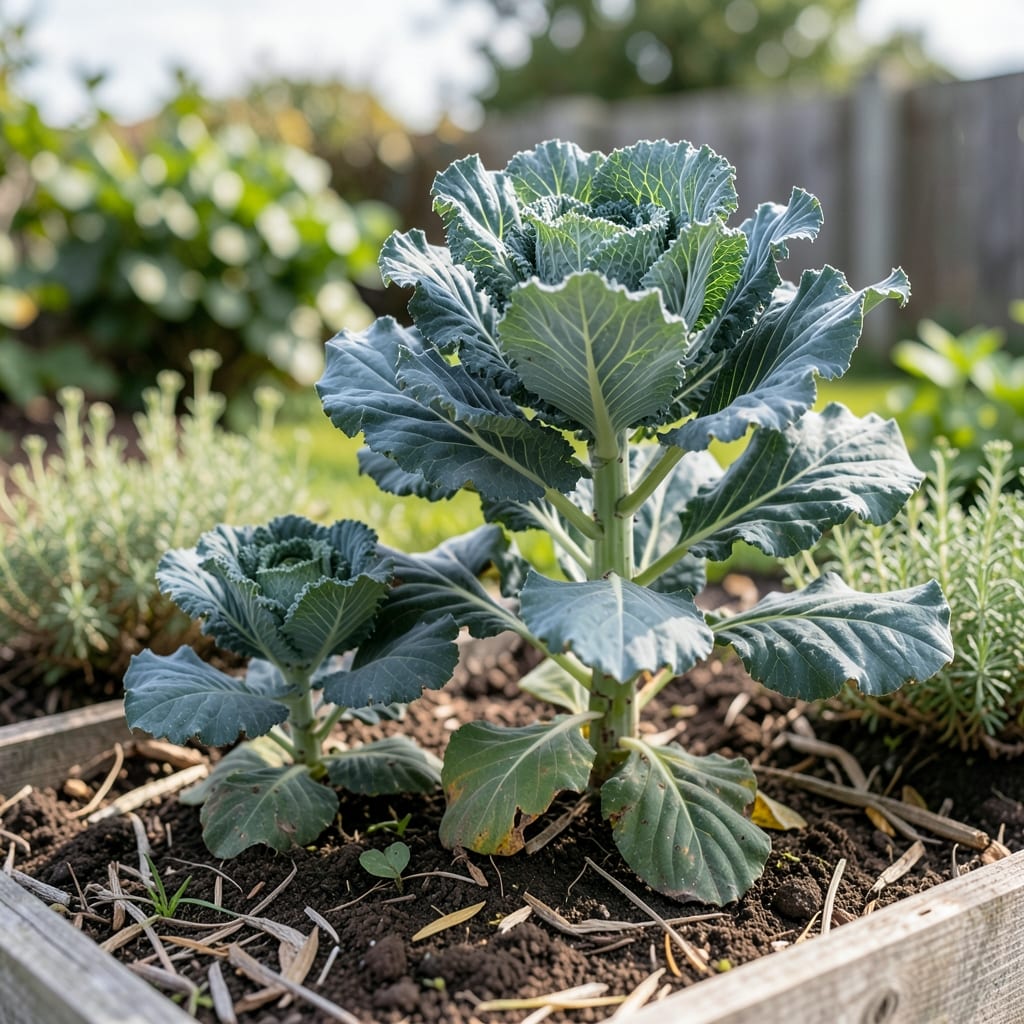
If you’ve ever glanced at your 🥬 kale plants and wondered how tall kale can grow, you’re not alone. The truth is, kale’s height can vary wildly—from tiny 12-inch dwarf varieties to towering 72-inch giants when left unpruned. That’s a difference of 6 feet, and it all depends on the type you’re growing.
For gardeners in USDA Zone 6a, where spring planting kicks off in March-April, choosing the right variety is key. Dwarf kale stays manageable, perfect for small gardens or containers, while taller types need space to thrive. But here’s the catch: unchecked growth can lead to floppy plants or even pest problems, so knowing how to manage height matters just as much as picking the right seeds.
In this guide, I’ll break down the height ranges of popular kale varieties—from the easiest-to-harvest dwarfs to the dramatic ornamental giants that make your garden the talk of the neighborhood. You’ll also learn how to control height naturally, whether you’re aiming for a neat row or a lush, leafy backdrop. Let’s get growing!
Ready to transform your garden with kale that fits your space and your style? The right height isn’t just about aesthetics—it’s about harvesting success, too. Let’s dive into the varieties that will work best for you.

Kale variety heights: from dwarf to towering giants (unpruned growth charts)
Kale’s height can vary dramatically depending on the variety you choose, with some staying as short as 12 inches while others tower to 72 inches when left unpruned. This range means your garden layout—and even your harvest strategy—will depend entirely on which type you grow. For example, dwarf varieties like ‘Dwarf Blue Curled’ are perfect for containers or small spaces, while tall varieties like ‘Red Russian’ can become architectural centerpieces in your garden.
Understanding these height differences isn’t just about aesthetics—it directly impacts how you space your plants, how often you’ll need to harvest, and even how you protect them from pests. A 72-inch kale plant, for instance, won’t just take up more space; it’ll also require sturdier supports to prevent flopping, especially in windy conditions or after heavy rains. Meanwhile, shorter varieties might bolt faster in hot weather, so timing your harvest becomes critical.
Let’s break down the three main height categories of kale: dwarf (12–18 inches), mid-size (24–36 inches), and towering (48–72 inches). Each category has its own ideal growing conditions, harvesting tips, and spacing requirements, so you can pick the perfect fit for your garden’s layout and your culinary needs.
🌱
| Variety | Height (Unpruned) | Best For | Spacing | Harvest Notes |
|---|---|---|---|---|
| Dwarf Blue Curled | 12–18 inches | Containers, small gardens | 12 inches apart | Harvest leaves as needed; regrows well |
| Winterbor | 18–24 inches | Cold climates, salads | 18 inches apart | Cold-hardy; harvest outer leaves |
| Lacinato (Dinosaur Kale) | 24–36 inches | Stir-fries, sautéing | 24 inches apart | Tender leaves; harvest young for best texture |
| Red Russian | 48–72 inches | Ornamental, cold-hardy | 36 inches apart | Use supports; harvest lower leaves first |
| Vates | 36–48 inches | Long harvest windows | 24 inches apart | Heat-tolerant; harvest continuously |
One of the most surprising aspects of kale’s height is how genetics play a role. For instance, Red Russian kale can reach 72 inches because it’s bred to produce long, sturdy stems that support large, frilly leaves. These varieties often have a longer harvest window because their leaves mature at different rates, giving you a steady supply. In contrast, dwarf varieties like ‘Dwarf Blue Curled’ are bred to stay compact, making them ideal for container gardening or urban spaces where room is limited.
If you’re growing kale in containers, stick to dwarf or semi-dwarf varieties to avoid overcrowding. A 12-inch-tall plant in a 12-inch pot will thrive, while a 48-inch variety in the same pot would struggle and produce smaller leaves. For in-ground planting, spacing is everything: give tall varieties like ‘Red Russian’ at least 3 feet of space to prevent competition for nutrients and reduce the risk of disease.
Another factor to consider is how height affects pest and disease vulnerability. Tall kale varieties, with their broad leaves and dense foliage, can attract cabbage worms or aphids more easily. To mitigate this, I recommend regularly inspecting the undersides of leaves and using row covers if pests are a recurring issue in your area. For shorter varieties, pests are less of a concern, but you’ll still need to monitor for slugs or leaf miners, which can target even the smallest plants.
🌿
For those growing kale in cooler climates, taller varieties like ‘Red Russian’ or ‘Vates’ are excellent choices because they withstand frost better than their shorter counterparts. These varieties can often be left in the ground through winter, providing a year-round harvest if protected with mulch or row covers. In warmer regions, however, even tall kale may bolt faster, so choosing heat-tolerant varieties like ‘Lacinato’ or ‘Vates’ can extend your growing season.
Finally, don’t forget that pruning habits can dramatically alter a kale plant’s height and shape. If you’re growing a tall variety but want to keep it manageable, prune the top leaves regularly to encourage bushier growth. This technique is especially useful for container-grown kale, where height can become a constraint. Conversely, if you
Why some kale varieties grow tall—and how to manage them
Kale’s height variations aren’t random—they’re shaped by genetics, growing conditions, and your pruning habits. Tall varieties like ‘Red Russian’ or ‘Vates’ can reach 48–72 inches because they’re bred for longer stem development and larger leaf production. These towering plants thrive in cool climates with consistent moisture, which encourages vertical growth.
On the flip side, dwarf varieties like ‘Dwarf Blue Curled’ stay under 18 inches due to their compact growth habit. These are often bushier and better suited for container gardening or small-space plots. The key difference? Genetic dwarfing genes limit their height while maximizing leaf density.
🌱 Did You Know? Kale’s height is also influenced by daylight exposure. Longer daylight hours in summer can trigger bolting (premature flowering), causing even standard varieties to grow taller and leggier as they rush to reproduce. This is why fall-planted kale often grows more compact and flavorful.
⚠️ Warning: Unchecked Tall Kale Can Be a Problem
Flopping stems and pest attraction are common issues with unmanaged tall kale. Without support, heavy leaves can cause plants to lean or break, while aphids and cabbage worms love the shelter of dense foliage. Solution: Use cage supports or stake individual stems to keep plants upright and prune regularly to improve airflow.
If you’re growing tall kale varieties, pruning is your best friend. By harvesting outer leaves every 2–3 weeks, you encourage bushier growth and prevent the plant from becoming top-heavy. For ornamental kale, like ‘Russian Red’, you might skip heavy pruning to preserve its decorative ruffles.
Another factor? Soil fertility. Kale grown in nitrogen-rich soil tends to produce more leafy biomass, which can increase height if not managed. Balanced fertilization (like 5-10-10 NPK) supports leaf development without overstimulating stem elongation. Always side-dress with compost instead of heavy nitrogen feeds to maintain compact, productive plants.
For container growers, dwarf or semi-dwarf varieties are your best bet. Even ‘Lacinato’ (Dinosaur Kale), which can reach 36–54 inches in the ground, stays manageable in large pots (12–18 inches tall) with regular pruning. Pro tip: Use self-watering containers to prevent height stunting from underwatering stress.
Remember, height isn’t everything. Some of the most flavorful kale—like ‘Winterbor’—stays moderate in height (24–36 inches) but delivers sweet, tender leaves even in freezing temps. The right variety for your climate and goals matters more than chasing skyscraper kale.