
Size
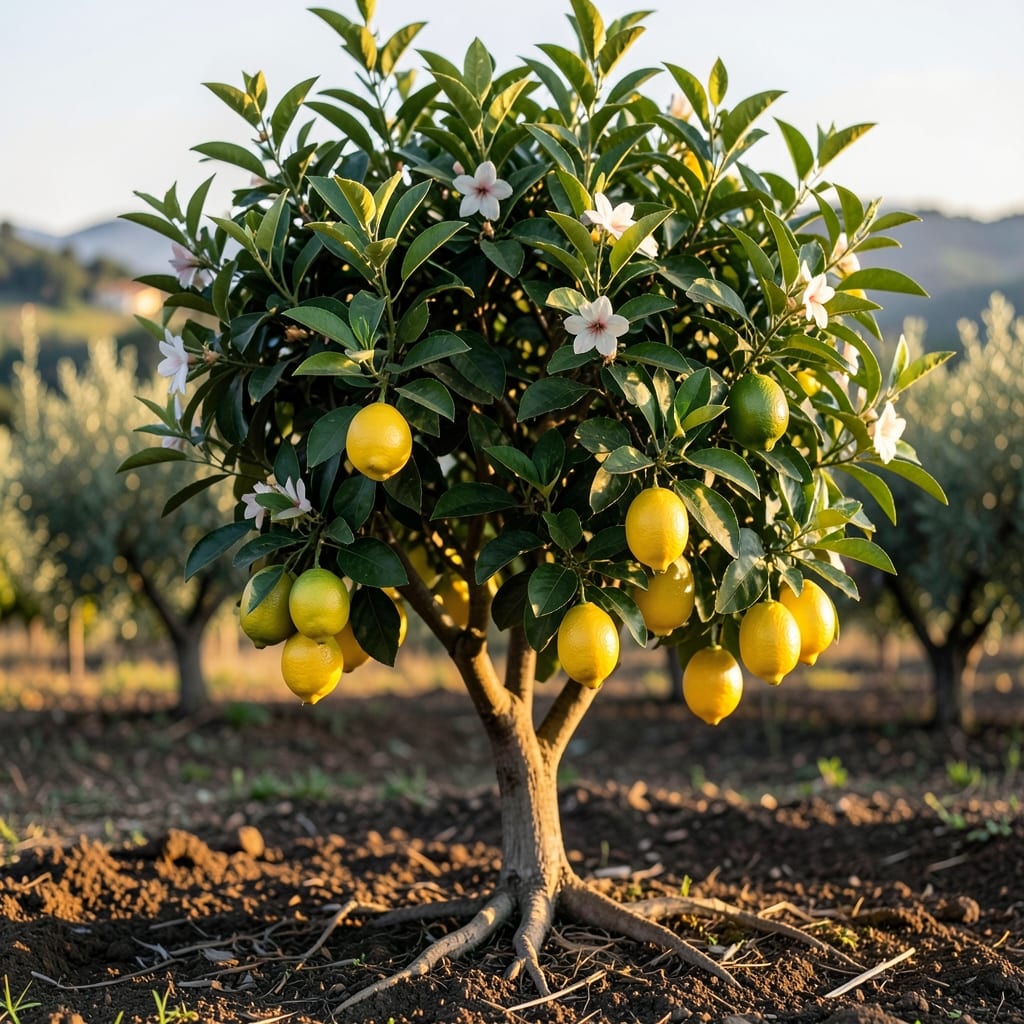
Lemon tree height variations: dwarf to giant sizes explained
Lemon trees (Citrus × limon) are stunning additions to any garden, but their mature height can vary dramatically—from compact 6-foot dwarf varieties to towering 30-foot giants. The size you choose depends on your space, climate, and whether you prioritize shade, fruit production, or aesthetic appeal. Understanding these variations helps you plan your garden layout and avoid overcrowding or underutilized space.
Most lemon trees fall into three height categories: dwarf (6-10 ft), semi-dwarf (10-15 ft), and standard (15-25 ft). Dwarf varieties are perfect for patios or containers, while standard trees thrive in large yards or orchards. Even within these categories, growth rates differ based on rootstock, pruning, and environmental conditions. For example, a Meyer lemon grafted onto dwarfing rootstock may stay under 8 feet, while a Eureka lemon on its own roots can easily reach 20 feet.
Climate plays a huge role in height. In USDA Zones 9-11, lemon trees grow faster and taller due to year-round warmth. In cooler zones (like Zone 8), they may stay smaller unless protected from frost. Even in ideal climates, pruning and container gardening can stunt growth significantly. For instance, a standard lemon tree in a 15-gallon pot might only reach 10 feet tall, while the same tree in the ground could double in height.
Here’s a quick comparison of what to expect from each size category, including space needs and care considerations:
| Variety | Mature Height | Space Needs | Ideal Climate | Growth Rate |
|---|---|---|---|---|
| Dwarf (e.g., 'Meyer Lemon') | 6–10 ft | Patio, balcony, or 5-ft container | Zones 9–11 (or indoors) | Slow to moderate |
| Semi-Dwarf (e.g., 'Lisbon Lemon') | 10–15 ft | Small yard or large container (20+ gallons) | Zones 8–11 | Moderate |
| Standard (e.g., 'Eureka Lemon') | 15–25 ft | Large yard or orchard (20+ ft clearance) | Zones 9–11 | Fast (without pruning) |
If you’re growing lemons in containers, height is easier to control. A 5-gallon pot limits growth to 4–6 feet, while a 15-gallon pot allows 8–10 feet. However, container-grown trees need regular pruning and root pruning to prevent root-bound stress. Without these steps, even dwarf varieties can outgrow their pots in 2–3 years, leading to stunted fruit production.
Soil quality also affects height. Lemon trees thrive in well-draining, slightly acidic soil (pH 6.0–7.0). Poor soil can stunt growth or cause disease, making trees stay smaller than expected. Amend your soil with compost and sand to improve drainage, especially in heavy clay or sandy soils. In my own garden, I’ve seen Meyer lemons on amended soil reach 8 feet in 3 years, while those in unamended soil barely topped 5 feet.
Pruning is another game-changer. Structural pruning in early spring encourages a bushier, more compact shape, while topping (cutting the main stem) can reduce height by up to 30%. For example, if you prune a 12-foot semi-dwarf by 2 feet annually, it may never exceed 8 feet. Just avoid heavy pruning in late summer or fall, as this can stress the tree and reduce next year’s fruit set.
Climate isn’t just about warmth—wind exposure and humidity also influence height. Lemon trees in coastal areas with high humidity may grow taller due to lush foliage, while those in arid climates stay more compact. In my Zone 9b garden, a standard Eureka lemon grows 3 feet taller than the same variety in a Zone 10a neighbor’s yard with more shade and higher humidity.
For urban gardeners, vertical space is key. If you’re short on ground space, consider espalier training, which flattens the tree against a fence or wall, keeping it under 6 feet while maximizing fruit yield. I’ve trained a Meyer lemon along a trellis, and it now produces just as many lemons as a freestanding 8-foot tree—without taking up extra space.
Remember, even dwarf varieties can exceed expectations if given ideal conditions. Always check the rootstock (the underground part of the tree) when buying, as this determines up to 50% of the tree’s final height. For instance, Swingle citrumelo rootstock keeps trees dwarf, while rough lemon rootstock allows for semi-dwarf sizes.
How to control lemon tree height: pruning, grafting, and container tips
Managing your lemon tree’s height isn’t just about aesthetics—it’s about maximizing fruit production, ease of care, and even your garden’s layout. With the right techniques, you can keep a standard lemon tree at a manageable 8-10 feet or turn a dwarf variety into a bushy, productive patio plant. The key lies in understanding when and how to prune, choosing the right rootstock, and leveraging container gardening for compact growth.
Pruning is your most powerful tool for controlling height. Structural pruning in late winter or early spring removes upward-growing branches, redirecting energy to lateral growth. For dwarf varieties, you’ll want to prune more aggressively to maintain their compact shape, while standard trees benefit from lighter pruning to encourage vertical growth. Always use sterilized pruners to prevent disease spread.
🌱 Step-by-Step Guide to Pruning Lemon Trees
- Step 1: Prune in late winter (before buds swell) to shape the tree and remove dead/diseased branches.
- Step 2: Cut back 1/3 of new growth in early summer to encourage bushier growth and more fruit production.
- Step 3: Remove suckers (shoots at base) and water sprouts (vertical shoots) regularly to maintain shape.
- Step 4: Thin out overcrowded branches to improve airflow and sunlight penetration.
- Step 5: Avoid pruning in fall—it stimulates new growth that won’t harden off before winter.
Grafting is another game-changer for controlling height. By grafting a desirable lemon variety onto a dwarfing rootstock like Swingle citrumelo or Cleopatra mandarin, you can keep the tree at 6-8 feet tall while maintaining fruit quality. This method is commonly used by nurseries to produce patio-friendly lemon trees. If you’re DIY-inclined, grafting in late winter or early spring yields the best results.
Container gardening is ideal for small spaces or renters who want to grow lemons without committing to a permanent planting. Choose a large pot (at least 18-24 inches wide) with drainage holes to prevent root bound conditions. Dwarf varieties like Meyer lemon thrive in containers, reaching 6-10 feet tall with proper care. Move the pot to a sunny spot in summer and bring it indoors near a south-facing window in winter to protect it from frost.
Don’t underestimate the power of regular harvesting to control height. Removing lemons as they ripen reduces the tree’s energy demands, encouraging more compact growth. Pair this with balanced fertilization (using a 6-6-6 NPK ratio in spring and summer) to promote healthy, controlled growth rather than rapid vertical expansion. Over-fertilizing can lead to excessive leafy growth at the expense of fruit production.
For indoor lemon trees, combine pruning with strategic lighting. Place your tree under a grow light for 12-14 hours daily to supplement natural light, especially in winter. This helps maintain a compact shape while keeping the tree productive. Rotate the pot weekly so all sides receive even light, preventing lopsided growth that can make the tree top-heavy and prone to falling.