
How To
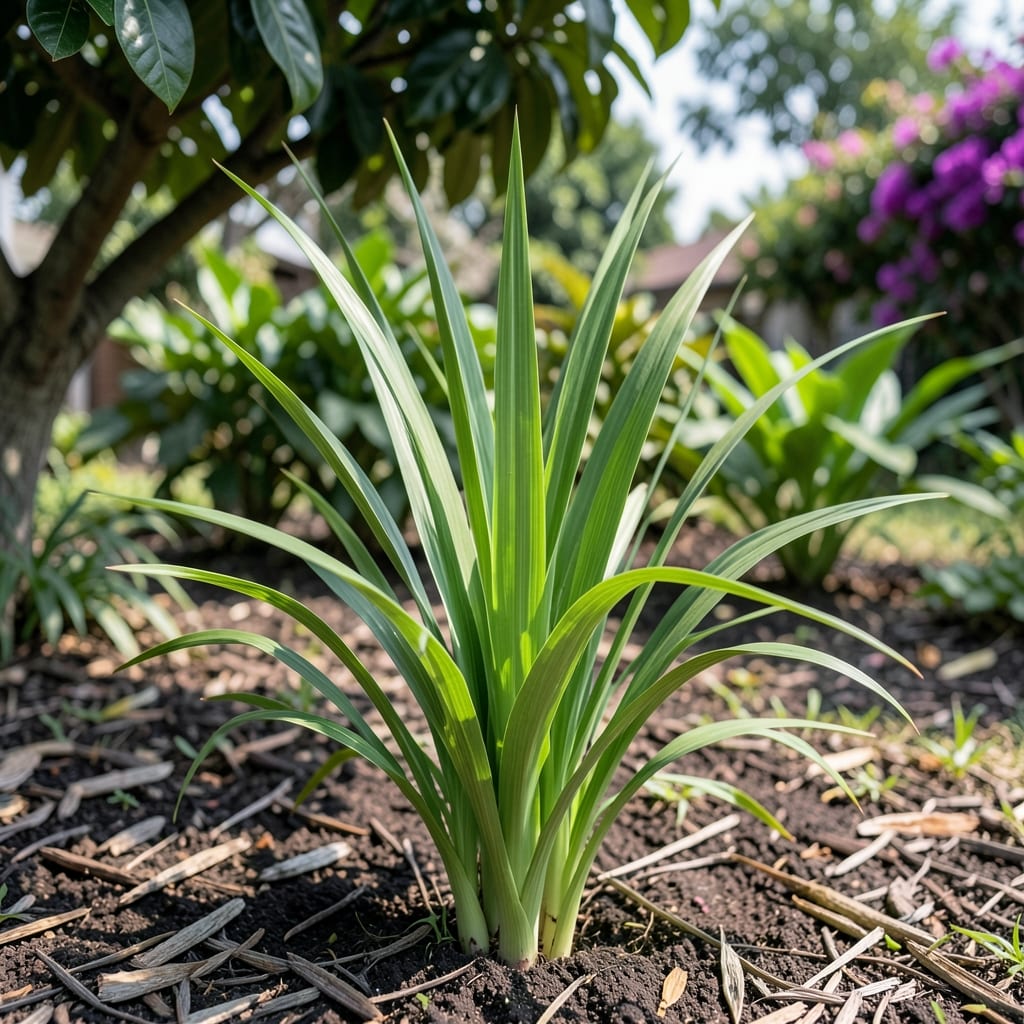
If you've ever wondered how tall can lemongrass grow in your garden, the answer might surprise you—this zesty, aromatic 🌿 lemongrass can reach heights of 4 to 6 feet under ideal conditions, making it a striking addition to any sunny patch of your yard.
But here's the thing: its growth isn't just about space. Whether you're in USDA Zone 6a or a warmer climate, factors like sunlight, soil quality, and even when you plant it can dramatically affect how tall your lemongrass becomes. With the right care, you can coax it to reach its full potential—or gently manage its height if space is limited.
Let's break down what influences its growth, from the spring planting window to the 60–90 days it takes to mature. You'll also discover how simple adjustments—like proper spacing or strategic pruning—can keep your lemongrass thriving without taking over your garden.
Ready to grow lemongrass that's both productive and well-behaved? I'll walk you through everything you need to know to get the perfect height for your space—no guesswork required.

Lemongrass height guide: how tall it grows in different climates
Lemongrass (Cymbopogon citratus) is a fast-growing, clumping grass that can reach 3 to 6 feet tall under ideal conditions. In my USDA Zone 6a garden, I’ve seen it hit 5 feet by late summer with consistent care, while tropical climates often push it closer to 6 feet or more. The key? Sunlight, soil quality, and seasonal timing all play critical roles in determining its height.
For example, lemongrass planted in spring (April–May), after the last frost, typically grows 3–4 feet in its first year. By year two, with proper fertilization and watering, it can shoot up to 5–6 feet, especially in warmer regions. In cooler climates like mine, growth slows slightly in fall, but it still maintains a 4–5 foot stature if protected from early frosts.
Here’s the catch: lemongrass thrives in full sun (6+ hours daily), but if you’re in a shadier spot, expect stunted growth—often 3 feet or less. I once tried growing it under partial shade in a north-facing container, and it barely reached 2 feet by harvest time. Soil drainage also matters—waterlogged roots can stunt growth, while well-draining, slightly acidic soil (pH 5.5–6.5) encourages taller, healthier stalks.
Let’s talk numbers: In tropical climates (Zones 9–11), lemongrass can grow 6–7 feet tall with minimal care, while in temperate zones (6–8), it maxes out around 5 feet. Even in containers, with proper spacing, it can hit 4 feet if given enough nutrients. The difference? Heat and humidity accelerate growth, while cooler temps slow it down.
Now, you might be wondering: Can I control its height? Absolutely! Pruning regularly—especially in late summer—can keep it more compact while boosting bushier growth. I’ll share my pruning secrets later, but for now, focus on these height-influencing factors:
| Factor | Impact on Height | Ideal Conditions |
|---|---|---|
| Climate Zone | Tropical: 6–7 ft | Temperate: 4–5 ft | Zones 9–11: Full sun; Zones 6–8: Sheltered spot |
| Sunlight | Full sun: 5–6 ft | Partial shade: 2–3 ft | 6+ hours direct sunlight daily |
| Soil | Well-draining: 5–6 ft | Waterlogged: 3 ft or less | pH 5.5–6.5, sandy-loam |
| Watering | Consistent moisture: 5–6 ft | Overwatered: Stunted | 1–2 cups every 3–5 days |
| Fertilizer | Balanced NPK: +1 ft growth | 10-10-10, every 4–6 weeks |
If you’re growing lemongrass in containers, height can be slightly limited due to root restriction, but with deep pots (12+ inches), it can still reach 4 feet. I’ve grown it in 5-gallon buckets with great success—just ensure the container has drainage holes to prevent root rot. In-ground planting, on the other hand, gives it more room to stretch, especially if you’re in a warm, humid climate.
Pro tip: Harvesting frequency also affects height. If you’re cutting stalks 12–18 inches tall for cooking, the plant will focus on regrowing leaves rather than height. I harvest mine every 2–3 months, and it stays around 4 feet tall while producing year-round in warmer zones. In cooler areas, growth slows in winter, but with a greenhouse or cold frame, you can extend the season and maintain height.
Ready to maximize your lemongrass’s height? Start by ensuring it gets full sun, well-draining soil, and regular feeding. Next, we’ll dive into planting spacing to keep your garden neat while giving those stalks room to grow—without crowding out other plants.
🌱
Best planting spacing for lemongrass to prevent overcrowding
When planting lemongrass, proper spacing isn't just about aesthetics—it directly impacts how tall and healthy your plants grow. Crowded stalks compete for sunlight and nutrients, stunting their height and inviting disease. For optimal growth, aim for 12–18 inches between plants in in-ground gardens, giving them room to reach their full 4–6 foot potential.
In containers, the rules change slightly. Since lemongrass has a clumping habit, a single stalk can thrive in a 12-inch diameter pot, but multiple stalks need at least 6–8 inches of spacing. Containers also dry out faster, so ensure they have drainage holes to prevent root rot—especially in USDA Zone 6a where winters can be chilly.
Here’s how spacing affects growth: Tighter spacing (under 12 inches) can reduce height by 1–2 feet as plants struggle for resources, while ideal spacing lets them grow tall and bushy. Overcrowding also increases humidity around the base, creating perfect conditions for fungal infections like rust.
| Planting Method | Spacing | Max Height | Best For |
|---|---|---|---|
| In-Ground | 12–18 inches apart | 4–6 feet | Full sun gardens |
| Containers (Single) | 12-inch pot | 3–5 feet | Balconies, patios |
| Containers (Multiple) | 6–8 inches apart | 3–4 feet | Small spaces |
For container gardening, choose pots with good drainage and a lightweight potting mix to avoid root suffocation. If you’re growing lemongrass in USDA Zone 6a, opt for larger containers (15+ inches) to insulate roots during cool nights. In warmer zones, smaller pots work fine as long as they’re watered consistently.
Pro tip: If you’re short on space, consider interplanting lemongrass with shallow-rooted companions like basil or marigolds. These plants won’t compete for depth, allowing lemongrass to focus its energy on reaching those towering heights while still keeping your garden diverse and productive.
Remember, lemongrass thrives on full sun, so avoid planting it near tall shrubs or trees that cast shade. Even a few hours of partial shade can reduce its height by up to 20%, so choose a sunny spot where it can stretch toward the sky—literally! With the right spacing, your lemongrass will reward you with abundant harvests and a fragrant garden corner.