
How To
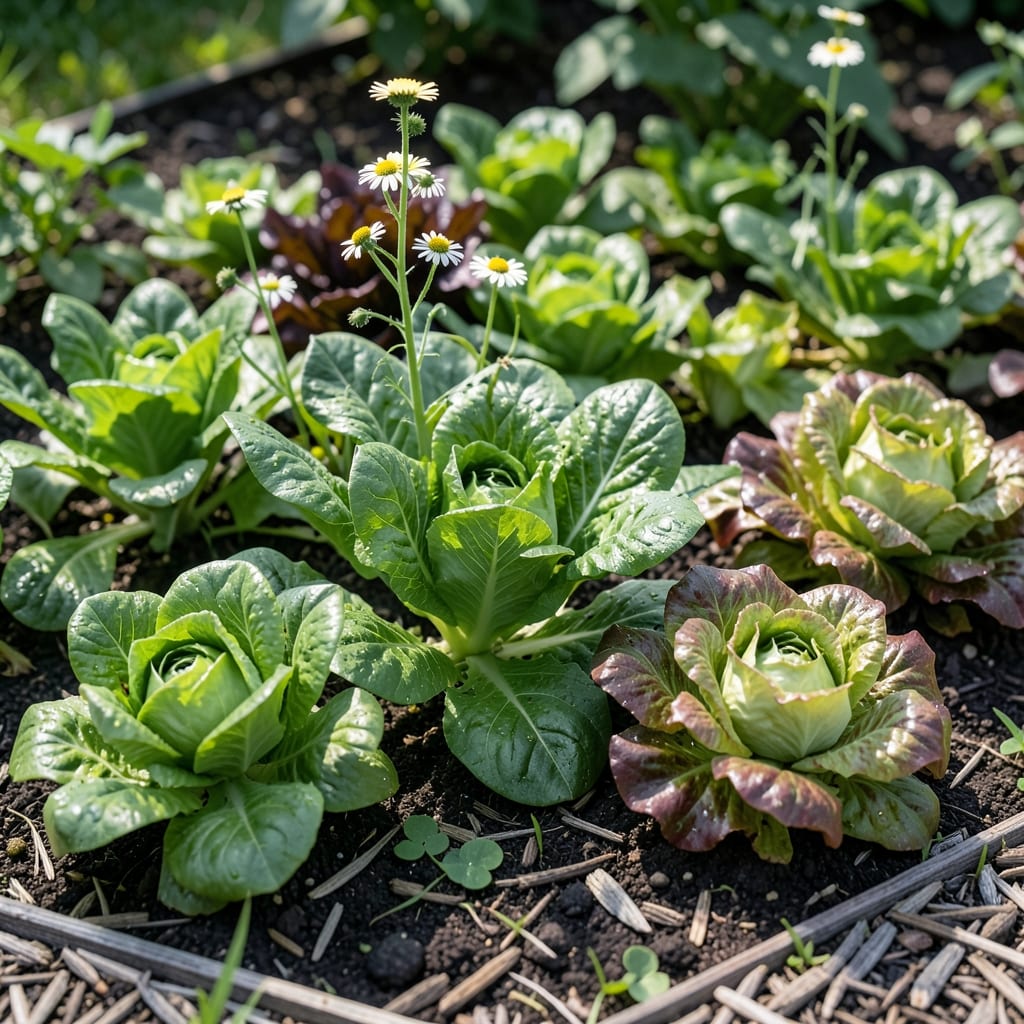
Did you know how tall lettuce can grow is far more impressive than most gardeners realize? The height of lettuce varies dramatically by variety—from compact butterheads to towering romaine—making it one of the most versatile crops for home gardens in USDA Zone 6a.
If you're planning a spring or fall harvest, understanding these differences is key. Whether you're working with leaf lettuce that stays low and bushy or romaine reaching nearly 18 inches, proper spacing and care can make all the difference in your garden's success.
But here's the catch: most gardeners harvest lettuce before it reaches its maximum height. Why? Because waiting too long can turn tender leaves into bitter, woody stalks. I'll show you exactly when to pick for peak flavor and how to encourage healthier growth.
Ready to transform your garden into a leafy green powerhouse? Let's dive into the surprising heights lettuce can achieve—and how to get the most out of every plant.

Lettuce growth heights by variety: from compact to towering
Lettuce isn't just a salad staple—it's a plant with surprising height variations. The tallest lettuce varieties can reach nearly 18 inches, while others stay compact at just 3-4 inches. Understanding these differences helps you plan your garden layout and maximize space, especially in USDA Zone 6a where growing seasons are key.
For example, butterhead lettuce like 'Buttercrunch' stays low and round, rarely exceeding 6 inches in height. Meanwhile, romaine varieties like 'Cos' can shoot up to 16-18 inches, making them perfect for vertical gardens or taller containers. Even leaf lettuce shows diversity—some sprawl wide while others grow upright.
The height of your lettuce depends on its genetic variety, growing conditions, and how you care for it. Some gardeners unknowingly crowd plants, stunting growth, while others let them reach their full potential. Let's explore the height ranges of popular types and what they mean for your harvest.
Notice how romaine lettuce stands out with its height—ideal for gardeners with vertical space or those who want to grow lettuce in containers. Meanwhile, leaf lettuce varieties like Oakleaf stay low, making them perfect for ground covers or interplanting with other crops. The spacing recommendations ensure each plant gets enough room to reach its full potential without competing for nutrients.
If you're growing lettuce in containers, choose taller varieties like romaine for deeper pots (at least 12 inches deep). For window boxes or small spaces, opt for butterhead or leaf lettuce. The key is matching the plant's natural growth habit to your garden setup.
Another factor influencing height is light exposure. Lettuce grown in partial shade (4-6 hours of sun) will stay shorter and more compact, while full sun can encourage taller growth—though it may also speed up bolting (flowering). Balancing light and spacing is crucial for achieving the ideal height for your variety.
Pro tip: If you're growing lettuce for cut-and-come-again harvests, taller varieties like romaine can be thinned early to encourage bushier growth. Simply snip the outer leaves when they reach 3-4 inches, leaving the inner leaves to grow larger. This technique works especially well for loose-leaf varieties.
For gardeners in USDA Zone 6a, timing your planting is just as important as spacing. Sow seeds 4-6 weeks before the last frost (around mid-March) for a spring harvest, or again in late summer for a fall crop. This ensures your lettuce has enough time to grow to its full height before cooler temperatures slow it down.
Finally, remember that soil fertility plays a role in height. Lettuce grown in nutrient-rich soil with a balanced 5-10-5 fertilizer will often grow taller and more vigorous than plants in poor soil. However, over-fertilizing can lead to rapid growth that turns bitter or woody—so always follow the light feed guidelines for spring and fall planting.
When to harvest lettuce for peak height and flavor
Harvesting lettuce at the right time is everything—wait too long, and you'll end up with bitter, woody stems instead of tender leaves. Most gardeners harvest leaf lettuce when it reaches 4-6 inches tall, but head varieties like romaine need slightly more time to form their iconic shapes.
The key is watching for color intensity and leaf density. Romaine lettuce, which can grow up to 18 inches tall, should have tightly packed heads and deep green leaves. For loose-leaf varieties, focus on leaf size rather than height—harvest when leaves are fully expanded but still crisp.
Climate plays a huge role here. In hot summer months, lettuce bolts faster, so harvest earlier to avoid the bitter taste. Conversely, in cooler spring or fall conditions, you can let it grow taller without sacrificing quality.
Here’s my pro tip: Harvest outer leaves first for leaf varieties to encourage regrowth. This "cut-and-come-again" method lets you enjoy multiple harvests from a single plant, extending your growing season by 3-4 weeks.
Timing also depends on the variety. Butterhead lettuce, which stays compact at 6-8 inches tall, should be harvested when the head is fully formed but still loose. Romaine, on the other hand, can wait until it reaches 12-18 inches—just don’t let it get leggy or it’ll lose flavor.
If you’re growing lettuce in containers or raised beds, monitor growth closely. Container-grown lettuce often matures faster due to limited root space, so check for readiness every 3-4 days once leaves start forming.
One final warning: Never harvest after frost if you’re in Zone 6a. A light frost can actually sweeten lettuce, but a hard freeze will ruin it. Plan your harvest before the first frost date (October 30) for the best results.
- 📏 Leaf Lettuce: Harvest at 4-6 inches tall when leaves are fully formed.
- 🥬 Romaine: Wait until 12-18 inches tall with tightly packed heads.
- ⏰ Butterhead: Pick when heads are 6-8 inches wide and loose.
- ☀️ Hot Weather: Harvest earlier (3-4 weeks) to avoid bolting.
- 🌡️ Cool Weather: Let grow to full height for best flavor.