
Size
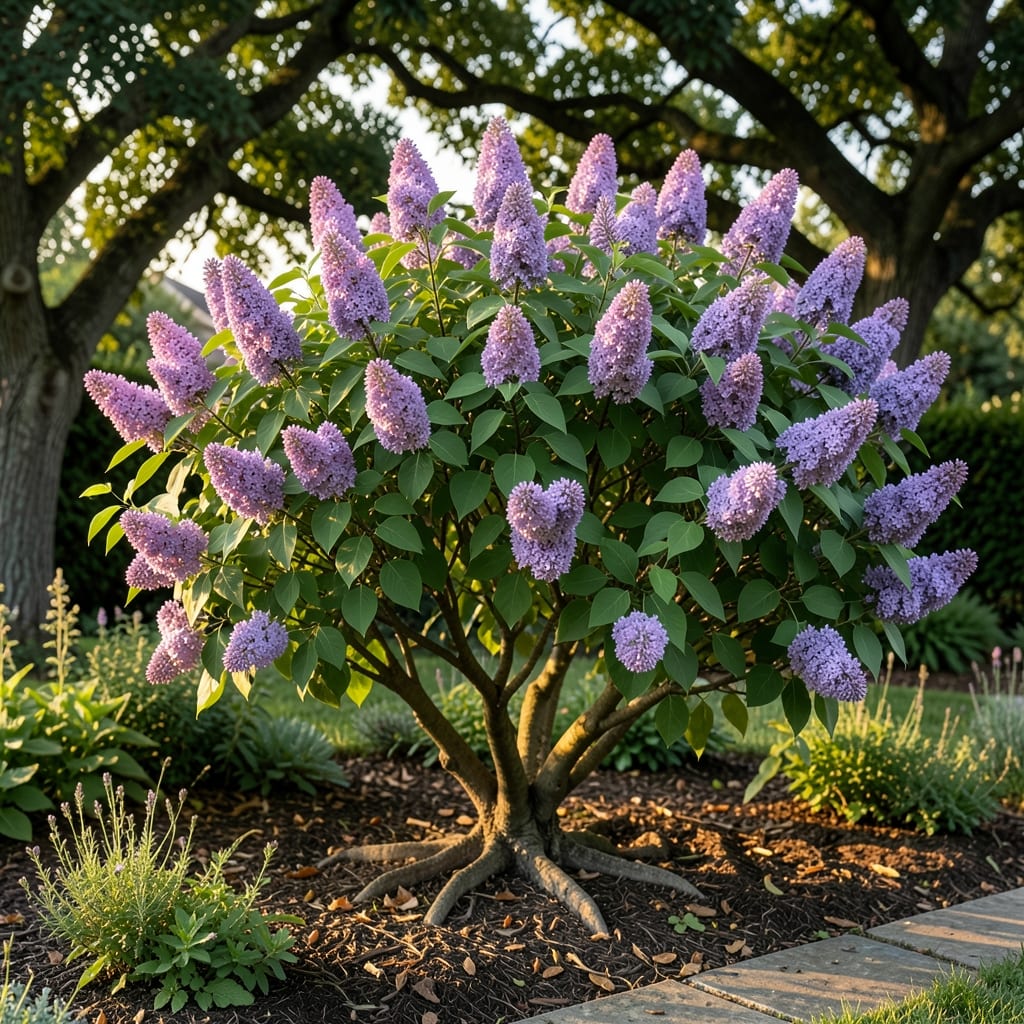
If you’ve ever wondered how tall can lilacs grow, the answer might surprise you—these fragrant shrubs can range from tiny 3-foot dwarfs to towering 16-foot giants that dominate your landscape. Whether you’re cramped in a small yard or designing a grand garden, choosing the right size is the key to happy blooms and easy maintenance.
Lilacs like Syringa vulgaris (the classic variety) typically reach 8–15 feet at maturity, while dwarf types like ‘Little Johnny’ stay under 5 feet. The difference isn’t just about space—it’s about how you prune, where you plant, and which variety you pick. Let’s break down the options so you can pick the perfect 🌸 for your garden.
For small spaces, compact lilacs like ‘Miss Kim’ (just 3–4 feet) are ideal, while standard varieties thrive in open areas. But here’s the catch: even tall lilacs can be tamed with the right pruning techniques. I’ll share how to keep them in check without sacrificing those iconic spring blooms.
Ready to transform your garden? You’ll learn which lilacs fit your space, how to encourage healthy growth, and the secrets to keeping them blooming year after year. Let’s get started!


Lilac height ranges: from dwarf to giant varieties explained
Lilacs aren’t one-size-fits-all—their mature height can vary dramatically depending on the variety. Understanding these ranges helps you choose the perfect plant for your space. Dwarf lilacs stay under 5 feet, while standard types reach 8–15 feet, and some giants even top 16 feet. Let’s explore the categories so you can pick with confidence.
First, consider your garden’s layout. A 3-foot dwarf lilac fits cozy patios, while a 12-foot giant needs room to shine in large yards. The difference comes down to genetics, pruning, and growing conditions. Even the same variety can grow taller in ideal conditions or stay compact with regular pruning.
Here’s how lilacs break down by size category, with real-world examples and care tips for each:
| Category | Height Range | Examples | Best For |
|---|---|---|---|
| Dwarf | 3–5 ft | 'Little Johnny', 'Miss Kim' | Containers, small gardens, patios |
| Compact | 5–8 ft | 'Bloomerang', 'Dwarf Korean' | Foundation plantings, borders |
| Standard | 8–15 ft | 'Syringa vulgaris', 'Katherine Havemeyer' | Large yards, privacy screens |
| Giant | 12–16 ft | 'Charles Joly', 'President Lincoln' | Specimen planting, focal points |
Dwarf lilacs like 'Miss Kim' are perfect for urban gardens or balcony planters. Their 3–4 foot height makes them ideal for small spaces, and they bloom just as prolifically as their taller cousins. Compact varieties, such as 'Bloomerang', offer a balance—reaching 5–8 feet while still fitting in tight spots with regular pruning.
Standard lilacs, like the classic Syringa vulgaris, are the workhorses of most gardens. They thrive in open areas, providing 8–15 feet of fragrant beauty. These varieties often become the centerpiece of spring landscapes, their clusters of blooms drawing bees and butterflies alike.
For dramatic impact, giant lilacs like 'President Lincoln' can reach 16 feet or more. These are best suited for large properties or as standalone specimens. Their towering presence makes them ideal for creating privacy screens or anchoring a garden’s focal point.
Remember, height isn’t set in stone. With proper pruning techniques, even a giant lilac can be kept in check. For example, cutting back one-third of the oldest stems annually encourages bushier growth and controls height. This is especially useful if you’re working with limited space or want to maintain a specific look.
Soil quality and sunlight also play a role. Lilacs planted in well-draining soil with full sun exposure tend to grow taller and more vigorously. If your garden has partial shade or poorer soil, expect slightly slower growth and potentially shorter mature heights.
Before planting, measure your space and visualize how tall your lilac will be at maturity. A 12-foot lilac planted too close to a house or driveway can become a maintenance headache. Always leave 3–5 feet of clearance around the base for airflow and easy pruning.
Now that you know the height ranges, you’re ready to pick the perfect lilac for your garden. Whether you’re dreaming of a tiny patio or a grand landscape, there’s a lilac variety that will fit—and thrive—just right.
Lilac height ranges: from dwarf to giant varieties explained
Lilacs aren’t one-size-fits-all—some stay small enough for a patio pot, while others become tree-like shrubs that need serious space. The Syringa vulgaris (common lilac) typically tops out at 8–15 feet, but dwarf varieties like ‘Little Johnny’ max out at just 3–4 feet. Understanding these ranges helps you avoid planting regrets and ensures your lilacs thrive where you put them.
Your garden’s size and style dictate which lilac suits you best. Dwarf lilacs (3–5 ft) work perfectly for small yards or container gardening, while standard varieties (8–15 ft) make bold statements in large landscapes. Even the tallest lilacs can be managed with the right pruning, so don’t let height scare you off—it’s all about planning ahead.
| Lilac Type | Mature Height | Best For | Notes |
|---|---|---|---|
| Dwarf Lilacs | 3–5 ft | Containers, small gardens, patios | Low-maintenance, blooms early |
| Compact Lilacs | 5–8 ft | Foundation plantings, medium yards | Balanced size, great for hedges |
| Standard Lilacs | 8–15 ft | Large landscapes, privacy screens | Classic fragrance, needs space |
| Giant Lilacs | 12–16 ft | Rural properties, statement plants | Slow-growing, dramatic blooms |
If you’re unsure which category fits your space, measure your yard and compare it to the mature height of each type. For example, ‘Miss Kim’ (a dwarf) fits snugly in a 3-foot-wide planter, while ‘President Lincoln’ (a standard) needs at least 10 feet of clearance. Pro tip: Always plant lilacs 3–5 feet apart to allow airflow and prevent disease.
Growth habits vary too—some lilacs grow upright like trees, while others spread wider. Varieties like ‘Bloomerang’ (a reblooming type) stay compact but may need annual pruning to control height. If you love the look of lilacs but lack space, consider espalier training—it lets you grow them flat against a fence or wall.
Climate plays a role too. In warmer zones (7–9), lilacs may grow taller and bushier, while in cooler zones (3–6), they might stay slightly shorter. Always check your USDA zone and local microclimate before planting to avoid surprises.
Now that you know the height ranges, the next step is picking the perfect variety for your garden’s vibe. Whether you want a fragrant cloud in a small corner or a privacy screen in your backyard, there’s a lilac that’s just right for you. Let’s explore the best picks for every space!