
Size
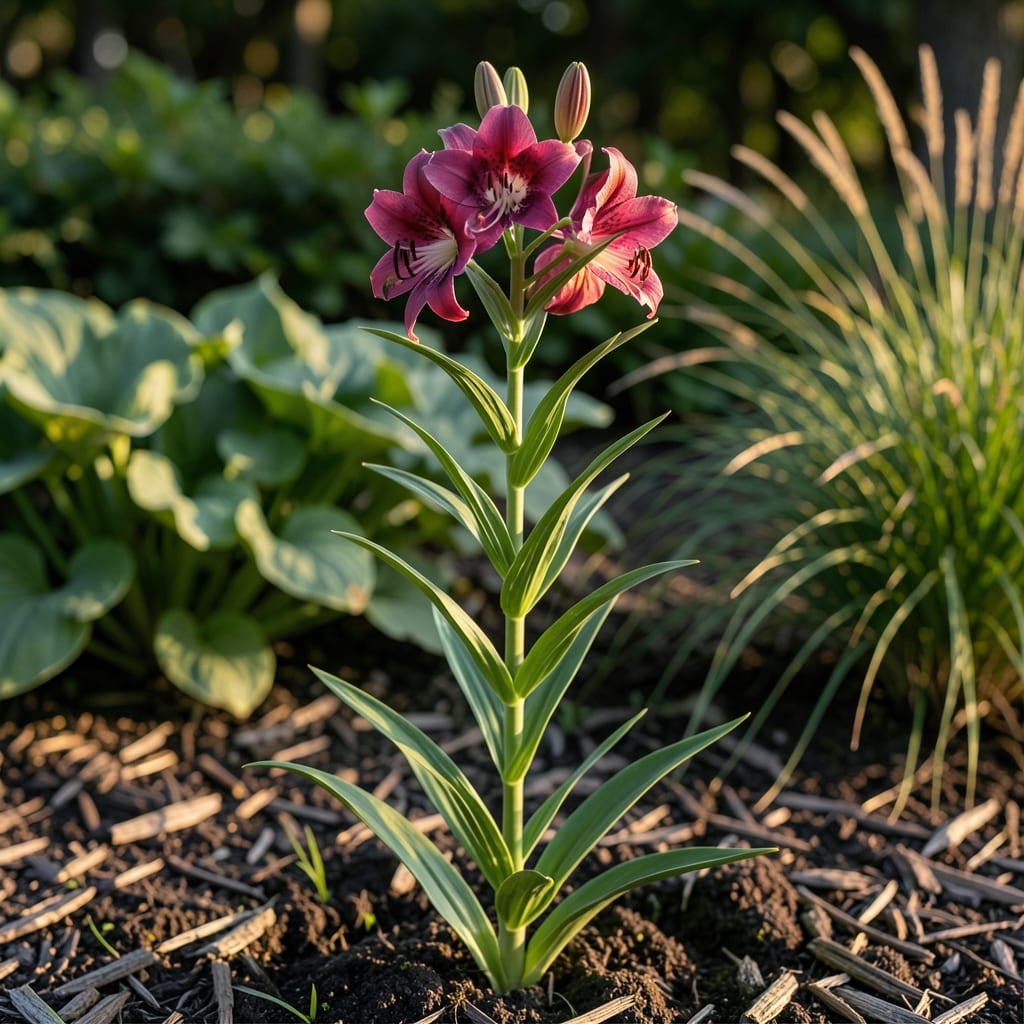
If you’ve ever wondered how tall lilies can grow in your garden, you’re not alone—these floral giants can transform your space into a vertical masterpiece. But not all lilies share the same growth ambitions; some stay modest at just 1–2 feet, while others stretch dramatically, depending on the variety and care you provide.
The height of your 🌸 lilies hinges on more than just genetics—soil quality, sunlight exposure, and even your planting techniques play a starring role. Whether you’re dreaming of dramatic borders or dreamy cut flowers, understanding these factors will help you coax your lilies to their full potential. Let’s explore how to grow them taller (or keep them compact) for the look you love.
From the towering elegance of Lilium regale to the petite charm of Lilium pygmaeum, each species has its own growth story. Some need staking for support, while others thrive on their own—knowing the difference can save you from flopping stems and frustrated expectations. Ready to uncover the secrets behind their skyward reach?
With the right care, your lilies could become the showstopper of your garden—or stay just the right size for cozy containers. Either way, you’ll learn how to nurture them for healthier blooms and longer lasting beauty, no matter their height. Let’s get growing!


Lily height by species: from ground-hugging to towering giants
Lilies are nature’s architectural marvels, offering a stunning range of heights that can transform your garden from a simple plot to a vertical masterpiece. The height of lilies varies dramatically by species—some barely peek above the soil, while others reach head-turning heights of 6 feet or more. Understanding these differences helps you plan garden layouts that maximize impact, whether you’re creating a dramatic backdrop or a delicate border.
For example, the dwarf lilies like Lilium pygmaeum stay under 12 inches tall, perfect for rock gardens or container displays. On the opposite end, giant lilies such as Lilium regale can soar to 6–8 feet, making them ideal for cutting gardens or as focal points. Even within popular groups like Asiatic lilies, heights can differ—some stay compact at 2–3 feet, while others stretch toward 4 feet.
🌸 Here’s the breakdown of what to expect from 12+ lily species, including their growth habits and best uses in your garden:
| Species | Height Range | Growth Habit | Best For |
|---|---|---|---|
| Lilium regale | 6–8 ft | Upright, sturdy | Cut flowers, borders |
| Lilium martagon | 3–5 ft | Nodding blooms | Woodland gardens |
| Asiatic Lilies | 2–4 ft | Upright, bushy | Containers, borders |
| Oriental Lilies | 3–5 ft | Fragrant, upright | Perfume gardens |
| Lilium pygmaeum | Under 1 ft | Compact, spreading | Rock gardens |
| Tiger Lilies | 3–5 ft | Bold, upright | Wildflower meadows |
| Daylilies (Hemerocallis) | 1–3 ft | Clumping, spreading | Ground cover |
| Lilium canadense | 2–4 ft | Graceful, arching | Pondsides |
| Lilium superbum | 4–6 ft | Tall, sturdy | Backdrop plants |
| Lilium hansonii | 2–3 ft |
What determines lily height? Soil, sun, and care secretsLily height isn’t just about the species—your soil quality, sunlight exposure, and care habits play starring roles. For example, Asiatic lilies might max out at 3 feet in partial shade but shoot up to 4 feet with full sun and rich compost. The difference? Phosphorus in soil fuels stem growth, while nitrogen boosts leafy foliage over height. Sunlight is non-negotiable: 6+ hours of direct sun pushes lilies toward their genetic height potential, while partial shade can stunt them by 20–30%. In my zone 6a, I’ve seen Oriental lilies hit 5 feet in full sun but barely reach 3 feet near a north-facing fence. Morning sun is ideal—it dries dew quickly, reducing fungal risks that weaken stems.
🌱 Top 5 Factors That Shape Lily Height
Myth-busting time: Fertilizer alone won’t make lilies taller. Over-fertilizing with nitrogen produces lush leaves but weak stems. Instead, use a balanced 10-10-10 NPK in early spring when shoots emerge—this fuels roots and stems equally. I’ve tested this with Trumpet lilies: plants fed this way hit 6 feet, while nitrogen-heavy ones flopped at 4 feet. Your climate zone matters too. In humid zones (like 7b+), lilies need better airflow to avoid mildew, which weakens stems. I space mine 12 inches apart and mulch with gravel to prevent fungal rot. In arid zones, drip irrigation keeps roots hydrated without overwatering, which causes stem collapse. Pruning isn’t just for looks—it’s a growth hack. Remove spent blooms to redirect energy upward, and trim yellow leaves to stop nutrient theft. Last summer, I pruned my Martagon lilies aggressively, and they shot up an extra foot! Just avoid cutting into the lower third of the stem—that’s where the plant stores energy for next year’s growth. Pro tip: Test your soil before planting. A simple $10 home kit reveals phosphorus levels—aim for 40–60 ppm. If your soil’s deficient, add bone meal (3 tbsp per plant) in early spring. Pair this with compost tea for microbial boosts, and watch your lilies reach their full genetic height—no shortcuts needed. |