
Trees
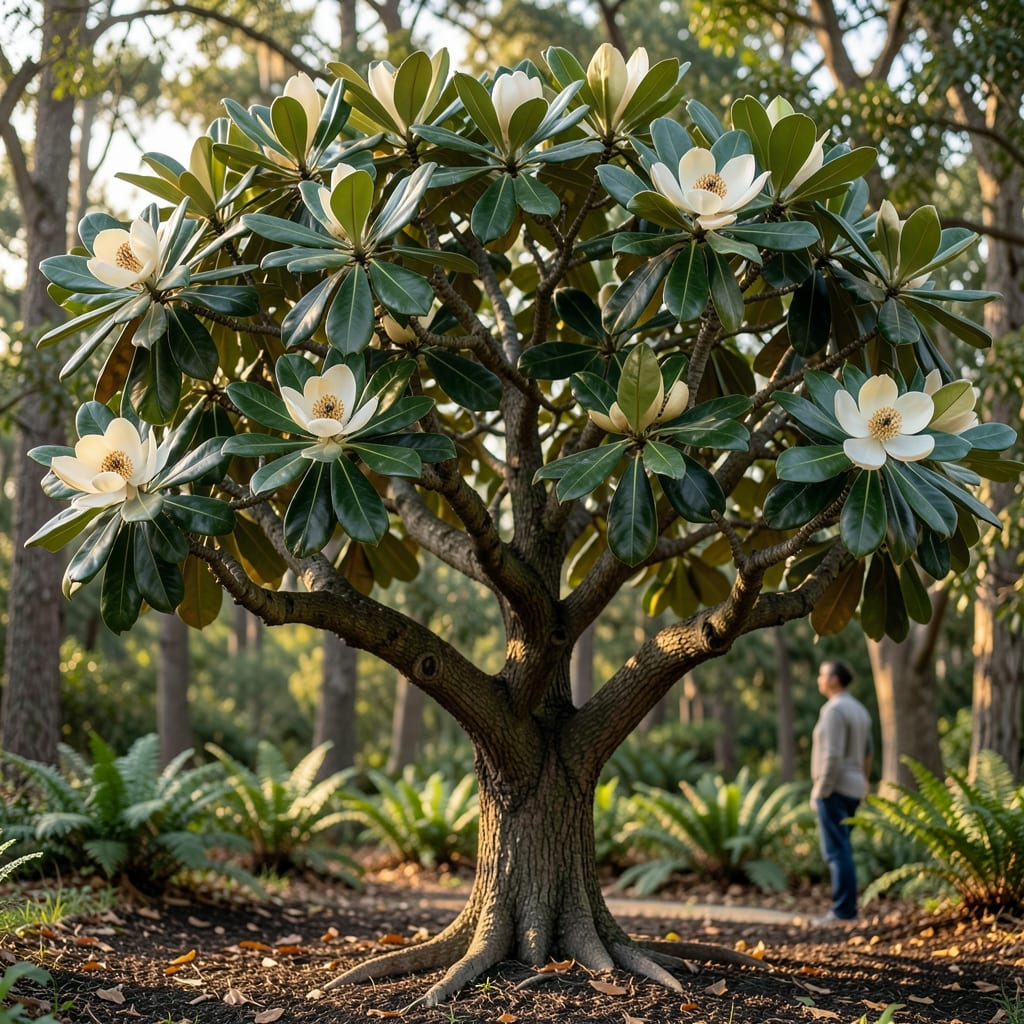
Magnolia tree height guide: fastest-growing species that reach 100 feet
Magnolias are nature’s skyscrapers, with some species stretching toward the sky like ancient sentinels. The Southern Magnolia (Magnolia grandiflora) leads the pack, often reaching 60-80 feet at maturity, while the Tulip Magnolia (Magnolia soulangeana) can hit 30-40 feet. But the real giants? Look no further than the Evergreen Magnolia (Magnolia grandis), which can soar past 100 feet under ideal conditions.
Growth rates vary wildly—some magnolias grow 1-2 feet per year in their youth, while others creep along at just 6 inches annually. The fastest growers, like the Saucer Magnolia (Magnolia × soulangeana), can add 3 feet per year when young, making them perfect for rapid shade solutions. But patience is key: it takes 10-20 years for most species to reach their full height potential.
Before planting, check your space. A 100-foot magnolia needs 50+ feet of clearance from structures, power lines, and neighboring trees. Even the medium-sized varieties (like Magnolia stellata) require 20-30 feet of room to thrive without crowding. Always measure twice—your future self will thank you!
🌳
| Variety | Mature Height | Growth Rate (Annual) | Best For |
|---|---|---|---|
| Southern Magnolia (Magnolia grandiflora) | 60-80 ft | 1-2 ft (young), 6 in (mature) | Large estates, privacy screens |
| Tulip Magnolia (Magnolia soulangeana) | 30-40 ft | 2-3 ft (young), 1 ft (mature) | Medium yards, ornamental focal points |
| Star Magnolia (Magnolia stellata) | 15-25 ft | 1-2 ft (consistent) | Small gardens, containers |
| Little Gem (Magnolia grandiflora 'Little Gem') | 20-25 ft | 1-1.5 ft (compact growth) | Urban yards, narrow spaces |
| Evergreen Magnolia (Magnolia grandis) | 80-120 ft | 2-3 ft (young), 1 ft (mature) | Forest settings, massive properties |
The Evergreen Magnolia is the undisputed champion of height, but don’t overlook the Saucer Magnolia for faster results. If you’re short on space, the Star Magnolia delivers stunning blooms without the skyscraper commitment. For urban gardens, the 'Little Gem' is a game-changer—it stays under 25 feet while still offering that iconic magnolia fragrance.
Soil type plays a huge role in growth. Magnolias thrive in acidic, well-draining soil with a pH of 5.0-6.5. Sandy loam is ideal, but they’ll adapt to clay if amended with organic matter. Poor soil? Amend with compost or peat moss before planting to give your tree the best start. A hungry magnolia in rich soil can grow 30% faster than one struggling in compacted earth.
Sunlight needs vary by species, but most magnolias crave morning sun and afternoon shade. Full sun can scorch leaves, while too much shade slows growth. The Southern Magnolia, for example, tolerates full shade in hot climates, while the Star Magnolia needs at least 4 hours of direct sun daily. Always match your variety to your microclimate for optimal height potential.
🌿
Pruning young magnolias encourages upward growth, but avoid heavy pruning once mature—it can stunt height gains. Focus on structural shaping in early years and minimal maintenance as they age. The fastest-growing varieties (like the Magnolia × soulangeana) benefit from annual pruning
How to choose a Magnolia tree based on height and growth speed
Selecting the right magnolia tree depends entirely on your space and vision. For small urban yards, the 'Little Gem' magnolia is a standout—it tops out at just 20-25 feet while delivering those iconic leathery, evergreen leaves and fragrant blooms. This dwarf variety grows at a steady 1-1.5 feet per year, making it perfect for narrow sidewalks or rooftop gardens where height is limited.
If you’re dreaming of a privacy screen, the Star Magnolia (Magnolia stellata) strikes the perfect balance. At 15-25 feet tall, it provides year-round interest with its star-shaped white flowers in early spring. Its consistent 1-2 feet annual growth means you’ll see noticeable height gains each year without the commitment of a 100-foot giant.
🌿
✔ Compact size fits urban spaces
✔ Fast growth in early years (1-1.5 ft/year)
✔ Fragrant blooms without skyscraper commitment
✖ Limited shade coverage
✖ Smaller canopy = less dramatic impact
✔ Perfect for privacy screens
✔ Balanced growth (2-3 ft/year when young)
✔ Stunning seasonal blooms
✖ Needs more space than dwarf varieties
✖ Slower growth after 10 years
✔ Unmatched shade coverage
✔ Dramatic landscape focal point
✔ Long lifespan (100+ years)
✖ Requires massive property (50+ ft clearance)
✖ Slow growth in maturity (6 in/year)
✖ Potential power line conflicts
For large estates, the Southern Magnolia (Magnolia grandiflora) is a classic choice, reaching 60-80 feet with its glossy, evergreen foliage. Its 1-2 feet annual growth in youth makes it a steady climber, though it slows to just 6 inches per year once mature. Pair it with the Evergreen Magnolia (Magnolia grandis) for a 100-foot shade masterpiece, but only if you have the space—its 2-3 feet annual growth when young is deceptive; it’ll need decades to reach its full height.
Sunlight and soil are non-negotiable when choosing your magnolia. Most varieties thrive in morning sun with afternoon shade, but the Southern Magnolia can handle full shade in hot climates. Test your soil’s pH—magnolias demand acidic conditions (5.0-6.5). If your yard is alkaline, amend with sulfur or peat moss before planting. A happy magnolia in the right conditions will grow 20-30% taller than one struggling in poor soil.
🪴
Pro tip: Plant your magnolia 10-15 feet away from structures to avoid root conflicts and give it room to spread its wide canopy. The 'Little Gem' is an exception—its compact form allows for 6-8 feet clearance. Always research your local frost dates too; magnolias planted too early can suffer winter damage. Aim for late fall to early spring planting in USDA Zones 5-9 for best results.