
Flowers
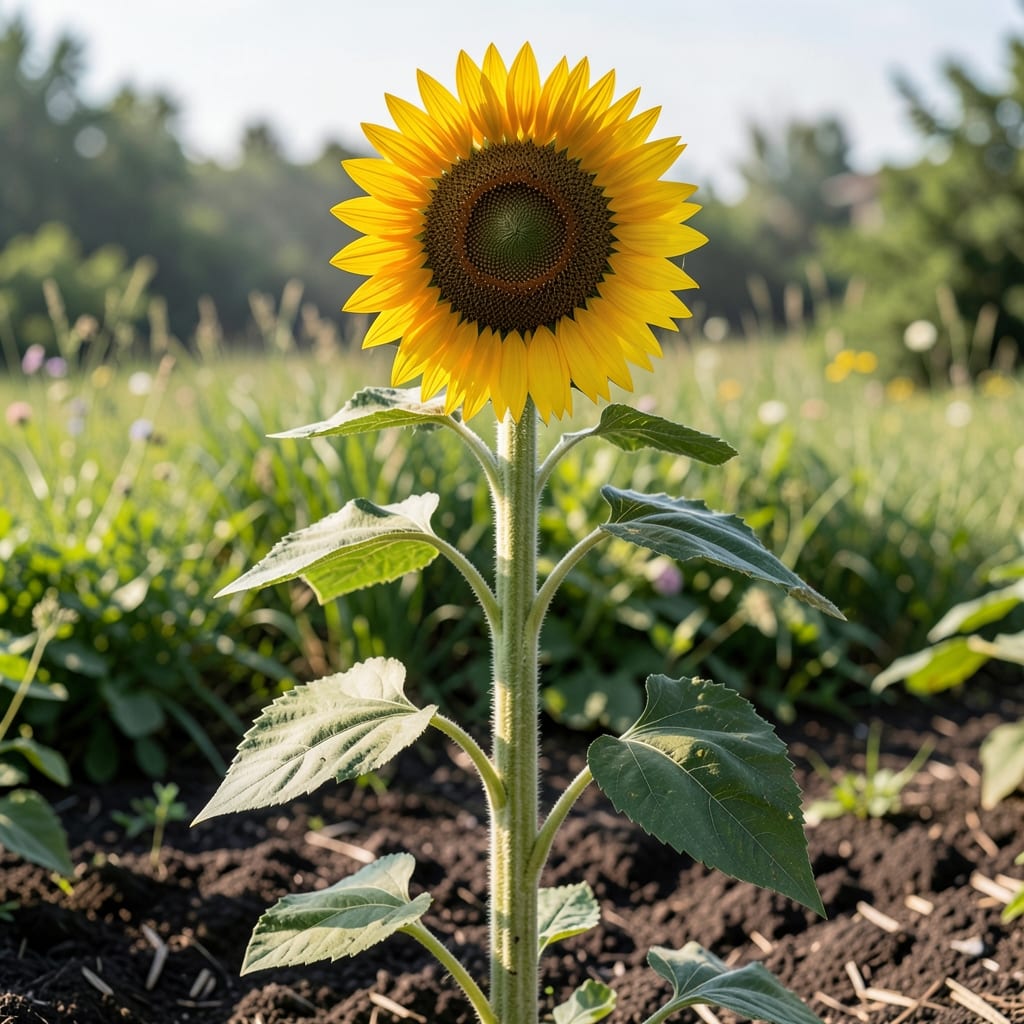
If you’ve ever wondered how tall these mammoth sunflowers can grow, towering over your backyard fence—or even your house—these giants might just be your answer. These sunflowers can reach heights that put most two-story homes to shame, but their growth isn’t just about luck. The right conditions turn these plants from impressive to mind-blowing, and knowing how to maximize their potential is the key to success.
For gardeners in USDA Zone 6a, planting these sunflowers in April or May sets the stage for their skyrocketing growth. With ideal care, they can stretch between 12 to 16 feet, but factors like soil quality, sunlight exposure, and proper support play a huge role. Whether you’re aiming for a backyard centerpiece or a world-record contender, understanding these variables is essential.
Curious about the tallest varieties or how to give your sunflowers the best shot at reaching their full height? I’ll break down everything you need to know, from the most impressive Mammoth Sunflower types to practical tips for supporting those towering stems. Let’s dive in and discover how to grow these sunflowers to their absolute maximum potential.
From comparing varieties to debunking myths about their height, this guide will help you set realistic expectations and achieve the most stunning sunflowers in your garden. Ready to watch your 🌻 Mammoth Sunflowers grow taller than ever before? Let’s get started!


Mammoth sunflower height by variety: from garden giants to record-breakers
If you’re planning to grow Mammoth sunflowers, brace yourself for some jaw-dropping numbers. These aren’t your average sunflowers—they’re the skyscrapers of the garden, capable of reaching heights that will make your neighbors do a double-take. But not all Mammoth varieties grow to the same height, and some can shatter expectations. Let’s dive into the numbers and what they mean for your garden.
The most famous Mammoth varieties—like the Russian Giant and Mammoth Russian—are legendary for their towering stature. While some gardeners swear their plants hit 16 feet, others see them max out around 12 feet. The difference? Genetics, care, and a little luck. For home gardeners, 10–14 feet is the sweet spot, but with ideal conditions, you might just break the 15-foot barrier.
Here’s where things get exciting: the world record for the tallest sunflower ever grown stands at a staggering 25 feet, set by a Mammoth variety in a controlled environment. While you won’t hit that in your backyard, understanding the potential helps set realistic (and ambitious) goals. Even 10 feet is enough to cast a shadow over your entire garden—literally.
Now, let’s talk about the most popular Mammoth varieties and their typical heights. Some are bred for height, while others prioritize flower size or disease resistance. Knowing the differences can help you pick the perfect variety for your space and goals.
🌻
| Variety | Average Height (ft) | Max Recorded Height (ft) | Best For |
|---|---|---|---|
| Russian Giant | 12–16 | 18+ (controlled) | Tallest home gardeners |
| Mammoth Russian | 10–14 | 15 (home) | Balanced height & bloom |
| American Giant | 10–13 | 14 (home) | Early bloomers |
| Giant Russian | 12–15 | 16+ (ideal) | Max height potential |
Heights vary by growing conditions—sunlight, soil, and care play huge roles!
The Russian Giant variety is often the star of the show, with some gardeners reporting plants that top 16 feet in ideal conditions. However, these giants need space, support, and consistent care to reach their full potential. If you’re working with limited space, the Mammoth Russian might be a better fit—it still hits 10–14 feet but is slightly more manageable.
For those chasing world-record heights, the Giant Russian variety is a favorite among competitive growers. These sunflowers are bred specifically for height and robustness, but they demand rich soil, full sun, and regular staking. If you’re new to growing Mammoth sunflowers, start with a Mammoth Russian—it’s forgiving yet impressive.
One common misconception is that all Mammoth sunflowers will reach 20 feet. While it’s possible in controlled environments (like greenhouses or agricultural fields), home gardeners typically see heights between 10–14 feet. The key to maximizing height lies in soil quality, watering consistency, and proper support. Even a 12-foot sunflower is a statement piece in any garden!
If you’re growing Mammoth sunflowers for cut flowers, aim for varieties like the American Giant, which blooms earlier and still reaches 10–13 feet. These are perfect for floral arrangements or selling at farmers' markets. Meanwhile, the Russian Giant is better suited for landscaping or creating a dramatic focal point in your yard.
🌿
5 Key factors that determine Mammoth sunflower height (and how to maximize it)
When it comes to growing Mammoth sunflowers to their full potential, genetics set the stage—but your care determines the final performance. These sunflowers can reach 12 to 16 feet, but only if you optimize these five critical factors. Let’s explore how each one influences their height and what you can do to give them the best shot at skyrocketing growth.
First, soil quality is non-negotiable. Mammoth sunflowers thrive in well-draining, nutrient-rich soil with a pH between 6.0 and 7.5. Amending your soil with compost or aged manure before planting ensures their roots have the energy to support towering stems. Without this foundation, even the hardiest varieties will struggle to reach their maximum height.
Next, sunlight exposure directly impacts their growth rate. These sun-lovers need at least 6 to 8 hours of direct sunlight daily. Plant them in the sunniest spot in your garden, and avoid shading from trees or structures. Even partial shade can stunt their growth, leaving you with sunflowers that are half the height they could be.
Watering plays a surprisingly critical role in height development. While Mammoth sunflowers are drought-tolerant once established, consistent moisture is key during their early growth stages. Water deeply 2 to 3 times per week, ensuring the soil stays evenly moist but not waterlogged. Wetting the leaves can lead to fungal diseases, which weaken the plant and reduce its ability to grow tall.
Proper spacing is another often-overlooked factor. These giants need 18 to 24 inches between plants to avoid crowding, which stunts growth. When roots compete for nutrients, each plant ends up shorter and weaker. If space is limited, consider growing them in containers with deep roots, but be prepared for slightly reduced height.
Finally, support structures are essential for preventing toppling, especially in windy areas. Install stakes or cages as soon as the stems reach 2 to 3 feet tall. Without support, the weight of the flower head can cause the stem to bend or snap, limiting the sunflower’s ability to reach its full height. For extra stability, tie the stems loosely with soft plant ties every few feet up the stalk.
By focusing on these five key factors, you’ll give your Mammoth sunflowers the best chance to grow to their maximum height. With the right care, you could be looking at sunflowers that outshine even the tallest trees in your neighborhood! 🌻