
Size
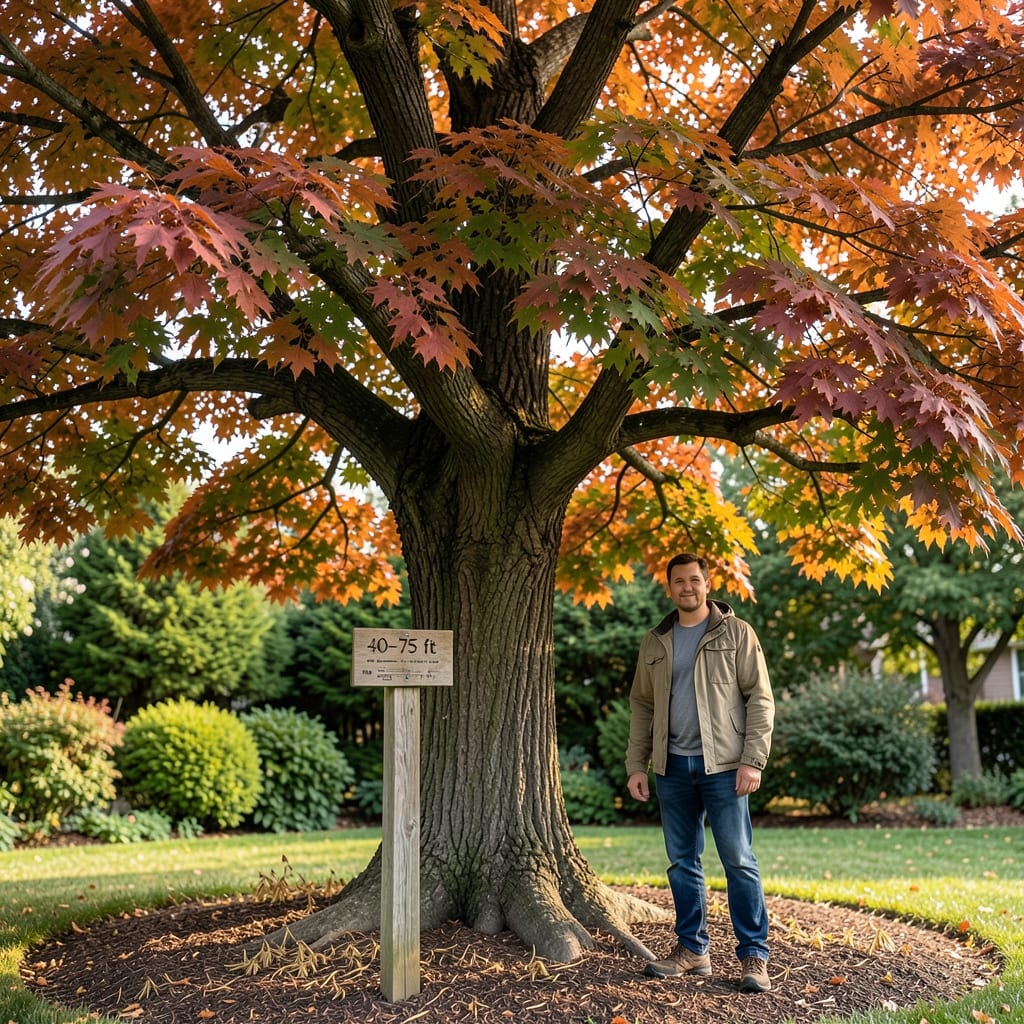
If you’ve ever wondered just how tall maple trees can grow, the answer might surprise you—some varieties reach heights of over 100 feet, towering like natural skyscrapers in your backyard! 🌳 Whether you're dreaming of a grand Sugar Maple or a compact Japanese Maple for your patio, understanding these giants' potential is key to planning your landscape.
The height of a maple tree depends on its species, growing conditions, and even your location. In USDA Zone 6a, where early springs and mild winters create ideal conditions, these trees can flourish to their fullest potential. But not all maples are created equal—some stay small enough for urban gardens, while others need acres of space to stretch their branches.
In this guide, I’ll break down the stunning height ranges of different maple species, from the towering Sugar Maple to the delicate Japanese Maple. You’ll also discover how factors like sunlight, soil, and pruning can influence their growth—so you can choose the perfect tree for your space and climate.
Ready to find out which maple will fit your yard—or whether you should let one grow wild? Let’s dive into the fascinating world of these sky-high trees and learn how to nurture them for maximum beauty.


Maple tree height by species: from dwarf varieties to towering giants
Maples are nature’s skyscrapers, with some species stretching toward the sky like architectural marvels. The Sugar Maple (Acer saccharum) often leads the pack, reaching heights of 75 to 120 feet under ideal conditions—taller than a 10-story building! 🌳 These giants thrive in open spaces with rich soil and plenty of sunlight, making them a staple in forests and large landscapes.
But not all maples are towering titans. The Japanese Maple (Acer palmatum), for example, stays compact, typically growing just 6 to 10 feet tall, perfect for small gardens or container planting. Their delicate foliage and vibrant autumn colors make them a favorite for ornamental landscapes.
Here’s the fascinating part: some maple varieties are bred specifically for height control. The 'Autumn Blaze Compact' variety, for instance, tops out around 15 to 25 feet, making it ideal for urban yards where space is limited. Meanwhile, the Red Maple (Acer rubrum) can grow 40 to 70 feet, striking a balance between grandeur and manageability.
Now, let’s dive into a detailed comparison of maple tree heights by species, so you can pick the perfect fit for your space.
| Species | Height Range | Growth Rate | Best For |
|---|---|---|---|
| Sugar Maple | 75–120 ft | 1–2 ft/year | Large estates, forests |
| Red Maple | 40–70 ft | 1–2 ft/year | Suburban yards, parks |
| Silver Maple | 50–80 ft | 2–3 ft/year | Fast-growing shade trees |
| Japanese Maple | 6–10 ft | 6 in–1 ft/year | Containers, bonsai, small gardens |
| Norway Maple | 50–70 ft | 1–2 ft/year | Shade trees, urban landscapes |
| Boxelder Maple | 30–50 ft | 1–2 ft/year | Wildlife-friendly yards |
| Autumn Blaze Compact | 15–25 ft | 1 ft/year | Small yards, urban planting |
| Vine Maple | 10–20 ft | 6 in–1 ft/year | Rock gardens, slopes |
| Paperbark Maple | 20–30 ft | 1 ft/year | Ornamental bark, small spaces |
If you’re planning your landscape, consider the mature height of the maple you choose. A Sugar Maple might be stunning, but it needs plenty of room to spread its roots and branches. On the other hand, a Japanese Maple or 'Autumn Blaze Compact' can add beauty without overwhelming your space.
For those in USDA Zones 3–8, most maples thrive, but their height potential varies. In cooler climates like Zone
How growth zones affect maple tree height: can you grow a 100-Foot giant?
Your location plays a huge role in how tall your maple tree will grow. While Sugar Maples in ideal conditions can reach 100+ feet, their growth potential varies dramatically across USDA hardiness zones. For example, in Zone 3, where winters are harsh, a Sugar Maple might only hit 70-80 feet due to slower growth cycles. Meanwhile, in Zone 6a or warmer, these giants can stretch their full height with proper care.
Even within the same species, microclimates—like a sheltered valley or a windy hilltop—can influence height. A Red Maple in Zone 7 might grow 50-60 feet, but in Zone 4, it could stay closer to 40 feet. Understanding these variations helps you set realistic expectations for your landscape.
Here’s how growth zones impact the most popular maple species, including their mature heights and ideal planting zones:
| Species | Mature Height (ft) | Ideal Zones | Notes |
|---|---|---|---|
| Sugar Maple | 70-120 | 3-8 | Slow grower; needs space |
| Red Maple | 40-60 | 3-9 | Adaptable; faster growth |
| Silver Maple | 50-80 | 3-9 | Fast-growing but weak wood |
| Japanese Maple | 6-25 | 5-8 | Compact; thrives in containers |
| Norway Maple | 40-70 | 4-7 | Aggressive roots; invasive |
If you’re in Zone 3 or 4 and dreaming of a 100-foot Sugar Maple, you’ll need patience—these trees grow only 1-2 feet per year in colder climates. But in Zone 6a or warmer, with well-draining soil and full sun, you can expect faster growth. For example, a Red Maple in Zone 7 might add 3 feet annually under ideal conditions.
Pruning plays a critical role in controlling height, especially for urban gardens. Techniques like crown thinning or selective limb removal can reduce a Sugar Maple’s height by 30-50% without harming its health. Just avoid topping, which stunts growth and weakens the tree. For dwarf varieties like Japanese Maples, regular pruning keeps them at 6-10 feet, perfect for patios or small yards.
Regional case studies show dramatic differences: In New England, where Sugar Maples dominate, their height is often limited by rocky soil and short growing seasons. Meanwhile, in California’s mild climate, Vine Maples grow 20-30 feet tall in just 10-15 years, thanks to year-round warmth. By choosing the right species for your zone and providing optimal care, you can nurture a maple that fits your space—and your dreams.