
Trees
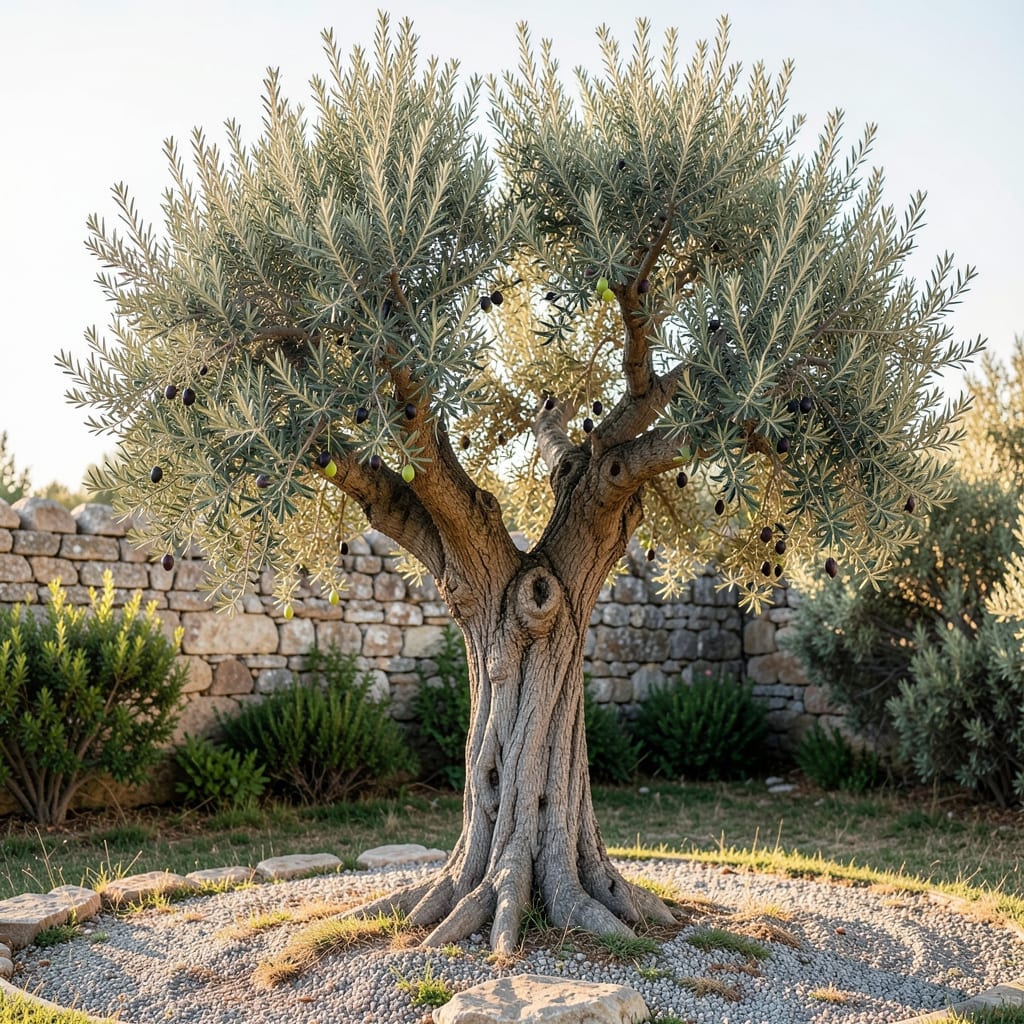
If you’ve ever wondered how tall can olive trees grow, you’re not alone. The truth is, olive trees can surprise you—some stay compact enough for a patio, while others reach heights that make skyscrapers look modest. Whether you’re a home gardener with limited space or a landscape designer planning a bold statement, understanding these height variations is the key to choosing the perfect variety for your needs.
Standard olive trees often grow between 20 and 50 feet, making them a stunning centerpiece for larger gardens or rural properties. But don’t dismiss the idea just yet—dwarf varieties can stay as short as 6 to 10 feet, perfect for containers or small urban yards. The difference comes down to the variety, rootstock, and how you prune the tree over time. With the right approach, even a towering olive tree can be managed to fit your space.
What’s most exciting? Olive trees aren’t just about height—they’re versatile. You can grow them for their edible olives, use them as ornamental focal points, or even train them into unique shapes like espalier. The possibilities are endless, whether you’re in USDA Zone 6a or a warmer climate. Let’s explore how to pick the right size and keep your olive tree thriving, no matter how tall (or short) you want it to be.
Ready to transform your outdoor space? Discover the best varieties for your needs, from low-maintenance dwarfs to majestic giants, and learn the simple pruning techniques that’ll keep your olive tree at the perfect height. Your backyard—or balcony—could soon be home to one of nature’s most rewarding trees.


Olive tree height variations: from dwarf to monumental giants
Olive trees are one of nature’s most adaptable plants, and their height variations are as diverse as the climates they thrive in. When you’re planning your garden, knowing these ranges can help you decide whether to plant a compact patio tree or a towering landscape centerpiece. The height of an olive tree depends on three key factors: its variety, the rootstock used for grafting, and how aggressively you prune it. Standard olive trees can reach 20 to 50 feet in ideal conditions, while some varieties, like the Arbequina, stay under 10 feet even when mature.
For home gardeners with limited space, dwarf olive trees are a game-changer. These varieties are often grafted onto dwarfing rootstock, which naturally restricts their growth. Even in full sun and well-draining soil, a dwarf olive tree will typically max out at 8 to 12 feet, making them perfect for containers, small yards, or even large pots on patios. On the other end of the spectrum, standard and giant olive trees can soar to 50 to 80 feet, especially in warm, Mediterranean climates where they’re given plenty of space to spread their roots.
Here’s the breakdown you’ve been waiting for—how tall olive trees can grow, depending on their category and growing conditions:
| Variety Type | Mature Height Range | Best For | Examples |
|---|---|---|---|
| Dwarf | 6–10 ft | Containers, patios, small yards | Arbequina, Little Ollie |
| Semi-Dwarf | 15–25 ft | Urban yards, medium gardens | Frantoio, Leccino |
| Standard | 25–40 ft | Large gardens, rural properties | Mission, Manzanillo |
| Giant | 50–80+ ft | Landscape focal points, parks | Wild olives (unspecified varieties) |
The rootstock plays a crucial role in determining how tall your olive tree will grow. Most commercial olive trees are grafted onto rootstock that controls their size. For example, Arbequina olives are often grafted onto dwarfing rootstock, ensuring they stay under 10 feet. In contrast, trees grafted onto standard rootstock, like those used for Mission olives, can easily reach 30 to 50 feet if left unpruned. Even if you buy a dwarf variety, the rootstock can influence how well it stays compact over time.
Another factor to consider is the growing environment. Olive trees thrive in USDA Zone 6a and warmer, where they can grow rapidly with plenty of sunlight and well-draining soil. In cooler climates, growth slows down, and trees may never reach their full potential height. For instance, a Manzanillo olive tree in California might grow to 40 feet, while the same variety in Zone 7 could max out at 25 feet due to slower growth rates. Always check your local climate conditions when planning your tree’s height.
If you’re dreaming of a towering olive tree but have limited space, don’t worry—you can still achieve that majestic look with strategic pruning. Even standard varieties can be kept at a manageable height with regular maintenance. The key is to prune in late winter or early spring, before new growth begins. This not only controls height but also encourages a fuller, bushier canopy, which is perfect for shade and fruit production. With the right approach, you can have your cake and eat it too: a tall, healthy olive tree that fits your space beautifully.
For those who love the idea of edible olives, height isn’t the only consideration. Dwarf varieties like Arbequina produce small, flavorful olives perfect for snacking, while taller varieties like Mission yield larger olives ideal for oil production. No matter which height you choose, you’ll be rewarded with fragrant flowers in spring and a bountiful harvest of olives in the fall. The best part? Olive trees are incredibly low-maintenance once established, making them a dream for both novice and experienced gardeners.
Ready to pick the perfect olive tree for your space? Whether you’re aiming for a compact patio tree or a stately garden giant, understanding these height variations will help you make the best choice. And remember, even the tallest olive trees can be shaped to fit your needs with a little pruning love. Let’s dive into how to keep your olive tree at the ideal height in the next section!
Olive tree height variations: from dwarf to monumental giants
Olive trees come in a stunning range of sizes, from dwarf varieties perfect for containers to towering giants that dominate landscapes. The key to choosing the right size lies in understanding how variety, rootstock, and growing conditions influence height. For example, the Arbequina olive tree stays compact at just 6 to 10 feet, while the Mission olive tree can soar to 50 feet or more when left unpruned. Even within the same species, rootstock plays a huge role—dwarfing rootstock can reduce a tree’s height by 50% or more compared to standard rootstock.
If you’re working with limited space, dwarf olive trees are your best bet. These varieties typically mature between 8 and 12 feet, making them ideal for patios, balconies, or small urban gardens. They’re also easier to manage for container growing, though you’ll need a large pot (at least 20-gallon capacity) to accommodate their root system. On the opposite end of the spectrum, standard and giant olive trees can reach heights of 20 to 80 feet, requiring ample space and regular pruning to keep them under control.
🌱 Olive Tree Height Guide
| Variety Type | Mature Height | Best For | Rootstock Note |
|---|---|---|---|
| Dwarf | 6–10 ft | Containers, patios | Dwarfing rootstock |
| Semi-Dwarf | 12–20 ft | Small yards, urban gardens | Semi-dwarf rootstock |
| Standard | 20–40 ft | Large gardens, rural properties | Standard rootstock |
| Giant | 50+ ft | Landscape features, parks | No dwarfing rootstock |
💡 Pro Tip: Always check the specific variety’s growth habits—some "dwarf" trees can outgrow their containers if not pruned regularly.
Climate also plays a surprising role in olive tree height. In warmer, Mediterranean climates, olive trees grow faster and taller due to longer growing seasons. However, in cooler climates like USDA Zone 6a, growth slows significantly, and trees may stay shorter unless given extra care. For instance, a Mission olive tree in California might reach 40 feet in 10 years, while the same tree in Zone 6a could take 15+ years to reach half that height. This is why choosing the right variety for your climate is just as important as picking the right size.
Don’t overlook the growth rate when planning your olive tree’s future height. Young olive trees grow slowly—typically 1 to 2 feet per year—but this pace can double in ideal conditions. By year three, you’ll start seeing more rapid growth, especially if you’re growing a standard or giant variety. This is why many gardeners opt for semi-dwarf varieties as a middle ground, offering a balance between manageable size and faster growth. For example, the Frantoio olive tree grows at a moderate pace, reaching 15 to 20 feet in 10 years, making it a great choice for medium-sized yards.
One of the most common mistakes I see is assuming that all olive trees grow the same way. In reality, even within the same variety, height can vary based on pruning habits, soil quality, and sunlight exposure. For example, a Manzanillo olive tree grown in full sun with regular pruning might stay under 20 feet, while the same tree neglected in partial shade could become leggy and reach 30 feet or more. The good news? With the right care, you can control your olive tree’s height—whether you want a compact patio tree or a tall, majestic specimen.
If you’re dreaming of a towering olive tree but worried about space, consider training it as an espalier. This technique involves pruning the tree flat against a wall or fence, keeping its height manageable while maximizing fruit production. Even giant varieties like the Arbequina can be trained to stay under 8 feet tall if pruned correctly. Plus, espaliered olive trees add a unique architectural element to any garden, making them a favorite among creative gardeners. Whether you choose a dwarf, semi-dwarf, or standard variety, the key is to start with the right expectations and adjust your care routine as your tree grows.