
How To
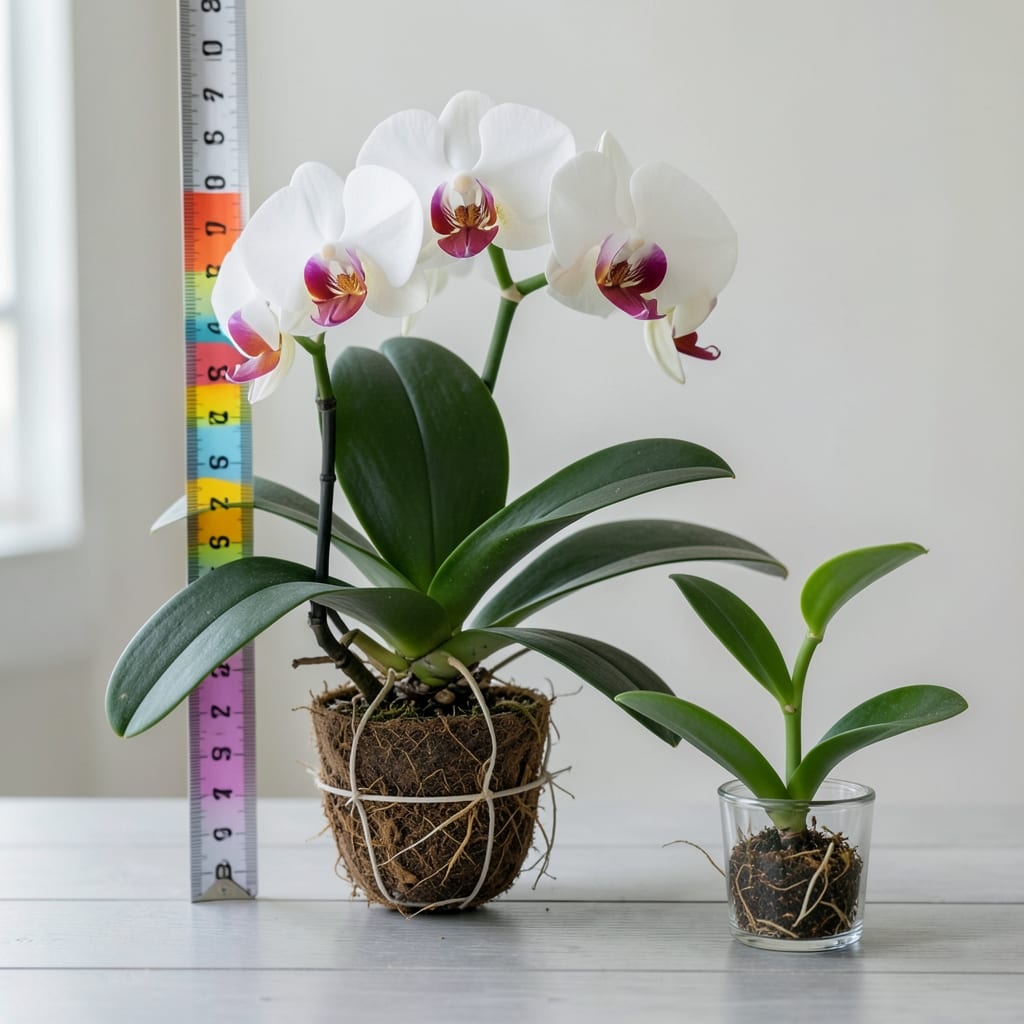
If you’ve ever wondered just how tall your orchids 🌸 can grow—or if they’ll outgrow your living room—you’re not alone. Some varieties stay compact and charming, while others stretch toward the ceiling like nature’s own skyscrapers. The answer isn’t one-size-fits-all, though, because orchid height depends on the species, care habits, and even where you live.
Take the Phalaenopsis, for example—the classic "moth orchid" that graces many homes. Most stay between 12 and 24 inches, perfect for shelves or countertops. But then there’s the Dendrobium, where some varieties can reach up to 6 feet with the right conditions. Even dwarf orchids like Jewel Orchids (Masdevallia) max out around 6 inches, proving size isn’t everything when it comes to beauty.
So whether you’re dreaming of a towering orchid collection or just want to keep your plants manageable, understanding the growth limits of your specific variety is the key. In this guide, I’ll break down the height ranges for popular orchids, the factors that influence their growth, and how to give them the best shot at reaching their full potential—without taking over your space.
Ready to discover which orchids will stay small and which might need a ladder? Let’s dive in.


Orchid height by variety: from tiny jewels to towering giants
Orchids aren’t just beautiful—they’re also wildly diverse in size, with some varieties staying small enough for a windowsill while others grow tall enough to need a ladder. If you’re choosing orchids based on your space, knowing the height ranges is essential. For example, the Phalaenopsis, or moth orchid, typically stays between 12 and 24 inches, making it perfect for apartments. Meanwhile, the Dendrobium can stretch up to 6 feet with ideal care, turning your home into a vertical garden.
The key to understanding orchid height lies in their natural growth habits. Epiphytic orchids, like many Cattleyas and Vandas, cling to trees and grow tall to reach sunlight. Terrestrial orchids, such as Paphiopedilums, stay closer to the ground. Even within a single genus, like Dendrobium, you’ll find dwarf varieties under 6 inches and giants reaching 72 inches or more.
Here’s a quick look at how some of the most popular orchids compare in height, so you can pick the perfect fit for your space:
If you’re eyeing a tall orchid like a Dendrobium or Cattleya, consider their growth habits. Epiphytic orchids, which grow on trees or rocks, often stretch upward to reach light, while terrestrial orchids stay closer to the ground. For example, a Cymbidium orchid can grow 3 to 5 feet tall and thrives in cooler climates, making it a great outdoor option in zones 7 and above.
Don’t overlook the dwarf orchids, either! Varieties like Masdevallia or Bulbophyllum stay under 6 inches but pack a punch with their intricate flowers. These are ideal for terrariums, small shelves, or even as part of a fairy garden. Their compact size makes them perfect for gardeners with limited space but a love for detail.
For those who dream of a towering orchid collection, the Grammatophyllum—nicknamed the "Queen of Orchids"—is the ultimate statement piece. With canes reaching up to 10 feet, it’s a rare and dramatic addition to any garden. However, it requires greenhouse conditions, including high humidity and warm temperatures, so it’s best left to serious orchid enthusiasts.
Even within a single species, height can vary wildly. For instance, some Dendrobium hybrids stay under 12 inches, while others grow 6 feet or more. The difference often comes down to care conditions, like light exposure, pot size, and fertilization. A Phalaenopsis in a cramped pot might stay small, while one with plenty of room and bright, indirect light can grow taller and bushier.
If you’re new to orchids, starting with a compact variety like a Phalaenopsis or Paphiopedilum is
What limits orchid height? Key factors that control growth
Orchid height isn’t set in stone—it’s shaped by a mix of genetics, environmental factors, and your care habits. Even the same species can vary in size depending on where you live or how you nurture them. For example, a Phalaenopsis might stay compact in a low-light apartment but stretch taller with bright, indirect light. Understanding these limits helps you optimize growth without overcrowding your space.
The first major factor is light exposure. Too little light leads to leggy growth and smaller blooms, while too much direct sun can scorch leaves and stunt overall development. Orchids thrive in bright indirect light, like an east-facing window or under grow lights. If your orchid stretches toward the light, it’s begging for more illumination—but never place it in harsh afternoon sun.
Pot size and root health play a surprising role too. Orchids in root-bound pots (where roots circle tightly) often grow slower because they’re stressed. Repotting into a slightly larger container with well-draining orchid mix (like bark and sphagnum moss) gives roots room to expand, encouraging taller, healthier growth. Conversely, overpotting can suffocate roots and limit height.
Watering habits also sneakily affect height. Overwatering causes root rot, which weakens the plant and stunts growth, while underwatering stresses orchids into dormancy. Aim for consistent moisture—water deeply until it drains freely, then let the mix dry slightly between waterings. In humid climates, you might water less often; in dry air, more frequent watering helps maintain vigor.
Nutrient deficiencies or improper fertilization can also cap your orchid’s height potential. Too little fertilizer leads to weak stems, while over-fertilizing burns roots and halts growth. Use a balanced orchid fertilizer (like 20-20-20) at half-strength every 2–4 weeks during active growth. In winter, when most orchids rest, skip fertilizing entirely to avoid stress.
🚨 Common Mistakes That Stunt Growth 🚨
- Non-breathable pots: Plastic containers trap moisture, causing rot and stunted growth.
- Direct sunlight: Scorches leaves and weakens stems, limiting height.
- Hard water: Mineral buildup blocks roots from absorbing nutrients.
- Skipping repotting: Roots need space to grow—repot every 1–2 years.
Even with perfect care, some orchids simply grow slower due to their species traits. For instance, Jewel Orchids (Masdevallia) are naturally petite, while Grammatophyllum orchids are genetic giants. If you’re growing a tall variety like Dendrobium, consider training vines along a trellis or moss pole to guide their growth upward without sprawling. With the right balance of light, water, and nutrients, you’ll unlock your orchid’s full height potential—whether that’s a compact 6 inches or a dramatic 10 feet!