
Size
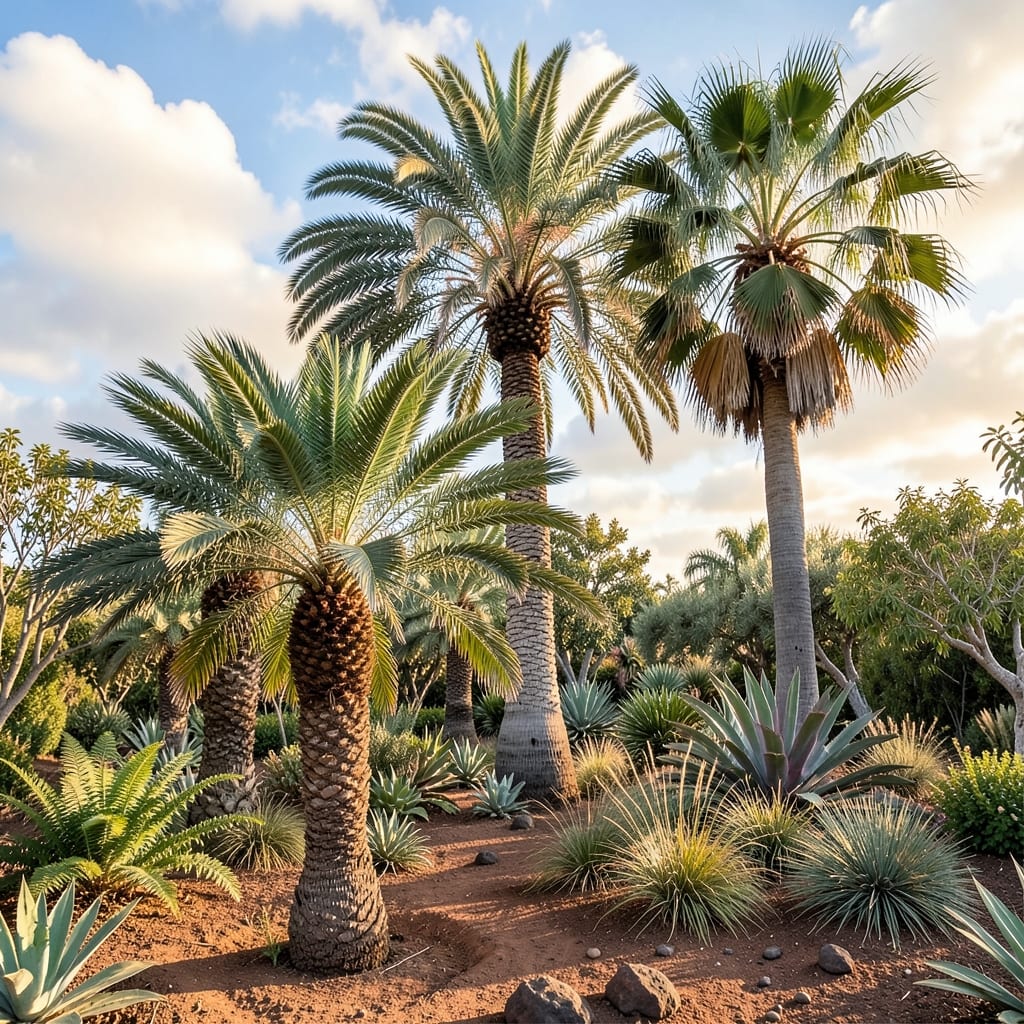
If you’ve ever gazed up at a palm tree and wondered just how tall these tropical giants can grow, the answer might surprise you. Some species stretch toward the sky like natural skyscrapers, while others remain humble backyard companions. The difference? It all comes down to the species, climate, and a little bit of care—because even the tallest palms need the right conditions to reach their full potential.
Picture this: a 🌴 towering over your home, its fronds swaying in the breeze like a living monument. While most palms stay in the 10-50 foot range, certain varieties—like the towering coconut or royal palm—can reach heights of 100 feet or more. But here’s the catch: not all palms are created equal, and their growth depends on where you live, how you nurture them, and even the soil beneath their roots.
Whether you’re dreaming of a backyard jungle or just curious about the science behind these sky-high plants, this guide will break down everything you need to know. From the fastest-growing species to the factors that limit their height, we’ll explore how to help your palm reach its maximum potential—or keep it small if space is tight.
Ready to discover which palms can outshine your house and how to give them the best shot at growing tall? Let’s dive in and uncover the secrets behind these magnificent giants of the plant world.

The tallest palm tree species: from ground to sky
When it comes to palm trees, size isn’t just a matter of preference—it’s a question of species genetics and natural habitat. Some palms stay compact, perfect for patios, while others grow tall enough to block city skylines. The tallest palm species can reach heights of 100 feet or more, making them architectural wonders in tropical landscapes.
Take the coconut palm (Cocos nucifera), for example—a true giant that thrives in coastal regions. In its native environment, it can grow up to 100 feet tall, with a trunk diameter of nearly 2 feet. But here’s the twist: its growth rate depends entirely on climate and soil quality. Without ideal conditions, even this towering species might max out at 60 feet.
The royal palm (Roystonea regia) is another sky-scraper, often found in Florida and the Caribbean. Known for its sleek, columnar trunk, it can reach heights of 60-100 feet in perfect conditions. Meanwhile, the California fan palm (Washingtonia filifera) grows more slowly but still hits 60-80 feet, with striking, feathery fronds that sway dramatically in the wind.
Not all palms are built for height, though. The pygmy date palm (Phoenix roebelenii) stays a modest 6-12 feet tall, making it ideal for containers and small yards. Even the Canary Island date palm (Phoenix canariensis), often called a "semi-dwarf," tops out at 15-25 feet—a far cry from its towering cousins.
Why the difference? It boils down to genetic growth potential. Some palms are hardwired to grow tall and fast, while others prioritize bushiness or compactness. Even within a species, factors like sunlight exposure, water availability, and soil nutrients can push a palm toward its maximum height—or keep it stunted.
🌴
| Palm Species | Max Height | Natural Habitat | Growth Rate |
|---|---|---|---|
| Coconut Palm (Cocos nucifera) | 100 ft | Tropical coastlines | Fast (3-5 ft/year) |
| Royal Palm (Roystonea regia) | 60-100 ft | Florida, Caribbean | Moderate (2-4 ft/year) |
| California Fan Palm (Washingtonia filifera) | 60-80 ft | Southwestern U.S., Mexico | Slow (1-2 ft/year) |
| Pygmy Date Palm (Phoenix roebelenii) | 6-12 ft | Southeast Asia | Slow (1 ft/year) |
| Canary Island Date Palm (Phoenix canariensis) | 15-25 ft | Canary Islands | Moderate (2 ft/year) |
If you’re dreaming of a palm tree taller than your house, focus on species like the coconut or royal palm. But here’s a reality check: even these giants need ideal growing conditions to reach their full potential. In less-than-perfect climates, their growth can slow dramatically—or stop entirely.
For example, the Mexican fan palm (Washingtonia robusta) can grow 80 feet tall in its native desert environment, but in cooler climates like USDA Zone 9, it might only reach 40-50 feet. The same goes for the Mediterranean fan palm (Chamaerops humilis), which stays under 10 feet unless given perfect care and warmth.
So, which palm should you choose if you want height without sacrificing your yard space? The answer depends on your climate zone and available sunlight. In the next section, we’ll dive into the factors that can make—or break—a palm’s growth potential, from soil quality to pruning habits.
🌳
Factors that limit palm tree height: climate, soil, and care
You might assume that palm trees grow infinitely tall, but their height is actually governed by a mix of genetics, environmental factors, and your care routine. While some species like the coconut palm can reach 100+ feet in ideal conditions, others like the pygmy date palm max out at just 6 feet. The difference? It’s not just about the species—it’s about where you plant them and how you nurture them.
One of the biggest factors is climate. Palms thrive in USDA Zones 9-11, where temperatures stay warm year-round. In cooler climates, even fast-growing species like the California fan palm will struggle to reach their full height. For example, a royal palm in Florida might tower at 60 feet, while the same palm in Arizona could only reach 30 feet due to heat stress and water limitations.
Soil quality plays a huge role too. Palms despise soggy roots, so well-draining soil is a must. If your yard has heavy clay, amend it with sand or compost to improve aeration. I once tried growing a Mediterranean fan palm in my backyard’s compacted soil, and it barely grew past 10 feet in five years—until I transplanted it into a raised bed with amended soil. Within two years, it shot up to 15 feet!
Your watering habits also impact height. While palms are drought-tolerant once established, young trees need consistent moisture to develop strong trunks. I learned this the hard way when my Canary Island date palm grew lopsided because I watered it unevenly. Now, I use a drip irrigation system to ensure even hydration, which helps the tree grow straight and tall.
Don’t forget about fertilizer. Palms need balanced nutrients, especially potassium and magnesium, to support rapid growth. I use a slow-release palm fertilizer in spring and fall, and my California fan palm has grown 3 feet taller each year since I started this routine. But here’s the catch: over-fertilizing can burn roots and stunt growth, so always follow the package instructions.
Finally, pruning can influence height—if done correctly. Removing dead or yellow fronds improves airflow and lets the tree focus energy on new growth. However, over-pruning can weaken the trunk and limit how tall the palm can grow. For example, if you trim too many fronds at once, your Mexican fan palm might never reach its 25-foot potential. Always remove no more than 1/3 of the fronds in a single pruning session.