
How To
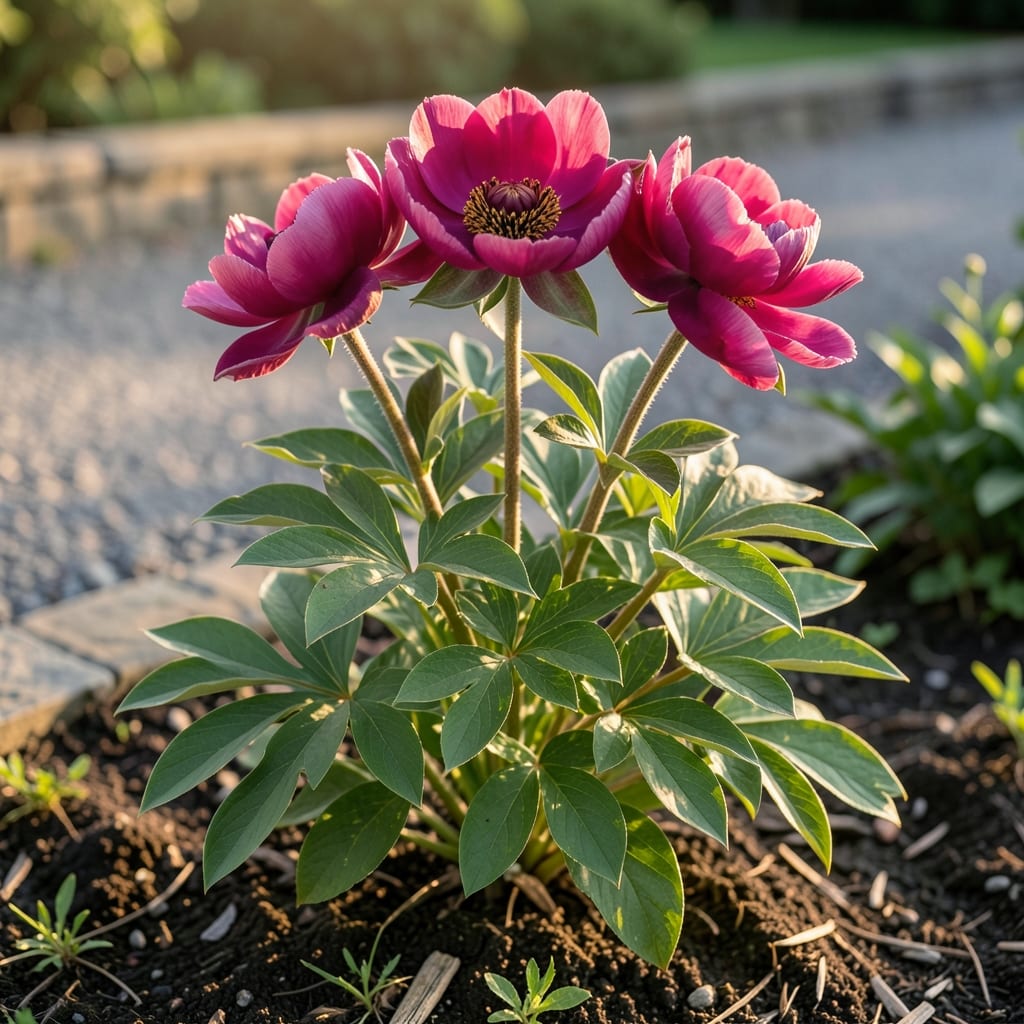
If you’ve ever wondered how tall can peonies grow in your garden, the answer might surprise you—these 🌸 showstopper blooms can range from compact shrubs to towering floral giants, depending on the variety. Whether you’re dreaming of a lush border or a dramatic centerpiece, peonies adapt beautifully to different spaces, making them a favorite for gardeners in USDA Zone 6a and beyond.
The key to their height lies in their type: herbaceous peonies typically reach 2 to 4 feet, while tree peonies can stretch up to 5 feet or more. But here’s the catch—proper planting, pruning, and care can either maximize their height or keep them more manageable. If you’ve ever struggled with flopping stems or uneven growth, you’re not alone, and the solution might be simpler than you think.
In this guide, I’ll break down the height ranges by variety, share the most common misconceptions about peony growth, and give you actionable tips to encourage the perfect size for your garden. Whether you’re working with a small urban plot or a sprawling backyard, you’ll learn how to nurture peonies that thrive—and look stunning—year after year.
Ready to transform your garden with these easy-to-grow beauties? Let’s dive into the secrets of peony height, so you can plant with confidence and watch them flourish just as you imagined.


Peony height ranges by variety: from dwarf to giant blooms
Peonies are one of the most versatile garden plants, offering heights that can transform your landscape from a delicate cottage garden to a bold statement piece. The three main types—herbaceous, tree, and intersectional—each bring their own height characteristics, so choosing the right variety depends on your space and vision. Let’s explore the typical height ranges and standout varieties that will steal the show in your garden.
Herbaceous peonies, the most common type, generally reach 2 to 4 feet at maturity, making them ideal for borders, cottage gardens, or as cut flowers. Their woody stems die back in winter, only to regrow from the roots each spring. On the other hand, tree peonies are the tallest of the bunch, often soaring to 5 feet or more with their semi-evergreen foliage and stunning blooms. Intersectional peonies, a hybrid of the two, blend the best of both worlds with heights ranging from 3 to 5 feet.
If you’re short on space, dwarf varieties like 'Little Red' or 'Bowl of Beauty' top out around 1.5 to 2 feet, perfect for containers or small gardens. For a dramatic focal point, reach for 'Sarah Bernhardt' or 'Kansas', which can exceed 4 feet with proper care. The key is understanding how each variety grows so you can plan your garden layout with confidence.
| Peony Type | Height Range | Standout Varieties | Best For |
|---|---|---|---|
| Herbaceous | 2–4 feet | 'Bowl of Beauty', 'Sarah Bernhardt' | Borders, cut flowers |
| Tree | 3–5+ feet | 'Kansas', 'Duchesse de Nemours' | Specimen plants, privacy screens |
| Intersectional | 3–5 feet | 'Coral Charm', 'Moonlight' | Mixed borders, containers |
| Dwarf | 1–2 feet | 'Little Red', 'Café au Lait' | Rock gardens, containers |
One common misconception is that all peonies grow to the same height, but as you can see, the variety makes all the difference. For example, 'Sarah Bernhardt', a herbaceous peony, can easily reach 4 feet with its bold pink blooms, while 'Little Red' stays compact at just 1.5 feet. If you’re unsure which to choose, consider your garden’s sunlight exposure and available space—most peonies thrive in full sun and well-draining soil.
For those with limited vertical space, dwarf peonies are a game-changer. They’re perfect for rock gardens, window boxes, or small containers, yet still deliver the fragrant blooms and lush foliage that make peonies so beloved. On the flip side, if you’re aiming for a dramatic backdrop or privacy screen, tree peonies like 'Kansas' will soar above your expectations, often exceeding 5 feet in ideal conditions.
Another factor to consider is how peonies fill out over time. While their height is a key selling point, their spread can be just as important. Herbaceous peonies, for instance, can spread 3 to 4 feet wide, while tree peonies may stay more contained. This means planning for both height and width when selecting varieties and placing them in your garden layout.
If you’re still unsure which peony to pick, start with a mix of heights to create visual interest. Pair a tall tree peony like 'Duchesse de Nemours' with a compact dwarf like 'Café au Lait' for a layered, dynamic look. This approach not only maximizes your garden’s potential but also ensures your peonies complement each other beautifully as they grow.
Remember, the height of your peonies isn’t set in stone—it can be influenced by factors like pruning, sunlight, and soil quality. In the next section, we’ll dive into how you can control or maximize their height based on your garden’s unique conditions. Whether you want them taller, shorter, or just right, the power is in your hands!
Peony height ranges by variety: from dwarf to giant blooms
Peonies aren’t one-size-fits-all—some varieties stay compact while others reach garden towering heights. The two main types, herbaceous and tree peonies, offer dramatic differences in mature size. Herbaceous peonies, the most common type, typically grow 2 to 4 feet tall, while tree peonies can stretch 4 to 5 feet or even taller with ideal conditions. If you’re short on space, dwarf varieties like 'Little Red' peonies stay under 2 feet, perfect for containers or small gardens.
But here’s where it gets interesting: even within these categories, individual varieties can vary. For example, the classic 'Sarah Bernhardt' peony reaches 4 to 5 feet with its giant blooms, while 'Bowl of Beauty' stays around 3 feet but produces double-layered flowers that steal the show. If you love fragrant peonies, varieties like 'Duchesse de Nemours' hit 3 to 4 feet and fill the air with intoxicating scent.
| Variety Type | Height Range | Best For |
|---|---|---|
| Dwarf Herbaceous | 1–2 feet | Containers, borders |
| Standard Herbaceous | 3–4 feet | Cut flowers, cottage gardens |
| Tree Peonies | 4–5+ feet | Specimen plants, tall borders |
| Intersectional (Hybrid) | 2.5–4 feet | Versatile garden use |
🌸 Pro Tip: Always check the specific variety’s tag—height can vary by 1 foot or more!
If you’re planning a peony garden, consider the mature height of each variety to avoid overcrowding. For example, planting 'Coral Charm' (3 feet) alongside 'Shirley Temple' (2.5 feet) creates a layered, textured display. And if you love cut flowers, taller varieties like 'Bartzella' (4 feet) provide longer stems for arrangements. Just remember: while height is important, bloom size and color matter just as much!
One common misconception is that all peonies need full sun to reach their maximum height—but while sunlight is crucial, overcrowding or poor soil can stunt growth. For instance, 'Felicity' peonies (3 feet) may only reach 2 feet if planted in shady spots. To ensure your peonies grow to their full potential, focus on well-draining soil and 6+ hours of sunlight daily.
For urban gardeners with limited space, consider dwarf varieties like 'Tiny Ruby' (1.5 feet) or 'Café au Lait' (2 feet). These still produce stunning blooms but fit perfectly in window boxes or small pots. And if you’re unsure about height, start with a single plant—peonies are slow to establish but reward patience with decades of blooms.
Ready to pick the perfect peony for your space? The key is balancing height, bloom size, and your garden’s layout. Whether you’re dreaming of a romantic cottage garden or a modern minimalist border, there’s a peony variety that’ll fit—and thrive—just right. 🌿